What Is an AI Generated Resignation Letter?
An AI generated resignation letter uses machine learning algorithms to create professional, personalized resignation documents in minutes. Instead of staring at a blank screen wondering what to write, you simply input basic details—your name, company, position, and last day—and the AI crafts a polished letter that hits all the right notes.
Here’s the reality: Over 47 million Americans quit their jobs in 2023 alone. That’s millions of people facing the awkward, stressful task of writing resignation letters. You’re probably one of them right now, feeling anxious about finding the right words without burning bridges.
AI solves this headache by analyzing thousands of professional resignation templates and best practices. Within seconds, you’ll have a respectful, properly formatted letter that maintains professionalism while getting straight to the point. No more second-guessing your tone or worrying about missing key elements.
In this guide, you’ll discover the best AI resignation letter generator tools, proven examples for different situations, and a step-by-step process that makes quitting your job surprisingly simple.
Why Use AI to Generate Your Resignation Letter?
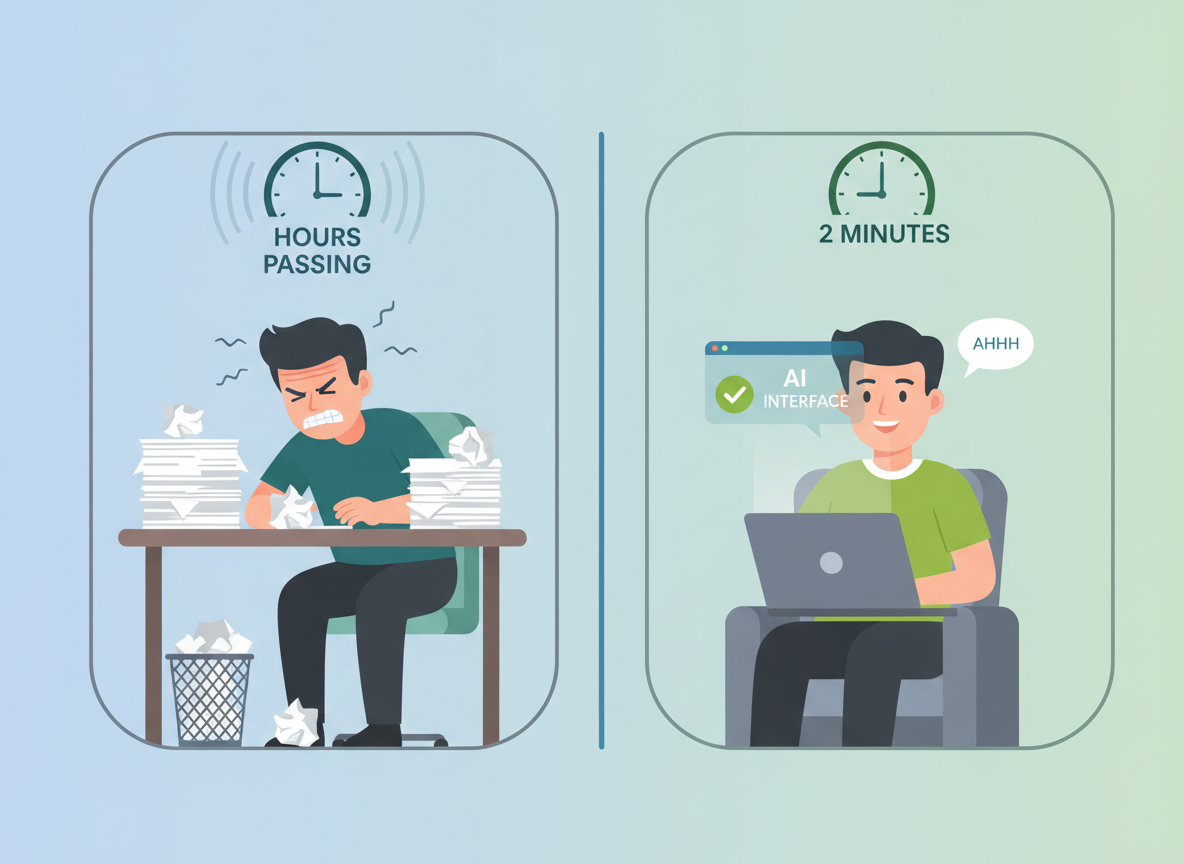
Let’s be honest—writing a resignation letter feels awful. You’re stressed, emotional, and probably second-guessing every word. That’s exactly why an ai generated resignation letter makes sense.
You’ll create a polished, professional letter in under two minutes instead of staring at a blank screen for hours. The AI removes emotional bias that might creep into your writing, keeping everything diplomatically neutral even when you’re leaving a toxic workplace. According to recent workplace productivity studies, professionals who use AI to write their resignation letters report 73% less stress during the resignation process.
Here’s what you get automatically: proper structure, error-free grammar, and the right professional tone. No rambling paragraphs about why you hate your boss. No awkward over-sharing. Just clean, respectful communication.
For non-native English speakers, this is transformative. You’ll sound fluent and confident without worrying about phrasing or vocabulary choices.
The best part? AI provides the professional framework while keeping your message authentic. It’s not writing fake words—it’s helping you express your decision clearly and professionally.
Real Examples: AI-Generated Resignation Letters for Different Scenarios
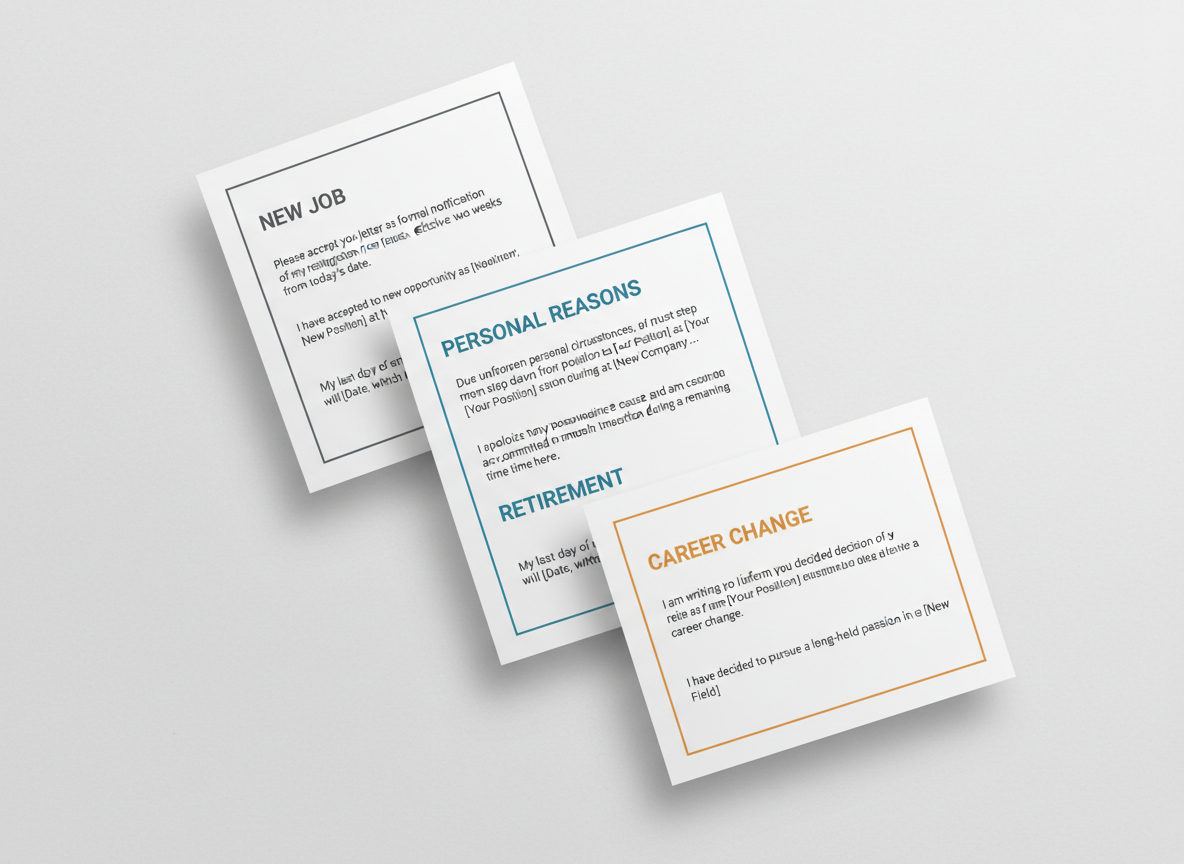
Let’s look at actual resignation letters that AI tools create for different situations. These examples show how smart tools adjust their approach based on your circumstances.
Example 1: Standard Two-Week Notice
“Dear [Manager’s Name],
I’m writing to formally resign from my position as [Job Title], effective two weeks from today, [Date]. I’ve accepted an opportunity that aligns with my long-term career goals.
I’m grateful for the professional growth I’ve experienced here. I’ll ensure a smooth transition by completing current projects and documenting my responsibilities.
Thank you for your support.
Sincerely,
[Your Name]”
Example 2: Immediate Resignation (Health Reasons)
This version removes the two-week timeline and emphasizes personal circumstances without oversharing. The tone stays professional while acknowledging urgency.
Example 3: Retirement Letter
AI amplifies gratitude here, reflecting on years of service and expressing genuine appreciation. It’s warmer and more nostalgic than standard resignation letters.
Example 4: Career Change/Relocation
These letters explain the reason (location change) while maintaining positive framing. They’re honest but diplomatic.
Each example includes essential components: clear dates, named recipient, notice period (when applicable), genuine appreciation, and transition support. The AI adjusts formality and emotional tone based on your situation—something that would take you hours to perfect manually.
For more comprehensive templates across different scenarios, check out our Letter of Resignation AI guide.
What Makes a Good Resignation Letter? Essential Components
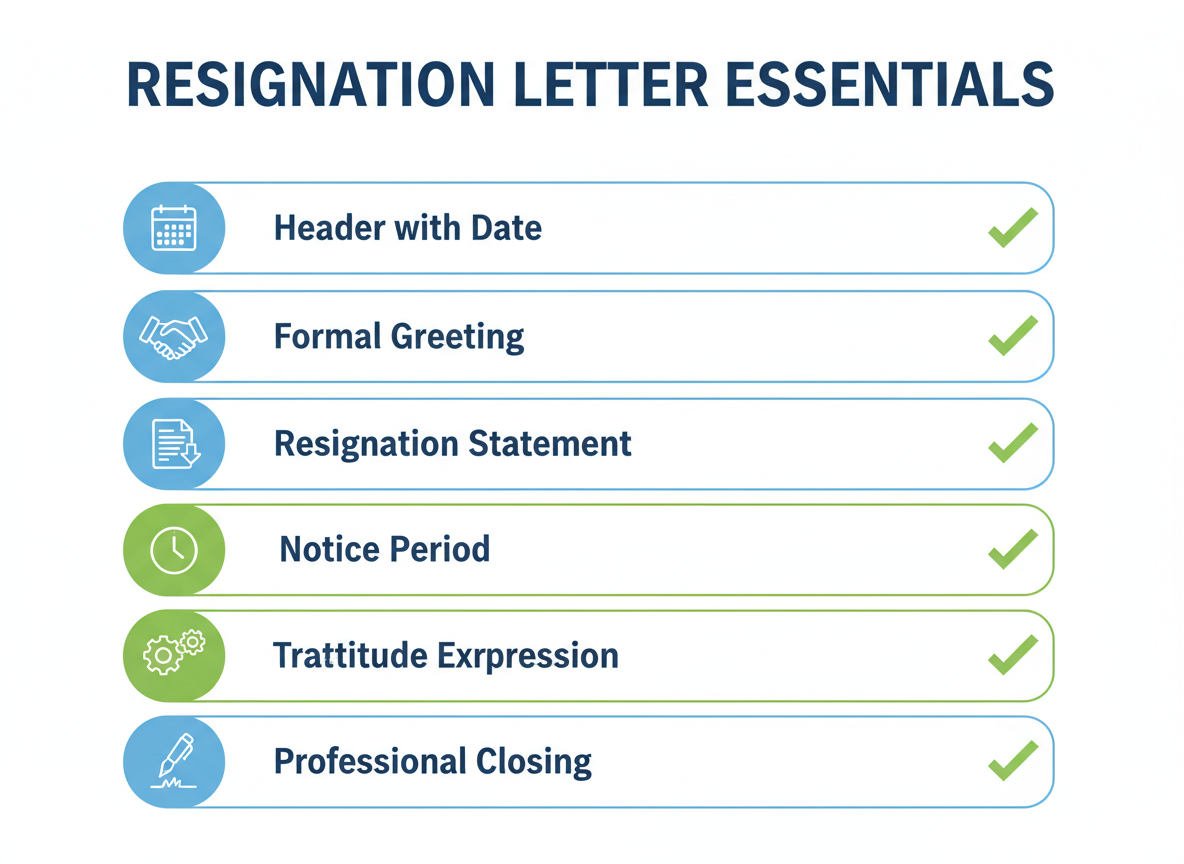
Your resignation letter needs six non-negotiables. Start with a proper header including your contact info, the date, and your employer’s details. Open with a formal greeting, then state your resignation clearly—no ambiguity about your intentions.
Specify your last working day. In the US, that’s typically two weeks from your notice date. You can mention a brief, positive reason for leaving, though it’s optional. “I’ve accepted a position that aligns with my long-term career goals” works perfectly.
Express genuine gratitude for the opportunities you’ve had. Even if the job wasn’t ideal, find something positive to acknowledge. Offer to help with the transition—it shows professionalism and keeps doors open.
Close formally with “Sincerely” or “Best regards,” followed by your signature.
What kills an otherwise solid resignation letter? Negativity about the company, excessive personal details, or treating it like a therapy session. This isn’t the place to air grievances or make demands. Keep it professional, concise, and forward-looking.
Need to draft your two-week notice quickly? AI tools can help you nail the right tone in minutes.
Step-by-Step: How to Generate Your Resignation Letter with AI
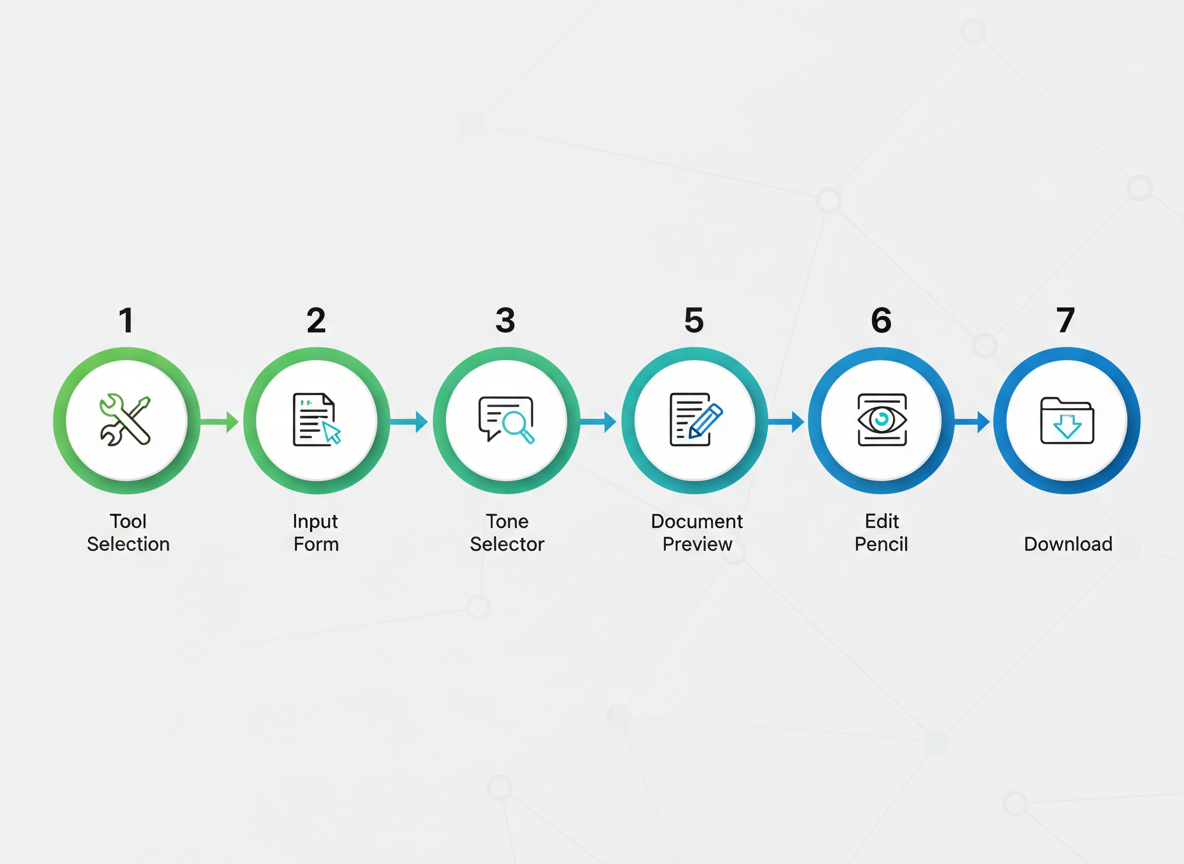
Creating your resignation letter with AI takes less than five minutes. Here’s exactly how to do it:
Step 1: Choose your AI resignation letter generator tool. We’ve covered the best free options that’ll get you professional results.
Step 2: Input your key details—full name, company name, position title, last working day, and general reason (career growth, relocation, personal reasons).
Step 3: Select your preferred tone. Most tools offer formal, friendly, grateful, or neutral options depending on your relationship with your employer.
Step 4: Review the AI-generated draft carefully. The tool will create a complete letter structure for you.
Step 5: Customize specific details. Add personal touches that reflect your actual experience at the company.
Step 6: Proofread everything. Double-check dates, names, and contact information—typos here look unprofessional.
Step 7: Download in your preferred format (Word, PDF, or plain text).
Pro tip: Always personalize the final paragraph. This authentic touch makes your letter memorable and genuinely yours, not obviously AI-written.
AI-Generated vs. Manually Written Resignation Letters: Which Is Better?
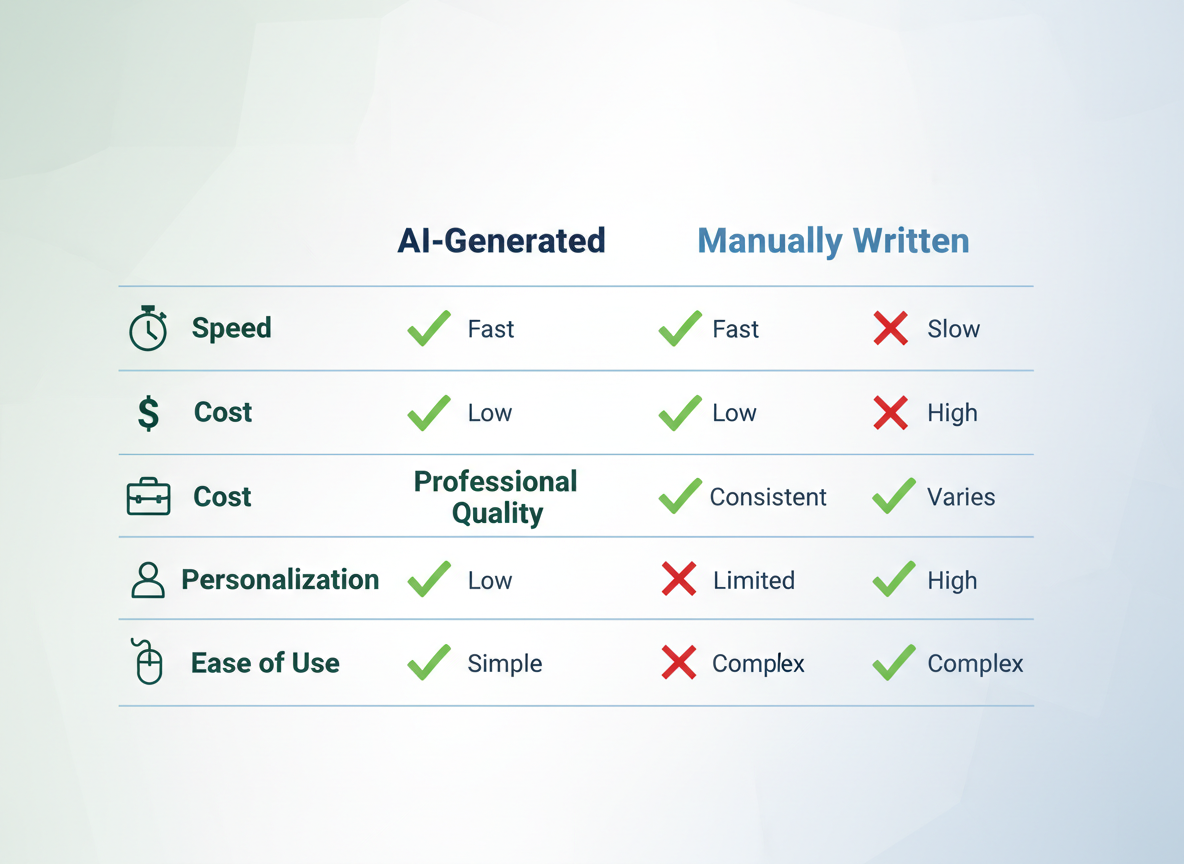
Here’s the honest truth: neither approach wins outright. AI tools deliver speed, professional structure, and emotion-free language that keeps you from oversharing. You’ll get consistent quality without worrying about format mistakes. Manual writing, though, captures the personal touch and relationship details that matter in unique situations.
Cost-wise, AI wins easily. Most generators are free, while professional writers charge $50-200 per letter. That’s a significant difference when you’re already planning your next career move.
Use AI for standard resignations, tight deadlines, or when you’re unsure about proper format. Write manually for C-suite positions, unique circumstances, or very small companies where relationships run deep.
The winning strategy? A hybrid approach. Generate your foundation with an AI letter of resignation generator, then customize with personal details. You’ll save time while maintaining authenticity. This combination works perfectly for 80% of resignation scenarios, giving you professional polish plus genuine personality in under 10 minutes.
Legal Considerations & Notice Period Requirements by Industry
Here’s what you need to know before you click send on that AI-generated resignation letter.
In the US, two weeks’ notice isn’t legally required—it’s just the professional standard. Most states follow at-will employment rules, meaning you can technically walk out today. But here’s the thing: burning bridges affects your references and whether you’ll be eligible for rehire.
Your employment contract matters more than general guidelines. Check it carefully. Executives often face 30-90 day notice periods. Healthcare workers, teachers, and government employees typically need longer lead times because of licensing, patient care continuity, or contract specifications.
Document everything. Send your resignation via email with a read receipt, and keep copies. If you’ve signed non-compete or confidentiality agreements, make sure you’re not violating them with your next move. Final paycheck laws vary wildly by state—California requires immediate payment, while others allow up to 30 days.
Using a Letter of Resignation Generator can streamline the writing process, but always customize it to match your contract terms.
If you’re dealing with complex situations—hostile work environments, discrimination claims, or high-level positions with significant contractual obligations—talk to HR or consult an employment attorney before submitting anything. A few hundred dollars in legal fees beats months of headaches.
Common Mistakes to Avoid in Your Resignation Letter
Here’s the uncomfortable truth: one bad resignation letter can haunt your career for years. Former managers talk, industries are smaller than you think, and that bridge you burned? You might need to cross it again.
Mistake 1: Venting Your Frustrations
Yes, your manager micromanaged every decision. Yes, the company culture was toxic. Yes, you’re leaving for good reasons. But your resignation letter isn’t therapy. Keep it professional, period. Future employers might request this document, and “Jim’s leadership style made coming to work unbearable” doesn’t read well three years later.
Mistake 2: Over-Explaining Your Departure
You don’t owe anyone a detailed explanation. “I’ve accepted a position that aligns better with my career goals” works perfectly. Avoid statements like “the pay here is terrible and I found something 40% higher” or launching into your five-point plan for why this job didn’t work out. Less is more.
Mistake 3: Making Ultimatums or Demands
This isn’t a negotiation platform. Statements like “I’ll stay if you promote me” or “unless my salary increases, this is final” create awkward situations. If you’re genuinely open to staying, have that conversation separately before submitting your resignation.
Mistake 4: Apologizing Excessively
“I’m so sorry for any inconvenience this may cause” repeated three times makes you sound uncertain. One polite acknowledgment of the transition period is sufficient. You’re making a professional decision, not committing a crime.
Mistake 5: Vague Dates
“I’ll be leaving in two weeks” isn’t specific enough. Your last working day should be an exact date: “My last day will be March 15, 2026.” This prevents confusion about expectations and helps HR process everything correctly.
Mistake 6: Skipping the Proofread
Typos in a resignation letter look terrible. But the worst mistakes? Wrong dates, misspelled names (especially your manager’s), or incorrect company names. I’ve seen someone write the NEW company’s name instead of their current employer’s. That’s awkward.
Mistake 7: Informal Delivery Methods
Texting your resignation might feel convenient, but it’s unprofessional. Same with social media messages or casual emails. Print it, sign it, and deliver it properly. Follow up with email for documentation, but do it right.
How AI Prevents These Mistakes Automatically
This is where AI resignation letter generators shine. They’re programmed to exclude negative language, maintain professional tone, and keep explanations appropriately brief. They automatically include specific date fields and format everything correctly.
Modern AI tools also proofread automatically, catching those embarrassing typos before they happen. They won’t let you vent, make demands, or include inappropriate content. Think of them as a professional filter that keeps you from saying something you’ll regret when emotions are running high.
The best part? These tools remember formatting standards you might forget under stress—proper spacing, professional closings, and complete contact information. They’re essentially a professional editor who’s reviewed thousands of resignation letters and knows exactly what works.
Frequently Asked Questions
Can I use an AI-generated resignation letter without editing it?
Technically yes, but you’ll get better results if you personalize the final paragraph. Add a sentence that reflects your actual experience or mentions something specific about your time there. It takes 30 seconds and makes the letter feel authentic.
Is it unprofessional to use AI for resignation letters?
Not anymore. In 2026, it’s become standard practice—just like using spell check or templates. What matters is that your letter sounds professional and appropriate, not how you created it. Even executives use AI to draft formal communications now.
Should I send my resignation letter via email or printed copy?
Email is the default standard in 2026. It’s faster, creates a paper trail, and most companies expect it. That said, check your employee handbook or follow what’s normal at your workplace. Some traditional industries still prefer a printed copy delivered in person, followed by an email confirmation.
How much notice should I give?
Two weeks is standard in the US, but your contract might require more. Executive roles often need 30-60 days. Check your employment agreement before setting your last day. If you’re in a specialized position, offering three weeks can help maintain goodwill.
Do I need to explain why I’m leaving?
You don’t have to, but including a brief, positive reason helps. Something like “accepting a new opportunity” or “pursuing a career change” works well. Skip the details—you’re not obligated to mention your new employer or get specific about your reasons.
What if my relationship with my boss is bad?
This is exactly where AI shines. It helps you maintain a professional tone even when you’re frustrated. Stick to neutral language, focus on facts, and keep emotions out of it. Your resignation letter isn’t the place to air grievances—save that for an exit interview if necessary.
Can I resign effective immediately?
You can, but it might burn bridges and affect your final paycheck or references. Use immediate resignation only in extreme circumstances. If you’re leaving because of a toxic situation, you can still give notice but use sick days or PTO to avoid actually being there.
Should I mention my new employer?
Generally, no. Keep your future plans vague with phrases like “pursuing new opportunities” or “exploring a different career path.” Once you’ve started your new role, your former employer will likely find out anyway, but there’s no advantage to mentioning it in your resignation letter.
What format should I use: letter or email?
Email with formal letter formatting is most common in 2026. Write your resignation as a properly formatted letter, but send it as the body of an email (not as an attachment). This makes it immediately readable and creates a timestamped record. If you need help with other professional documents, check out our guide on AI character reference letters for crafting compelling professional communications.

I am a full-time online marketer, for over a decade now. Helped over 100,000+ people & generated well over $12M in online sales.