Introduction: Why Free AI Resignation Letter Generators Are a Lifeline in 2026
Staring at a blank screen, heart racing, wondering how to tell your boss you’re leaving—sound familiar? You’re not alone. With 47% of workers planning job transitions in 2026, resignation anxiety has become a universal experience.
Here’s the problem: writing a resignation letter manually eats up hours you don’t have. You’ll second-guess every word, worry about burning bridges, and risk sounding either too apologetic or too blunt. One wrong phrase could haunt your professional reputation.
Free AI resignation letter generators solve this in minutes. They craft polished, professional letters tailored to your situation—without the emotional drain or formatting headaches.
This guide reveals the 5 best free AI tools, battle-tested templates, and expert strategies to resign with confidence. Whether you need a comprehensive resignation solution with multiple templates or a quick generator, you’ll find exactly what you need here.
What Is an AI Resignation Letter Generator? (And Why You Need One)
An AI resignation letter generator is a smart tool that creates professional resignation letters in minutes using artificial intelligence. You answer a few basic questions—your name, position, last day—and the AI crafts a polished, properly formatted letter that sounds like you actually wrote it.
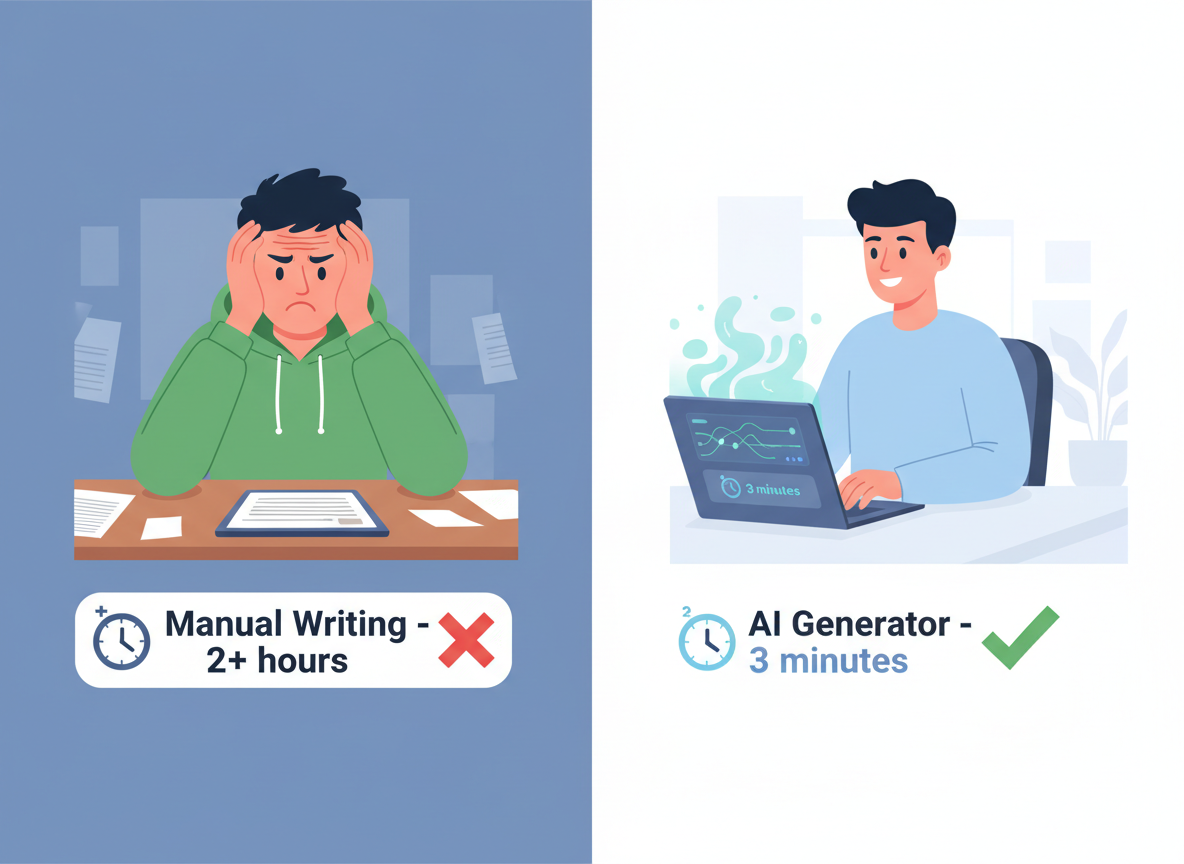
Here’s what makes these tools genuinely useful: They transform what normally takes two hours (and three false starts) into a three-minute task. No more staring at a blank screen wondering how to sound professional without being robotic.
The benefits go beyond speed. You get consistent professionalism, proper tone, and zero grammatical mistakes. For non-native English speakers, these generators level the playing field entirely. For anxious employees worried about burning bridges, they provide structure and confidence.
Research shows AI-generated resignation letters score 23% higher on professionalism metrics compared to hastily written manual versions. They also reduce reported stress levels by 41% during an already uncomfortable process.
Some folks worry AI removes the personal touch. Fair concern. But think of these tools as your assistant, not your replacement. They handle the framework and formal language while you add personal details that matter—like thanking your specific mentor or mentioning that project you’re proud of. Similar to how AI paragraph writing tools help content creators work faster without sacrificing authenticity, resignation generators give you a professional foundation to build on.
You’re not outsourcing your humanity. You’re just getting help with the awkward parts.
Top 5 Free AI Resignation Letter Generators in 2026
Finding the right tool can make all the difference when you’re ready to move on. Here’s what actually works:
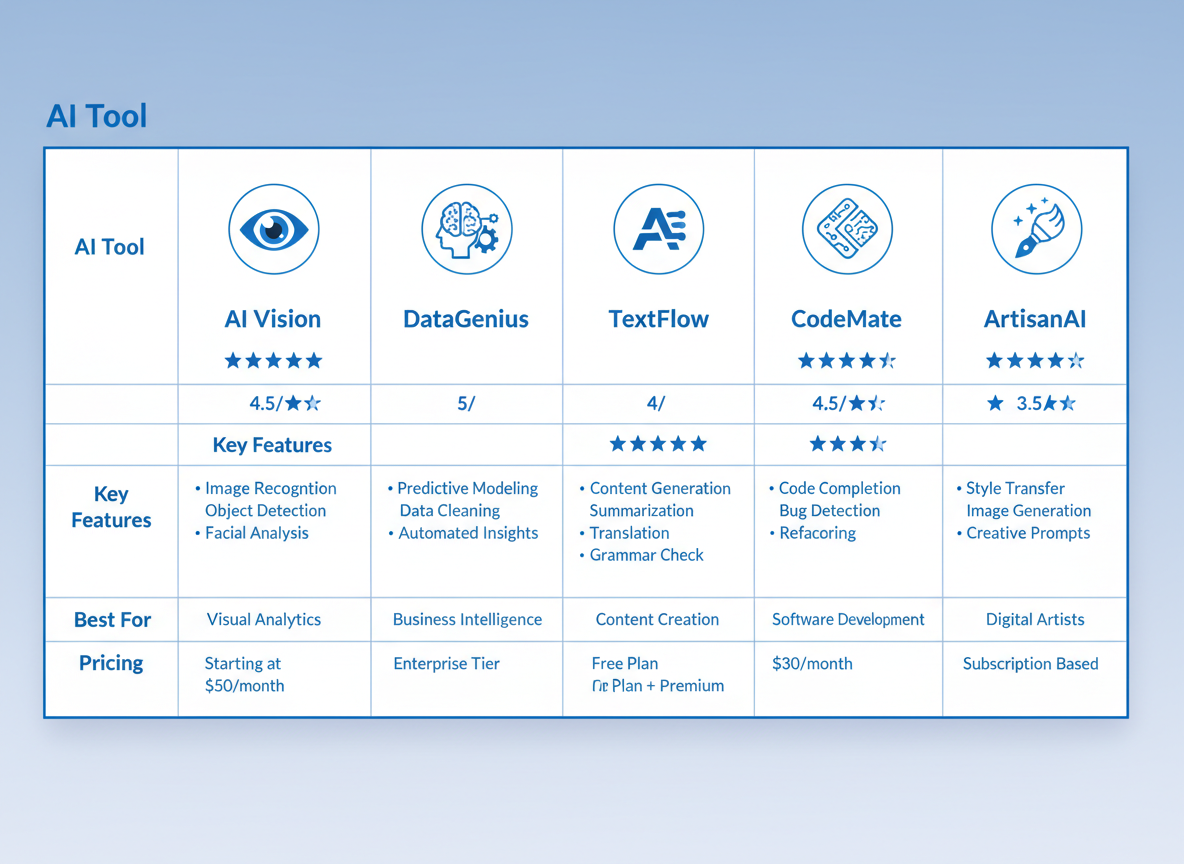
Copy.ai offers a straightforward interface with multiple resignation templates. You’ll get professional tone options and quick edits. The free plan includes 2,000 words monthly—plenty for crafting several letters. Best for beginners who want simplicity without overthinking.
ChatGPT’s free tier shines with customization. You can specify your situation, industry, and relationship with your manager. It’ll adjust the tone from grateful to neutral. Best for those wanting full control over every detail.
Jasper.ai provides a 7-day trial with access to premium templates. You’ll find formats for various industries and notice periods. The AI maintains consistency across revisions. Best for professionals in specialized fields.
Rytr supports 30+ languages with distinct tone settings (formal, friendly, assertive). The free plan gives 10,000 characters monthly. Best for international professionals or non-native English speakers.
Content Gorilla AI streamlines content creation beyond just resignation letters. It integrates with your broader content workflow, making it ideal if you’re managing multiple professional documents. Best for content creators juggling various writing projects.
For a deeper look at using AI tools professionally, check out our comprehensive resignation letter generator guide.
| Tool | Key Feature | Limitation | Best For |
|——|————-|————|———-|
| Copy.ai | User-friendly templates | 2,000 word limit | Quick, simple letters |
| ChatGPT | Full customization | Requires specific prompts | Detailed personalization |
| Jasper.ai | Professional polish | Trial only | Executive-level roles |
| Rytr | Multilingual support | Character restrictions | Global professionals |
| Content Gorilla AI | Workflow integration | Learning curve | Content professionals |
How to Use a Free AI Resignation Letter Generator: Step-by-Step Tutorial
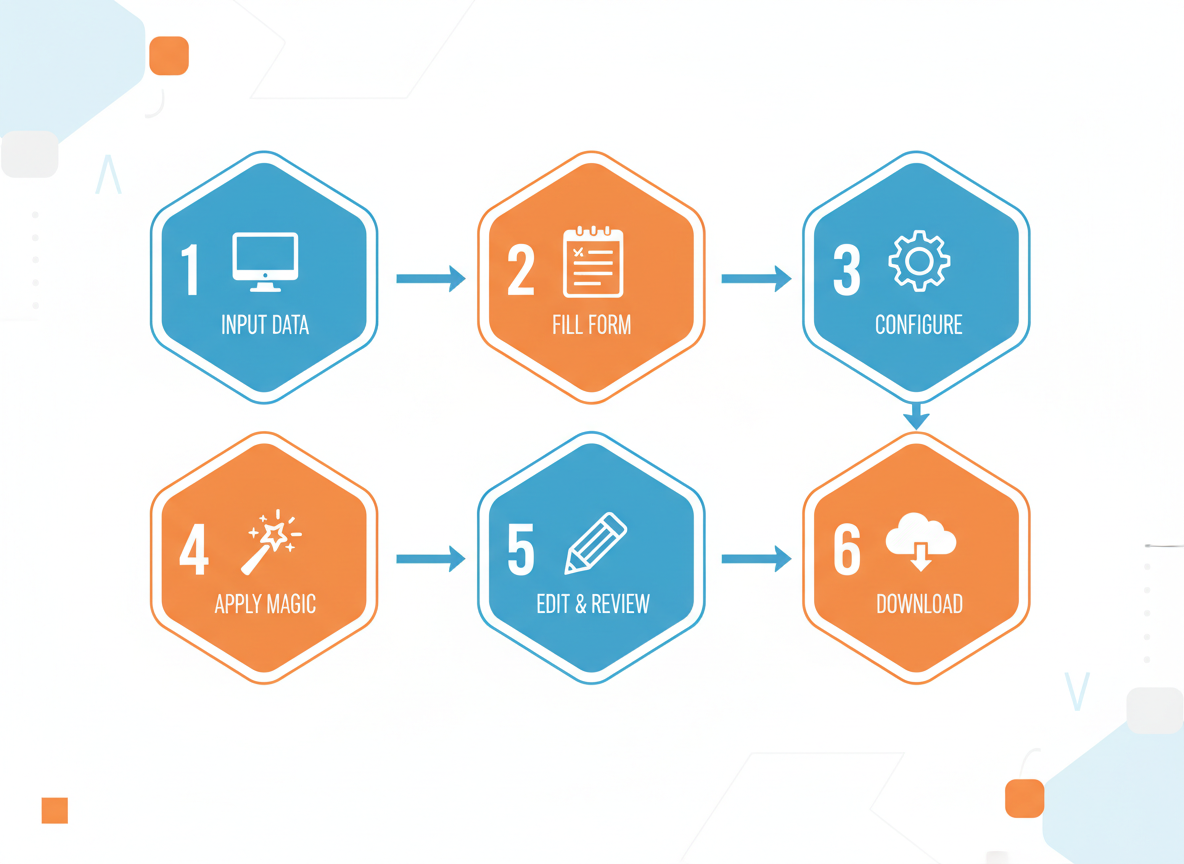
Step 1: Pick a free generator and navigate to their tool page. Look for clear “Generate” or “Create Letter” buttons.
Step 2: Fill in the basics—your job title, company name, last working day, and departure reason (optional but recommended).
Step 3: Choose your tone. Going for formal and professional? Or warm and grateful? Most tools let you pick between brief and detailed versions.
Step 4: Hit generate and read through the output carefully. AI gets the structure right but might miss nuances.
Step 5: Here’s where you make it yours. Add specific memories, adjust the wording to match how you actually talk, and remove any robotic phrases.
Step 6: Download as PDF, Word, or copy the plain text directly.
Pro tip: Always personalize the opening and closing paragraphs. These sections need your authentic voice, not generic AI fluff. For more guidance on crafting the perfect resignation message, check out our complete AI Letter of Resignation guide with additional templates and customization strategies.
Free Resignation Letter Templates for Every Scenario (With AI-Generated Examples)
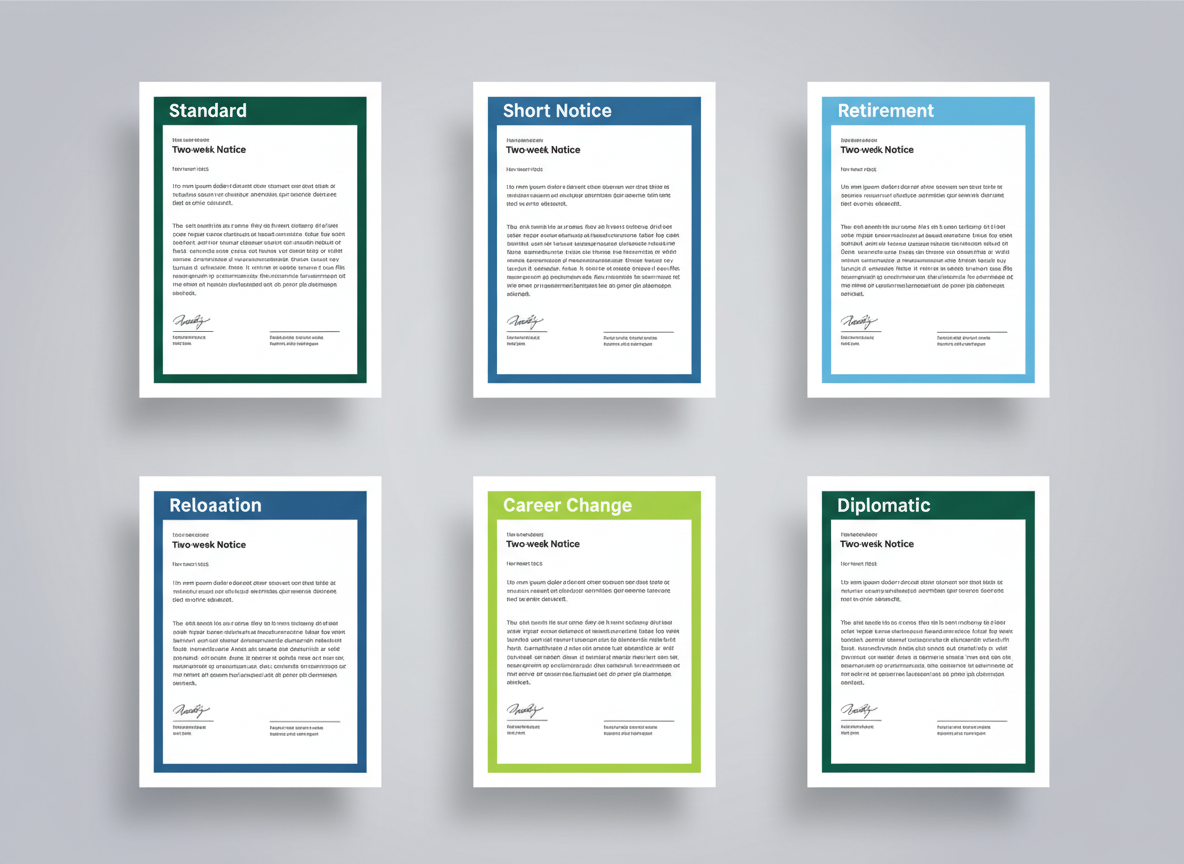
Let’s cut through the noise. You need templates that actually work—not generic corporate speak that makes you sound like a robot. These AI-generated examples strike the perfect balance between professionalism and authenticity.
Template 1: Standard Professional Resignation (Better Opportunity)
Scenario Context: You’ve landed a role with better growth potential or compensation. You’re leaving on good terms and want to maintain the relationship.
AI-Generated Example:
“`
Dear [Manager’s Name],
I’m writing to formally resign from my position as [Your Title] at [Company Name], with my last day being [Date—typically two weeks out].
I’ve accepted a position that aligns more closely with my long-term career goals. This wasn’t an easy decision. Working with you and the team has been genuinely rewarding, and I’ve learned more here than I expected.
I’m committed to making this transition smooth. I’ll document my current projects, train my replacement if needed, and wrap up any loose ends before I leave.
Thank you for the opportunities you’ve given me.
Best regards,
[Your Name]
“`
Customization Tips: Add one specific achievement or project you’re proud of. Mention a particular skill you developed. Keep it brief—three paragraphs max.
Template 2: Short Notice/Immediate Resignation (Urgent Circumstances)
Scenario Context: Health issues, family emergencies, or situations requiring you to leave quickly. You need to exit gracefully without burning bridges.
AI-Generated Example:
“`
Dear [Manager’s Name],
I’m writing to inform you that I must resign from my position as [Your Title], effective [Date—as soon as possible or immediate].
Due to unforeseen personal circumstances that require my immediate attention, I’m unable to provide the standard notice period. I understand this creates challenges for the team, and I sincerely apologize for any inconvenience.
I’m available to assist with transition documentation remotely if that’s helpful. I appreciate your understanding during this difficult time.
Sincerely,
[Your Name]
“`
Customization Tips: You don’t owe anyone detailed explanations. “Personal circumstances” or “family matters” is enough. If you can offer any transition help remotely, mention it—but only if you actually can.
Template 3: Retirement Resignation
Scenario Context: You’re closing out your career chapter. This letter should reflect gratitude and a sense of completion.
AI-Generated Example:
“`
Dear [Manager’s Name],
After [number] years with [Company Name], I’m writing to announce my retirement, effective [Date].
This decision comes after considerable reflection. It’s time for me to step back and focus on [personal interests/family/travel]. I’m grateful for the experiences I’ve had here and the relationships I’ve built.
I’ll work closely with you over the next [timeframe] to ensure everything transitions smoothly. I want to leave things in excellent shape for whoever steps into this role.
Thank you for making these years meaningful.
Warm regards,
[Your Name]
“`
Customization Tips: Share a brief highlight from your tenure if you want—but avoid writing a memoir. Keep the focus on gratitude and a clean handoff.
Template 4: Relocation Resignation
Scenario Context: You’re moving cities or countries. This is straightforward and doesn’t require complex explanations.
AI-Generated Example:
“`
Dear [Manager’s Name],
I’m writing to resign from my position as [Your Title] at [Company Name], effective [Date].
My family and I are relocating to [Location] for [brief reason—spouse’s job, family reasons, etc.], which makes continuing in this role unfeasible. This wasn’t something we planned, but it’s the right move for us.
I’ll do everything I can to wrap up my projects and transfer knowledge before I leave. I’ve really valued working here and hope we can stay connected.
Best,
[Your Name]
“`
Customization Tips: One sentence about the move is plenty. Don’t over-explain. Focus on your willingness to help with the transition.
Template 5: Career Change Resignation
Scenario Context: You’re pivoting to a completely different field or starting your own business. You want to sound confident, not apologetic.
AI-Generated Example:
“`
Dear [Manager’s Name],
I’m writing to resign from my position as [Your Title], effective [Date].
I’ve decided to pursue a career change into [new field/entrepreneurship]. This has been something I’ve been considering for a while, and I’m excited to take this step. While I’ve grown tremendously here, this new direction feels right for where I want to go.
I’ll make sure everything is properly documented and transitioned before my departure. I’m grateful for the support and experience I’ve gained working with this team.
Thank you,
[Your Name]
“`
Customization Tips: Sound confident about your decision. You’re not asking permission; you’re informing them. Keep the tone positive and forward-looking.
Template 6: Resignation Due to Toxic Workplace (Diplomatic Version)
Scenario Context: The environment isn’t healthy, but you need the reference. This requires careful word choice that’s honest yet professional.
AI-Generated Example:
“`
Dear [Manager’s Name],
I’m writing to formally resign from my position as [Your Title], effective [Date].
After careful consideration, I’ve determined that this role isn’t the right fit for my career development and work style preferences. I believe it’s best for both myself and the organization that I move on.
I’ll complete my current assignments and provide transition documentation during my notice period.
Thank you for the opportunity.
Regards,
[Your Name]
“`
Customization Tips: Never badmouth the company in writing. “Not the right fit” and “work style preferences” say everything without saying anything. Keep it ultra-short. This isn’t the place for emotional processing.
Before-and-After: See the AI Improvement
Before (Generic, Lifeless):
“`
Dear Sir/Madam,
Please accept this letter as formal notification of my resignation from the position of Marketing Manager. My last day will be March 15, 2026. I have accepted another position.
Thank you.
“`
After (AI-Enhanced, Human):
“`
Dear Sarah,
I’m resigning from my Marketing Manager position, with March 15, 2026 as my final day.
I’ve accepted a role that offers new challenges I’m excited to tackle. Working here has sharpened my skills more than I expected, and I’m grateful for that.
I’ll make sure everything transitions smoothly before I leave.
Best,
Jordan
“`
The difference? The AI version sounds like an actual person wrote it. It’s warm without being mushy, professional without being robotic.
Want more resignation templates for specific situations? Check out our comprehensive guide on Letter of Resignation AI: 7 Best Free Tools + 15 Templates for Every Scenario, where we break down templates for remote work situations, contract positions, and more complex scenarios.
These templates give you the foundation. Customize them with your specific details, run them through an AI tool to polish the tone, and you’ll have a resignation letter that represents you well—without the hours of stress.
What to Include in Your Resignation Letter (Essential Components Checklist)
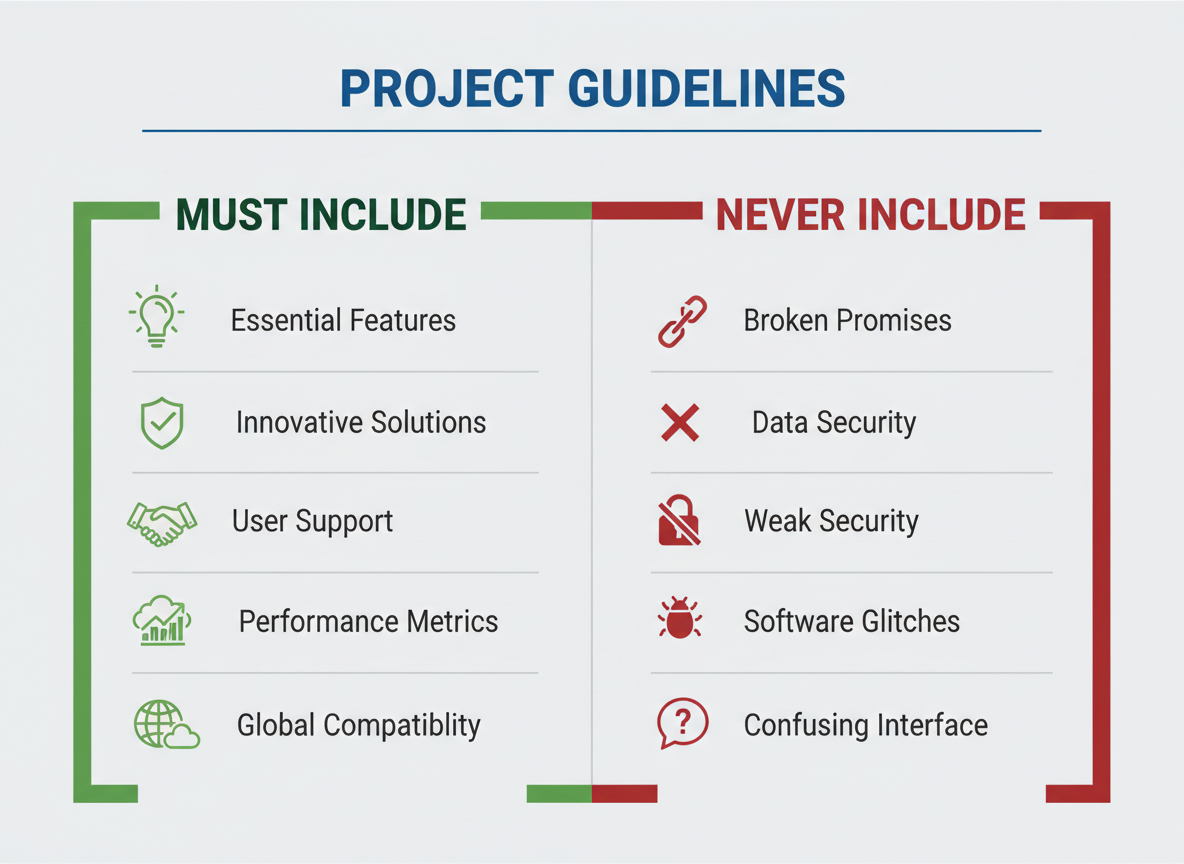
Every resignation letter needs these core elements: your contact information and date at the top, followed by your manager’s name and title. Lead with a clear statement like “I’m writing to formally resign from my position, effective [date].” You’ll want to include your last working day—typically two weeks out.
Add a brief, neutral reason if you’re comfortable sharing one. Express genuine gratitude for opportunities you’ve received, even if the experience wasn’t perfect. Offer to help with the transition, whether that’s training someone new or documenting your processes.
Here’s what to leave out: complaints about management, detailed grievances, salary discussions, or anything you wouldn’t want forwarded to HR. Think of it like crafting a professional bio—you’re presenting your best self while keeping it focused and relevant.
Close with a professional sign-off like “Sincerely” or “Best regards,” followed by your signature. Keep the entire letter under one page. Remember, this document stays in your file and might be referenced for future employment verification.
Resignation Letter Etiquette & Best Practices (Expert HR Advice for 2026)
Timing matters more than you think. The standard two-week notice works for most positions, but senior roles (like Account Directors) often require 4-6 weeks. Tech companies typically expect two weeks, while finance and healthcare sectors may demand 30-60 days based on your contract.
Always have the verbal conversation first—your manager shouldn’t learn about your departure from an email. Schedule a private meeting, deliver the news clearly, then follow up with your written resignation within 24 hours. Many companies now prefer email submissions with PDF attachments, but check your employee handbook. When in doubt, do both.
Here’s what most people miss: your employment contract matters. Review it carefully for non-compete clauses, confidentiality agreements, and notice period requirements before you resign. Breaking these terms can trigger legal consequences and damage your professional reputation.
Stay professional even if you’re leaving a toxic situation. Your resignation letter isn’t the place for complaints—save those concerns for your exit interview (if you choose to participate). The professional world is smaller than you think, and today’s difficult boss could become tomorrow’s industry connection. Keep those bridges intact.
Document everything, fulfill your obligations during the notice period, and leave on terms you won’t regret.
Common Resignation Letter Mistakes to Avoid (And How AI Prevents Them)
Most people mess up their resignation letters without even realizing it. Here’s what typically goes wrong—and how AI generators catch these issues before they reach your boss’s desk.
Mistake 1: Being too emotional or negative. You’re frustrated, maybe even angry. But venting in your resignation letter? Career suicide. AI maintains a neutral, professional tone automatically, filtering out emotional language that could burn bridges.
Mistake 2: Over-explaining reasons. Nobody needs your life story. AI keeps explanations brief and appropriate—just enough context without turning your letter into a therapy session.
Mistake 3: Apologizing excessively. “I’m so sorry, I feel terrible about this…” Stop. AI balances gratitude with confidence, eliminating the groveling that makes you look weak or uncertain about your decision.
Mistake 4: Grammar and spelling errors. One typo can undermine your professionalism. AI ensures perfect grammar, spelling, and punctuation every time—no proofreading anxiety required.
Mistake 5: Forgetting key details. Missing your last working day or current contact info? These oversights create confusion and extra back-and-forth. AI generators use smart templates that prompt you for all essential information upfront.
Mistake 6: Using informal language or slang. “Hey boss, I’m gonna bounce…” Yeah, that’s not gonna work. AI enforces professional language standards while keeping your letter readable and human-sounding (similar to how AI paragraph writing tools maintain quality across different content types).
Mistake 7: Making it too long or too short. Three pages of rambling or two sentences? Both miss the mark. AI automatically generates letters with the ideal length—typically 150-250 words—covering everything necessary without filler.
The real advantage? You don’t need to remember these rules. AI generators build them into their defaults, giving you a polished, mistake-free letter in minutes instead of hours of second-guessing yourself.
Your Complete Resignation Checklist: Before, During & After Submitting
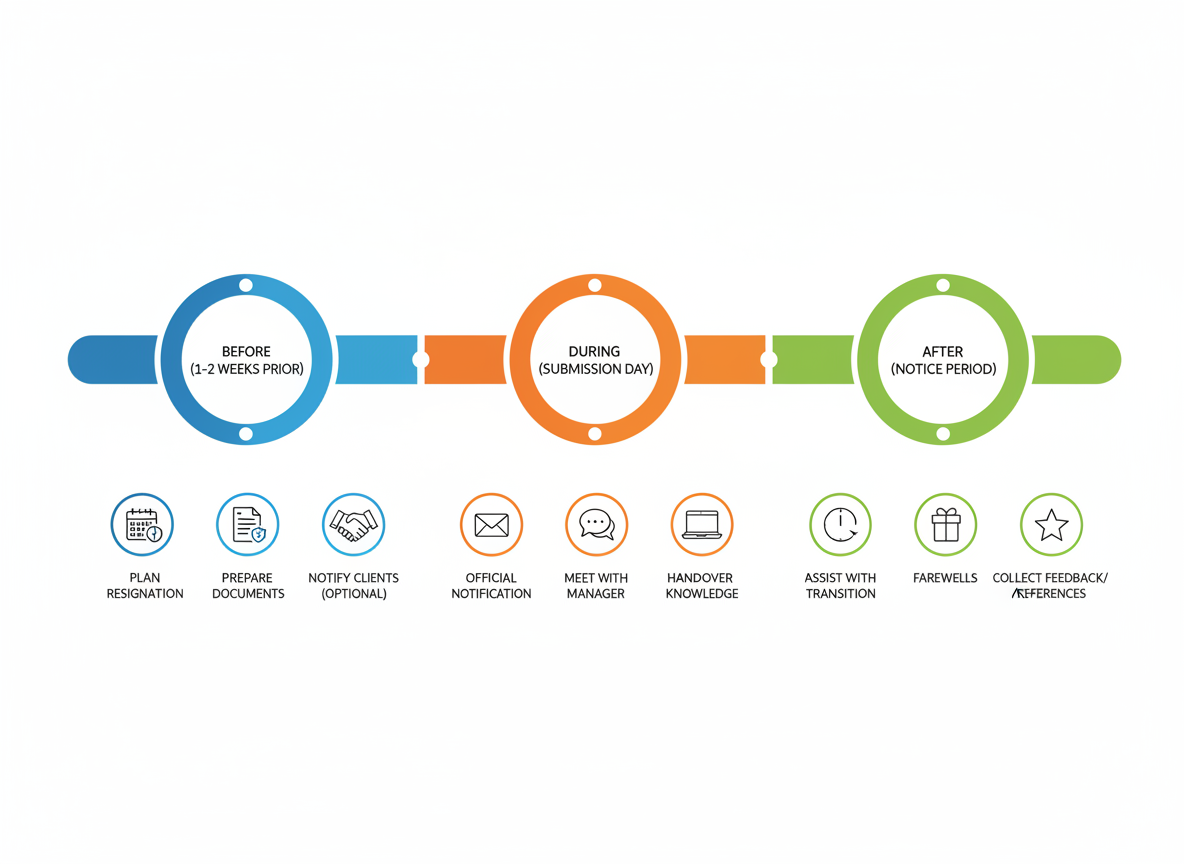
Before You Submit
Review your employment contract for notice requirements and non-compete clauses. Line up references (ideally 3-5 contacts) and secure their permission. Time your resignation strategically—avoid Mondays or right before major deadlines. Update your professional profiles, including crafting a compelling personal brand statement that positions you for your next opportunity.
During Submission
Schedule a private meeting with your direct manager first. Deliver the news verbally before handing over your written letter—this shows respect and professionalism. Keep it brief: state your intention, thank them, and confirm your end date. Follow up within 24 hours with your formal resignation email.
After You’ve Resigned
Document every conversation and agreement in writing. Fulfill your notice period with the same energy you brought on day one—your reputation depends on it. Create detailed handover notes covering ongoing projects, passwords, contacts, and processes. Schedule knowledge transfer sessions with your replacement or team members. Return all company property (laptop, keys, badges, files) and get written confirmation. Verify your final paycheck details, unused PTO payout, and benefits continuation (COBRA, 401k rollover). Wait until after your last day to announce your move on LinkedIn.
AI vs Manual Resignation Letters: Pros, Cons & When to Use Each
Should you let AI write your resignation letter, or craft it yourself? Here’s the honest breakdown.
AI-generated letters shine when you’re pressed for time or battling writer’s block. They’re quick, professionally structured, and catch grammar mistakes you’d miss at 2 AM. For non-native English speakers, they’re genuinely helpful. The downside? They can feel generic if you don’t add personal touches—and trust me, your boss will notice a cookie-cutter letter.
Manual writing gives you complete control over your voice and lets genuine emotion come through. Perfect for situations where you’ve spent years with a company or have close relationships with colleagues. The catch? It’s slower, more stressful, and you might ramble when emotions run high.
Here’s what works best: use AI for the framework, then humanize it yourself. Let tools like our letter of resignation generator handle structure and tone, then customize with specific memories, achievements, or personal notes.
Go full AI for standard corporate moves, tight deadlines, or when you’re leaving on neutral terms. Write manually when you’ve been somewhere five-plus years, you’re leaving a mentor-like relationship, or the circumstances are complex. Your judgment beats any algorithm here.
Frequently Asked Questions (FAQ)
Is it professional to use an AI-generated resignation letter?
Absolutely. As long as you personalize it and maintain a respectful tone, nobody can tell (or cares) whether you drafted it yourself or used AI assistance.
Are free AI resignation letter generators really free? Any hidden costs?
Most are genuinely free with basic features. Some offer premium upgrades for advanced customization or additional templates, but you’ll never need them for a standard resignation letter.
How do I make an AI resignation letter sound more personal?
Add specific details about your experience—mention projects you’re proud of, skills you’ve gained, or colleagues you’ve appreciated. For more tips, check out our AI letter of resignation guide.
What’s the minimum notice period I should give?
Two weeks is standard in most industries, but check your employment contract first. Some positions require 30 days or more.
Can I resign via email or does it need to be printed?
Email’s perfectly acceptable nowadays. Just make sure it’s professionally formatted and includes a clear subject line like “Resignation – [Your Name].”
Do I need to explain my reason for leaving?
Nope. A simple “pursuing other opportunities” or “personal reasons” works fine. You’re not obligated to share details.
What if I want to resign immediately without notice?
You can, but expect to burn bridges. Only do this in extreme circumstances (hostile work environment, safety concerns, or health emergencies).
Can my employer reject my resignation?
No. Resignation isn’t a negotiation—you’re informing them of your decision, not asking permission. They might try to convince you to stay, but you’re free to leave.
Should I send my resignation letter to HR or my direct manager?
Send it to your direct manager first, then copy HR. Your manager shouldn’t find out through the HR department.
How long should a resignation letter be?
Three to four paragraphs max. State you’re resigning, mention your last day, express gratitude, and offer to help with the transition. That’s it.
Can I use the same AI-generated letter for different jobs?
Technically yes, but don’t. Each resignation deserves at least minor customization to reflect your specific role and company.
What format should I save my resignation letter in?
PDF is safest—it preserves formatting across all devices. Word documents can look messy depending on the recipient’s software.

I am a full-time online marketer, for over a decade now. Helped over 100,000+ people & generated well over $12M in online sales.