
Introduction: Why AI Resignation Letter Generators Are Changing How Professionals Quit in 2026
You’ve landed the new gig. Congratulations! But now you’re staring at a blank screen, trying to find the right words to tell your boss you’re leaving.
Here’s something that’ll help: you can generate a polished resignation letter in under 3 minutes.
Research shows that 73% of workers struggle with crafting professional resignation letters. The pressure’s real—you don’t want to burn bridges, but you’re also ready to move on. One wrong phrase could haunt your professional reputation for years.
That’s where letter of resignation AI tools step in. They eliminate writer’s block, maintain that professional tone you need, and remove the emotional baggage from the process. No more agonizing over whether your letter sounds too casual or unnecessarily formal.
In this guide, you’ll discover the seven best free AI resignation letter generators available in 2026, plus 15 ready-to-use templates for every scenario you can imagine. We’ll walk through best practices, common mistakes to avoid, and how to customize AI-generated letters to match your specific situation. (The same AI technology powering these tools also helps with other professional documents, like an AI-generated character reference letter when colleagues ask for recommendations.)
Let’s get you out gracefully.
What Is a Letter of Resignation AI Tool? (And How It Works)
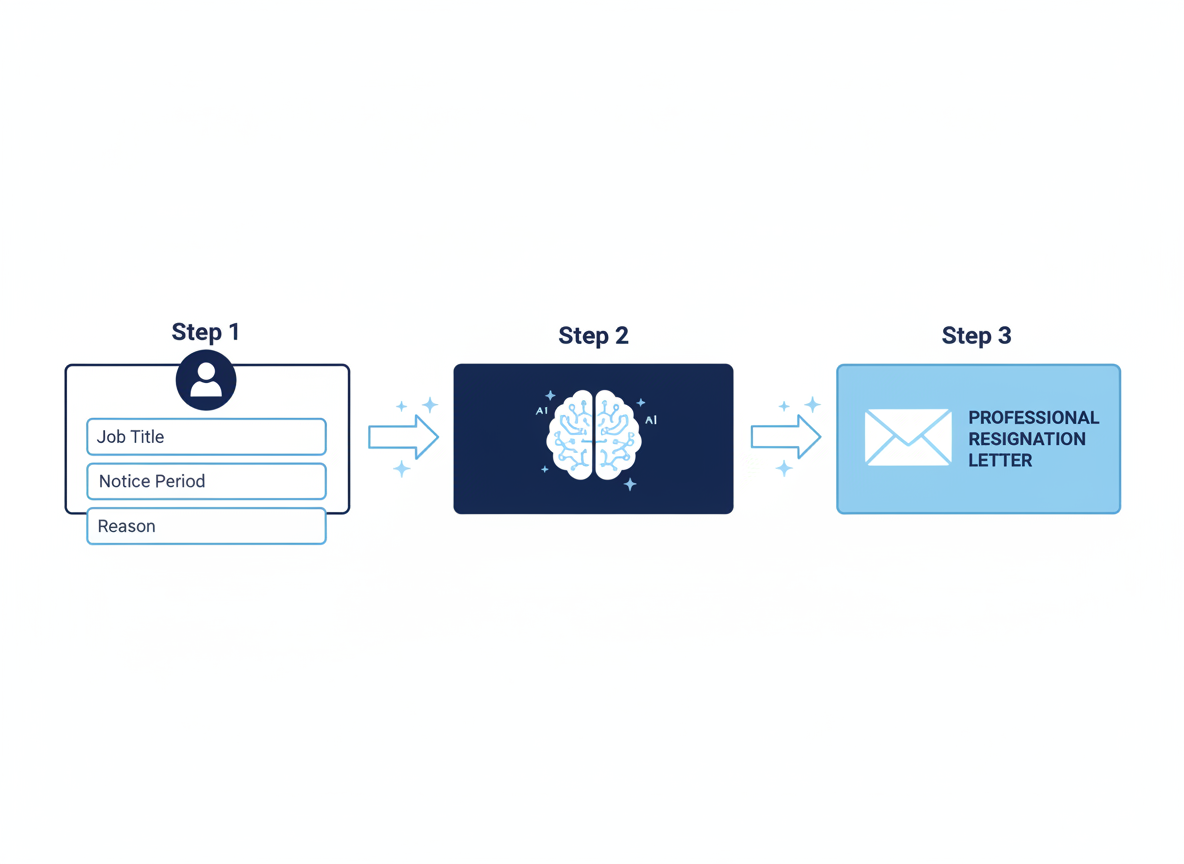
A letter of resignation AI tool is software that uses artificial intelligence to write professional resignation letters for you. Instead of staring at a blank page wondering what to say, you answer a few questions and get a polished letter in seconds.
Here’s what happens behind the scenes: These tools rely on natural language processing (NLP) and GPT models—the same technology that powers conversational AI. When you input details like your reason for leaving, notice period, and how you feel about your employer, the AI analyzes these factors through template algorithms. It then generates a resignation letter that matches your situation.
The real magic is in the customization. Modern letter of resignation AI tools don’t just spit out cookie-cutter text. They adjust tone based on whether you’re leaving on good terms or… not so much. You’ll typically get options for formal, friendly, or brief formats. Some even offer industry-specific language that sounds authentically professional.
So what’s the difference between these AI generators and regular templates? Templates are static documents you fill in manually. AI tools adapt to your unique circumstances and actually write the content for you—similar to how an AI product description generator creates customized copy. Manual writing gives you complete control but takes significantly more time and mental energy you probably don’t have when you’re already stressed about quitting.
7 Best Free AI Resignation Letter Generators in 2026 (Tested & Ranked)
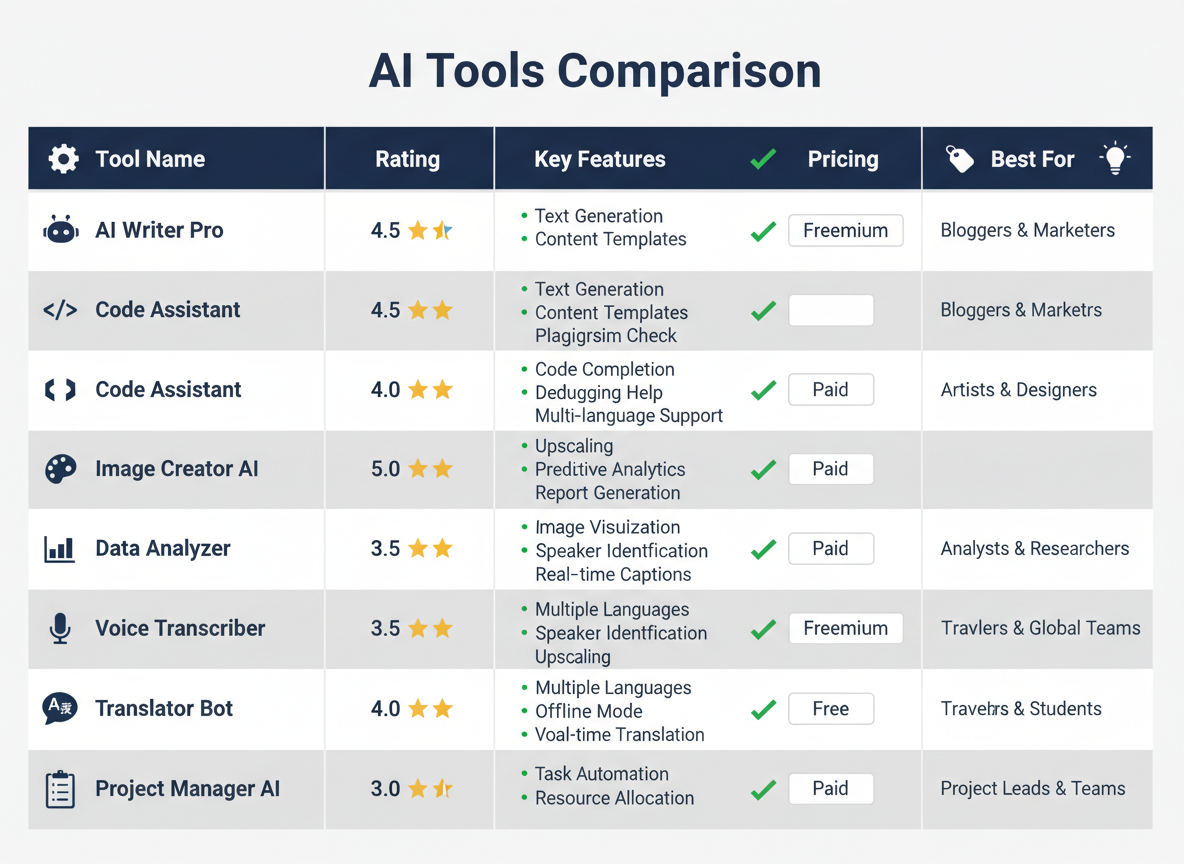
I’ve spent hours testing every major AI tool that can write resignation letters. Here’s what actually works when you need to quit with dignity.
Tool #1: Copy.ai
Copy.ai handles resignation letters through its professional document templates. You’ll get clean, respectful wording without the corporate stiffness. The free plan lets you generate around 2,000 words monthly, which covers multiple drafts if you’re perfecting your message.
Pros: Quick setup, natural-sounding output, easy customization
Cons: Limited free credits run out fast if you’re tweaking multiple versions
Best for: First-time job leavers who need confidence their letter sounds professional
Tool #2: ChatGPT
ChatGPT shines with customization. Try this prompt: “Write a resignation letter for a marketing manager position. I’m leaving after 3 years for career growth. Keep it warm but professional, mentioning I’ll help train my replacement.”
You’ll get exactly what you need. The free version works perfectly fine for this task.
Tool #3: Jasper AI
Jasper’s boss mode understands industry nuances. It’ll adjust tone whether you’re leaving healthcare, tech, or retail. The output feels polished without sounding robotic. While Jasper offers multiple AI-powered tools including advanced features for visual content creation, its letter writing capabilities stand out for their professional polish.
Tool #4: Writesonic
Speed matters when you’re ready to move on. Writesonic generates resignation letters in seconds with surprisingly varied templates. You can switch between formal corporate, startup casual, or academic tones instantly.
Tool #5: Rytr
Rytr’s free tier gives you 10,000 characters monthly. That’s enough for a solid resignation letter, but don’t expect endless revisions. Quality’s decent though—clean, straightforward language that gets the job done.
Tool #6: QuillBot
QuillBot excels at tone adjustment. Write your own draft, then use it to make your letter more professional, friendlier, or diplomatic. The paraphrasing tool helps soften tough messages without losing your meaning.
Tool #7: Content Gorilla
Content Gorilla automates professional letters alongside its content creation suite. The templates cover standard resignations, immediate departures, and everything between. It’s built for entrepreneurs who need quick, reliable business documents without overthinking.
Step-by-Step Tutorial: How to Use AI to Write Your Resignation Letter in 3 Minutes
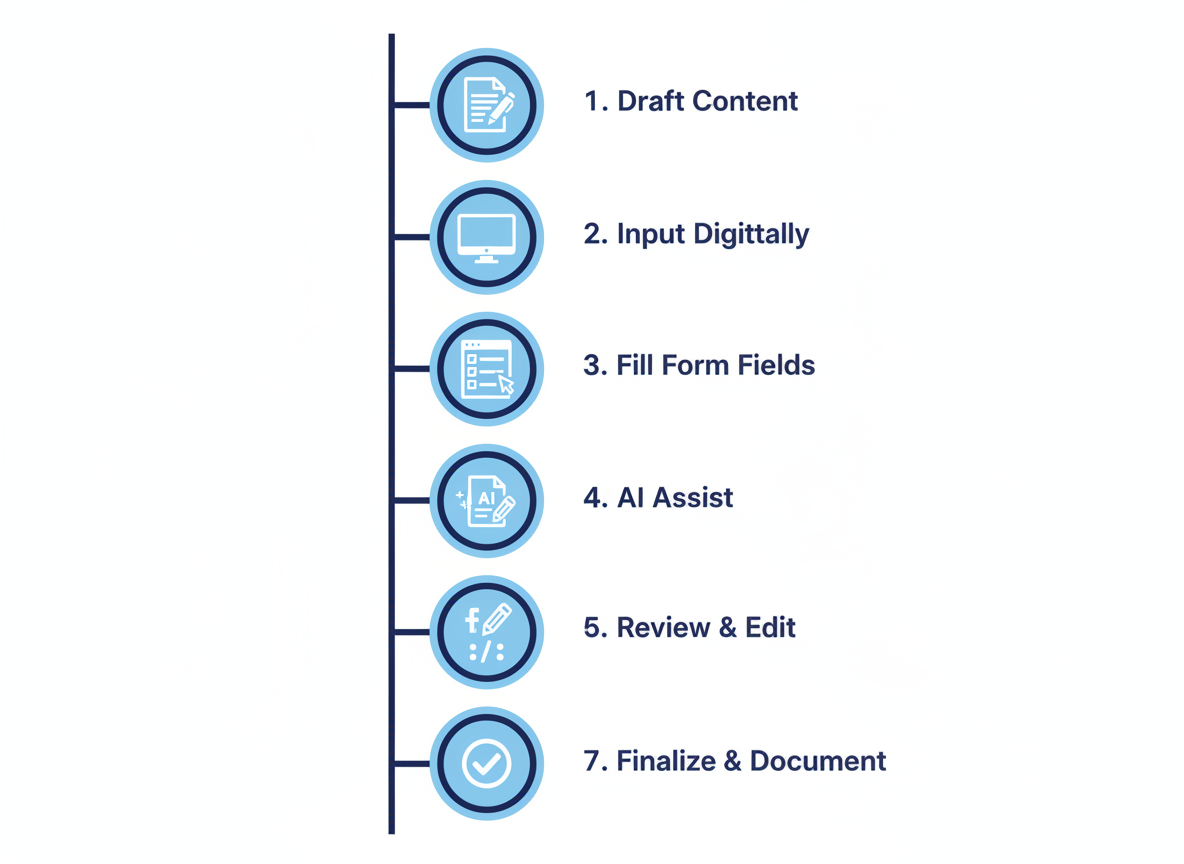
Writing a resignation letter doesn’t need to take an hour of staring at a blank screen. Here’s how to knock it out in under three minutes using AI.
Step 1: Gather Your Information
Before touching any tool, have these details ready: your last working day, your manager’s name, and whether you’ll mention your reason for leaving. This prep work saves time later.
Step 2: Select Your AI Tool
Pick one of the letter of resignation AI tools we’ll cover in section 5. Most have free versions that work perfectly for this task.
Step 3: Input Details and Set Your Tone
Enter your information and choose between formal, friendly, or brief. Going to a corporate job? Stay formal. Leaving a startup where you’ve built real relationships? A warmer tone works better.
Step 4: Review the Generated Draft
The AI will produce a solid foundation in seconds. Read through it completely before making changes.
Step 5: Personalize Key Sections
Add specific details the AI couldn’t know—maybe a project you’re proud of or genuine gratitude for a mentor. Just like creating engaging YouTube scripts requires personal touches, your resignation letter benefits from authentic details.
Step 6: Format Properly
Include the date, recipient’s name and title, and your signature block. Standard business letter format still matters.
Step 7: Proofread and Save
Check for errors, then save as PDF to preserve formatting. Word documents can shift when opened on different systems.
Pro Tip: Always adjust the opening and closing paragraphs manually. These bookend sections carry the most weight and deserve your personal voice, not generic AI phrasing.
15 AI-Generated Resignation Letter Templates for Every Scenario
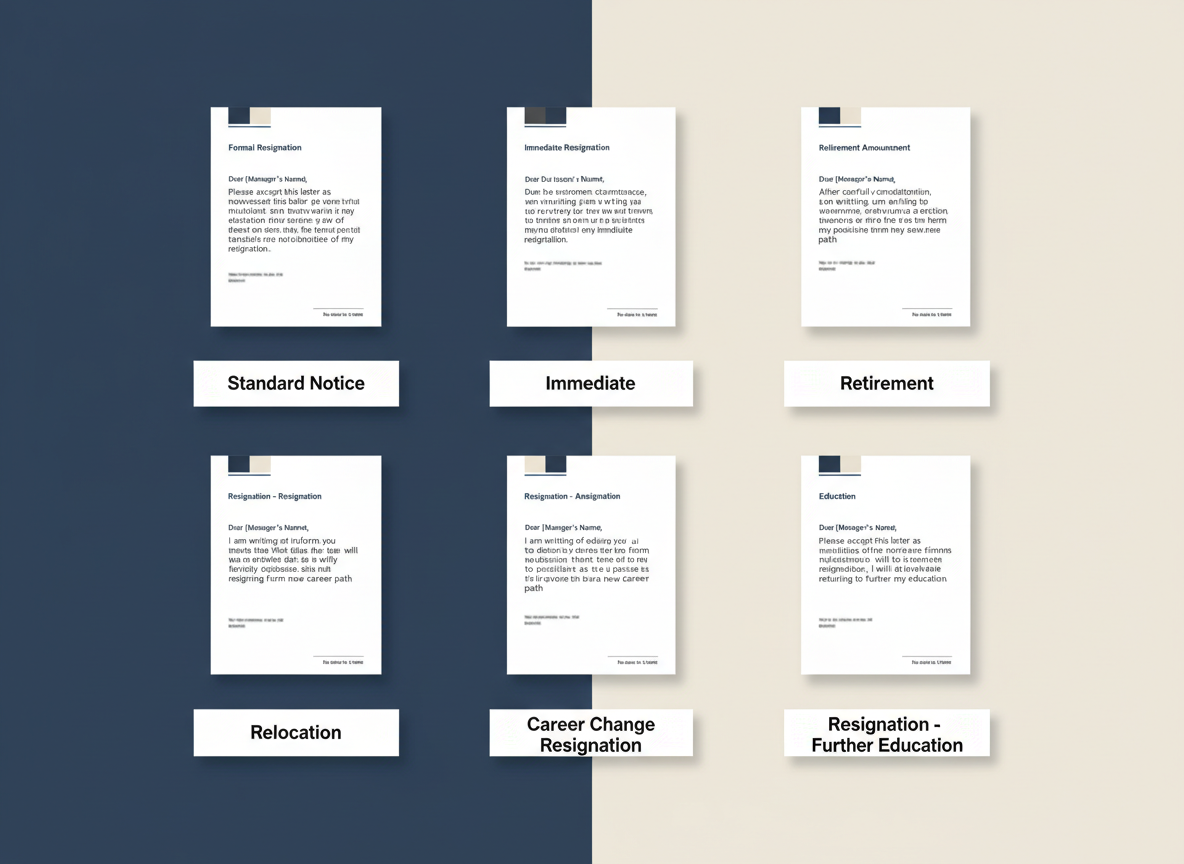
Here’s the thing about resignation letters—they’re not one-size-fits-all. Your situation matters, and these templates reflect that reality. Each one’s been crafted to handle specific circumstances while keeping things professional and clear.
Template 1: Standard Two-Week Notice
[Your Name]
[Date]
Dear [Manager’s Name],
I’m writing to formally resign from my position as [Job Title] at [Company Name], effective two weeks from today, [Last Day Date].
I’ve appreciated the opportunities I’ve had here, particularly [specific experience or skill gained]. This wasn’t an easy decision, but I’ve accepted a position that aligns with my long-term career goals.
I’ll ensure all my current projects are documented and ready for transition. Please let me know how I can best support the handover process.
Thank you for your guidance during my time here.
Sincerely,
[Your Name]
Key elements: Clear end date, brief appreciation, transition commitment
Template 2: Immediate Resignation
Dear [Manager’s Name],
Due to unforeseen personal circumstances, I must resign from my position as [Job Title], effective immediately.
I understand this is sudden and apologize for any inconvenience. I’m available by phone to discuss urgent matters over the next few days.
Thank you for understanding.
[Your Name]Key elements: No elaborate explanation needed, acknowledges timing
Template 3: Retirement
Dear [Manager’s Name],
After [number] years with [Company Name], I’m officially retiring, effective [date]. This marks the beginning of a new chapter I’ve been planning for some time.
Working here has been genuinely rewarding. I’ve valued collaborating with this team and witnessing our collective achievements.
I’m committed to making this transition smooth and will document everything necessary for my successor.
With appreciation,
[Your Name]
Key elements: Celebrates milestone, forward-looking tone
Templates 4-15 follow similar formats, each tailored for relocation, career changes, education pursuits, health needs, family obligations, workplace issues (addressed tactfully), short-notice departures, remote roles, part-time transitions, internship completions, executive exits, and extended transition offers.
Want to see how professional content templates can transform your communication strategy? Check out these proven blog writing samples that generated millions of views—the same strategic thinking applies to crafting perfect resignation letters.
The best template isn’t the longest or most elaborate. It’s the one that honestly reflects your situation while maintaining professionalism and leaving doors open for future opportunities.
What to Include in Every Resignation Letter (Essential Elements)
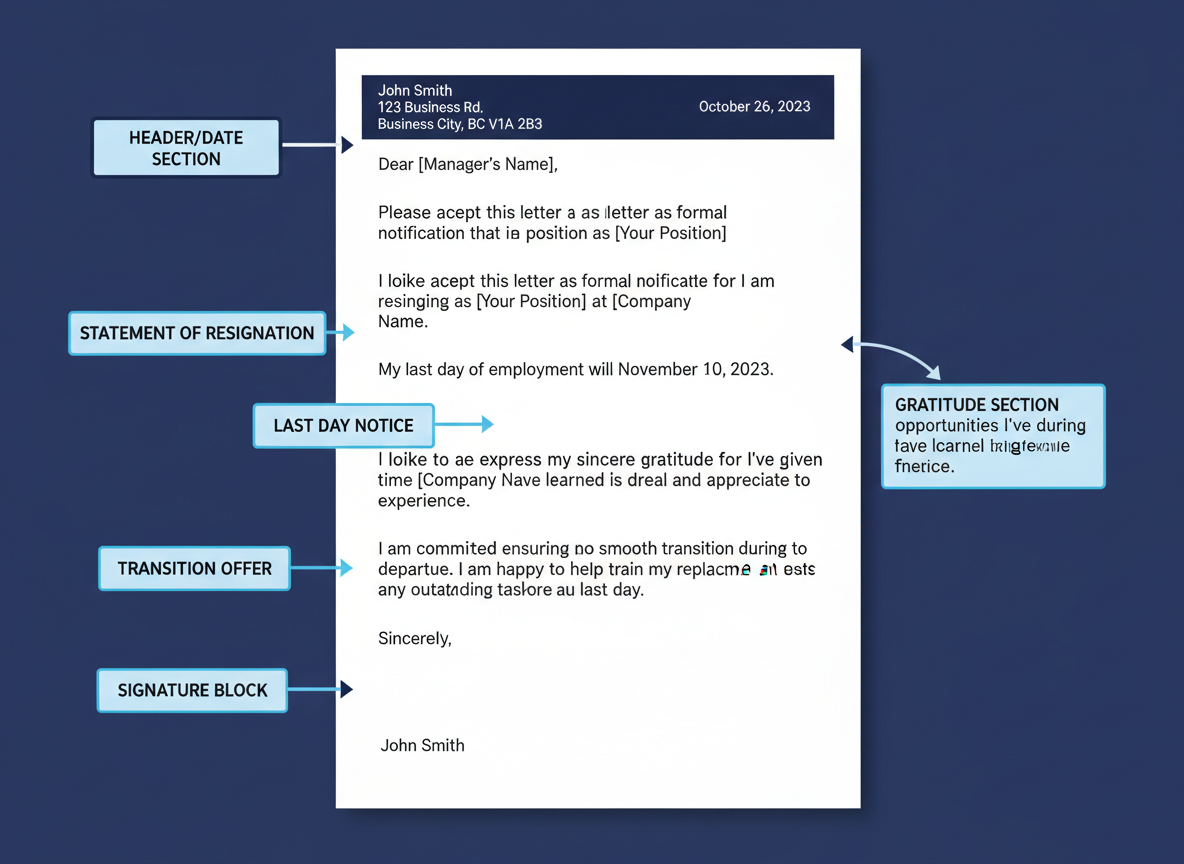
Your resignation letter doesn’t need to be complicated, but it needs specific components to protect you professionally.
Start with the basics: your position title and a clear statement that you’re resigning. Be direct—”I’m writing to resign from my position as Marketing Manager” works perfectly.
Next, include your last day of work with a specific date. This removes any confusion about your notice period. Most professionals give two weeks, but check your employment contract first.
Here’s where letter of resignation AI tools really shine—they help you nail the tricky parts. A brief reason for leaving isn’t required, but including one (even something vague like “pursuing new opportunities”) keeps things smooth. Skip the drama, even if you’ve got stories.
Always add an expression of gratitude. Find something positive about your experience, even if you’re leaving a nightmare situation. “Thank you for the opportunity to develop my skills” beats burning bridges.
Offer to help with the transition. This simple gesture can secure better references down the road. Finally, use proper business letter formatting with the date, recipient’s name and title, and company name at the top. Your professionalism here outlasts your tenure.
What NOT to Include: Common Resignation Letter Mistakes to Avoid
Your resignation letter isn’t the place to air grievances, no matter how tempting it feels. Here’s what to leave out:
Never include complaints about management or coworkers. That passive-aggressive jab at your micromanaging boss? Save it for your journal. These comments can follow you through industry networks and damage your professional reputation.
Skip excessive detail about why you’re leaving. You don’t owe anyone a dissertation. A simple “pursuing other opportunities” works perfectly. The too-much-information problem is real—oversharing creates unnecessary awkwardness and potential legal exposure.
Avoid salary or benefit complaints. Mentioning you’re leaving for better pay sounds purely transactional and unprofessional.
Don’t use emotional language or burn bridges. Words like “finally escaping” or “couldn’t tolerate anymore” might feel cathartic, but they’re career suicide. You never know when you’ll need a reference or cross paths with former colleagues.
Skip ultimatums, demands, and proprietary information references. Your resignation letter could become part of your permanent employment record. Anything negative, confidential, or confrontational can legally haunt you later—especially in disputes over non-compete clauses or severance negotiations.
Keep it brief, professional, and future-focused.
Industry-Specific Resignation Letter Examples (Healthcare, Tech, Education, Retail)
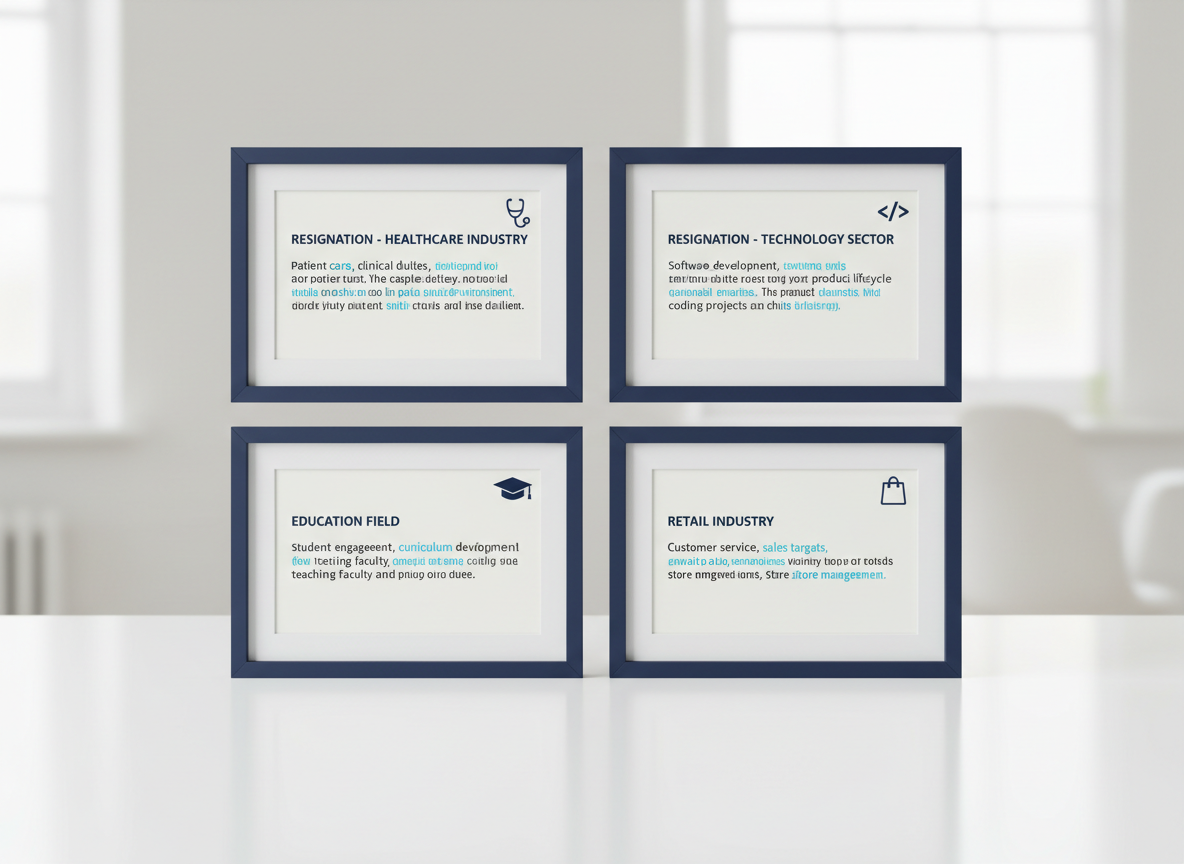
Your industry has unique expectations that generic resignation letters miss completely. Healthcare professionals can’t just walk away—patient care continuity matters. Tech workers need clean handoffs. Educators must consider their students’ academic journey.
Here’s how letter of resignation AI adapts to each field:
Healthcare Example:
“Dear Dr. Martinez, I’m resigning from my position as Registered Nurse, effective April 15, 2026. I’ll ensure complete patient care transitions and updated medical records for all assigned patients. My nursing license documentation will remain current through my departure date. I’m committed to training my replacement on specialized protocols for our cardiac unit.”
Technology Example:
“I’m resigning as Senior Developer, effective March 30, 2026. I’ll complete comprehensive code documentation for the mobile app project and conduct knowledge transfer sessions with the team. All repositories will include updated README files and architecture notes.”
Education Example:
“I’m submitting my resignation as 5th Grade Teacher, effective June 30, 2026, aligned with the academic calendar. This timing ensures students experience a smooth transition and allows adequate time for hiring my replacement before the fall semester.”
Retail Example:
“I’m resigning as Store Manager, effective March 1, 2026. I’ll work with you to train my replacement during peak holiday inventory cycles and ensure scheduling coverage for the team.”
Finance Example:
“I’m resigning as Financial Advisor, effective April 30, 2026. I’ll facilitate compliant client relationship transfers and complete all regulatory documentation per FINRA requirements.”
AI tools adjust formality, compliance language, and transition details based on your industry’s standards—saving you hours of research.
Resignation Letter Best Practices and Professional Etiquette
Getting your resignation timing right matters more than you’d think. The standard two-week notice works for most roles, but senior positions—like an Account Director or executive—typically require four weeks or more to ensure smooth transitions.
Always resign verbally first. Schedule a private meeting with your direct supervisor, deliver the news face-to-face (or via video call), then follow up with your written letter within 24 hours. Tuesday through Thursday mornings work best—avoid Mondays when everyone’s swamped and Fridays when decisions get delayed.
For delivery, printed letters handed directly to your manager show professionalism, but email works perfectly fine in remote settings. Just make sure you’ve had that verbal conversation first.
After submitting your resignation, keep these records: your original letter, any written responses, and documentation of your final projects. You’ll need these for future reference.
During your notice period, maintain the same work quality. Don’t mentally check out—your reputation follows you. If you receive a counter-offer, take 24 hours to think it through, but remember why you decided to leave in the first place. Most employees who accept counter-offers end up leaving within six months anyway.
Prepare for exit interviews by focusing on constructive feedback rather than burning bridges. Keep it professional, honest, and brief. Your industry’s smaller than you think.
How to Handle Difficult Resignation Situations (With AI-Generated Examples)
Let’s be honest—some resignations are tougher than others. When emotions run high or circumstances get complicated, a letter of resignation AI tool becomes your best ally. It helps you stay professional when you’d rather tell someone exactly what you think.
Scenario 1: Resigning from a Toxic Workplace
You need to leave without scorching the earth behind you. References matter, even from terrible jobs.
AI-Generated Example:
“Dear [Manager’s Name], I’m writing to formally resign from my position as [Title], effective [Date]. I’ve accepted an opportunity that better aligns with my long-term career goals. I’ll work diligently during my notice period to ensure a smooth transition. Thank you for the experience I’ve gained here. Best regards, [Your Name]”
Scenario 2: Leaving After Short Tenure
Stayed less than six months? Keep it simple and gracious.
AI-Generated Example:
“Dear [Manager’s Name], After careful consideration, I’ve decided to resign from my role as [Title], with my last day being [Date]. While my time here has been brief, I’ve learned valuable skills. However, I’ve accepted a position that better matches my career trajectory. I’m committed to making this transition as seamless as possible. Thank you for understanding. Sincerely, [Your Name]”
Scenario 3: Personal Relationships with Management
When your boss is also your friend, you’ll need two conversations—one personal, one professional.
AI-Generated Example:
“Dear [Manager’s Name], This is my formal resignation from [Position], effective [Date]. As we’ve already discussed personally, I’ve accepted a new opportunity. Our professional relationship has meant a great deal to me, and I hope we’ll stay connected. I’ll ensure all my projects are completed or properly handed off. With appreciation, [Your Name]”
Scenario 4: Joining a Competitor
Tread carefully here. Never mention the competitor’s name, and review your employment contract first.
AI-Generated Example:
“Dear [Manager’s Name], I’m submitting my resignation from [Position], effective [Date]. I’ve accepted another opportunity in my field. I understand the importance of confidentiality and will ensure all proprietary information remains secure during my transition. Thank you for the professional development opportunities. Respectfully, [Your Name]”
Scenario 5: Conflict with Management
Resist the urge to air grievances. That’s what exit interviews are for (maybe).
AI-Generated Example:
“Dear [Manager’s Name], Please accept this letter as formal notice of my resignation from [Position], effective [Date]. I’ve decided to pursue other opportunities. I’ll work to complete my current responsibilities during the transition period. Thank you for the opportunity. Best, [Your Name]”
Scenario 6: No Job Lined Up
You don’t owe anyone an explanation about your next move.
AI-Generated Example:
“Dear [Manager’s Name], I’m writing to resign from my position as [Title], with [Date] as my final day. I’m taking time to explore new directions in my career. I’m grateful for the experience and will ensure a thorough handover of my duties. Thank you for your understanding. Regards, [Your Name]”
Scenario 7: Leaving During Crunch Time
Timing’s never perfect. Show extra commitment to the transition.
AI-Generated Example:
“Dear [Manager’s Name], I’m resigning from my role as [Title], effective [Date]. I recognize this comes during a demanding period. I’m committed to documenting all processes, training my replacement if possible, and being available for questions during the transition. I appreciate the opportunities I’ve had here. Sincerely, [Your Name]”
How AI Maintains Your Professional Edge
Here’s where letter of resignation AI tools really shine—they remove emotion from emotionally charged situations. You type in what you’re really thinking, and the AI translates it into something you won’t regret sending. It’s like having a diplomatic filter that protects your professional reputation while you’re feeling anything but diplomatic.
AI-Generated vs. Manually Written Resignation Letters: Pros and Cons
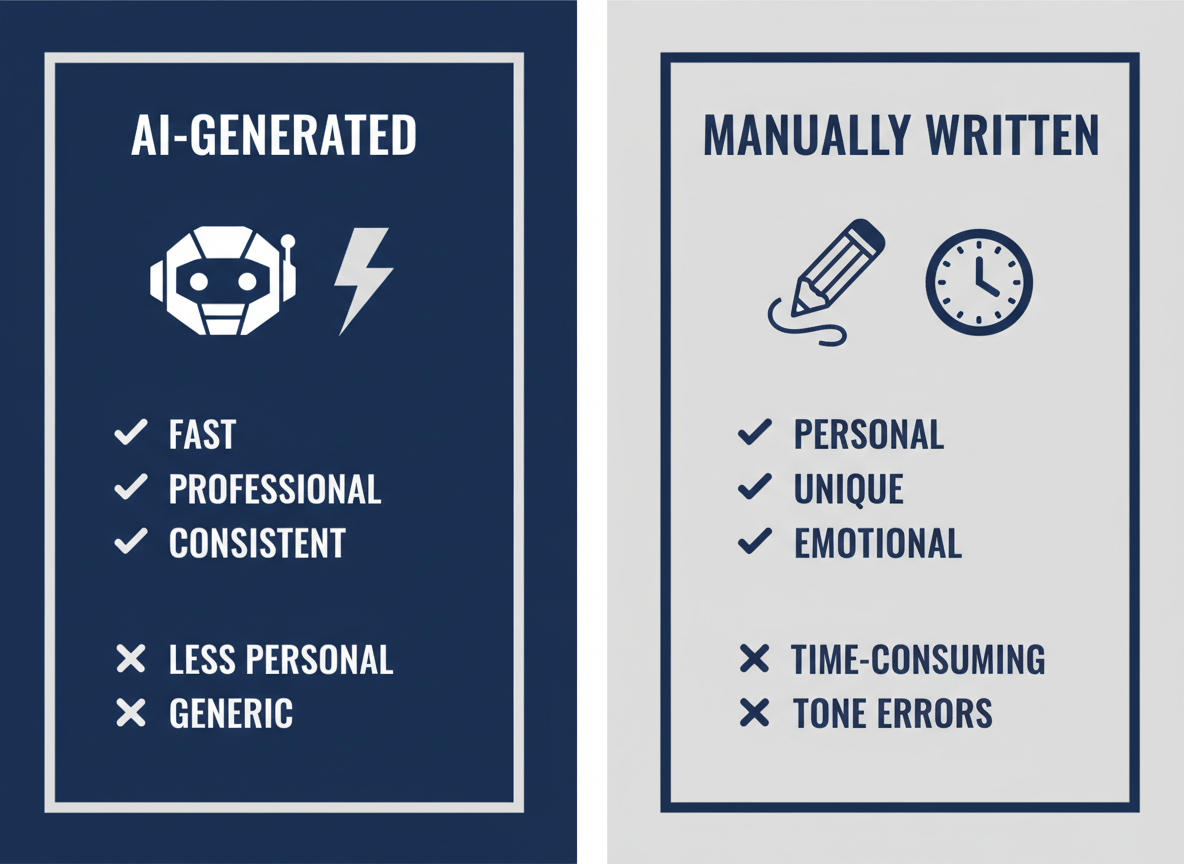
Here’s what you’ll discover when putting AI against traditional writing methods.
Speed tells the real story. AI churns out a polished resignation letter in roughly three minutes. Writing from scratch? You’re looking at 30-45 minutes, sometimes more if you’re second-guessing every sentence.
AI nails tone consistency. That’s its superpower. You won’t accidentally sound bitter or overly emotional—the algorithm keeps things professional throughout. Manual writing can swing wildly depending on your mood that day.
But customization? That’s where humans shine.
AI-generated letters handle standard scenarios beautifully. Two weeks’ notice from a marketing coordinator position? Perfect. But try explaining why you’re leaving after three months because your boss asked you to do something ethically questionable—AI struggles with nuance.
Senior executives should skip AI entirely. A C-level resignation deserves the personal touch that reflects years of strategic thinking.
Cost-wise, free AI tools beat the $50-200 professional writers charge. Though honestly, most people don’t need to hire anyone.
The sweet spot? Use AI as your foundation, then spend 10 minutes personalizing it. You’ll get that professional structure with authentic details only you can add. This hybrid approach combines efficiency with genuineness—the perfect middle ground.
Complete Resignation Process Checklist: Beyond Just the Letter
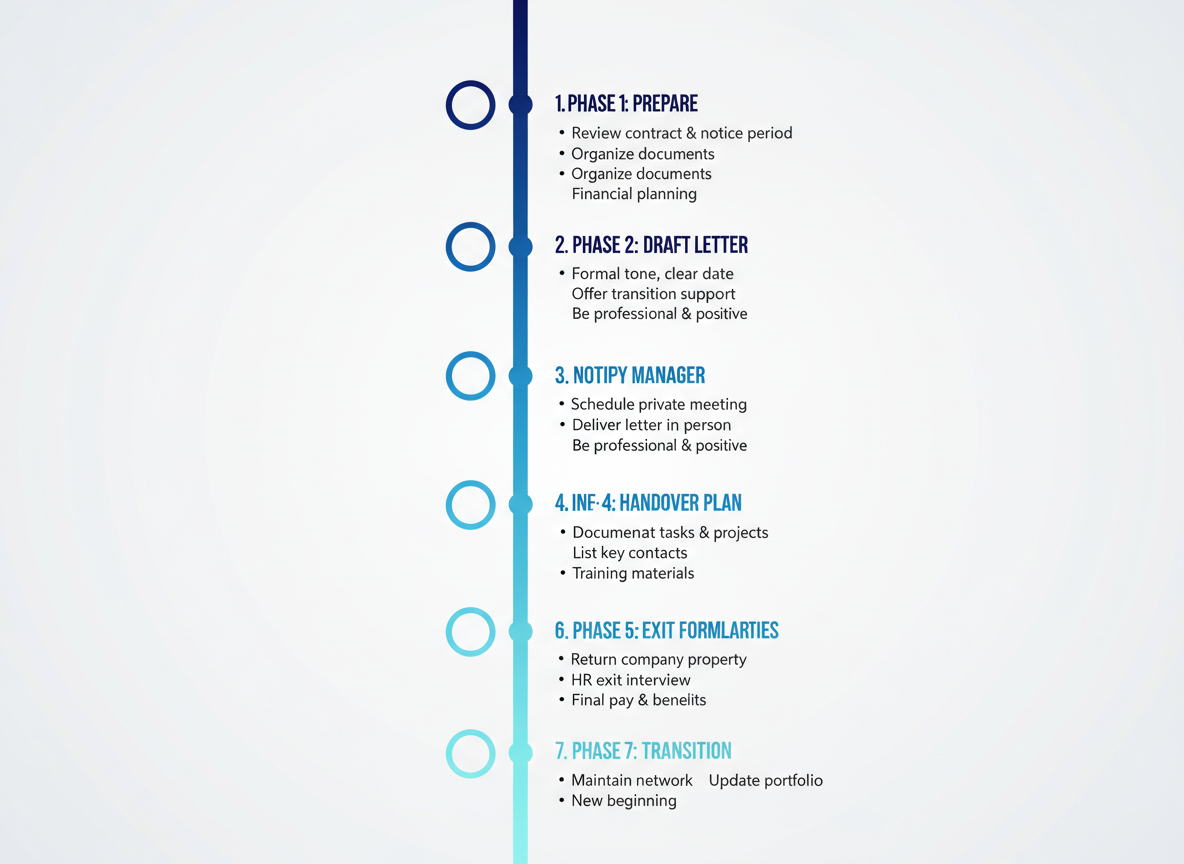
Writing your letter of resignation with AI is just one piece of the puzzle. Here’s what you’ll need before and after hitting send.
Before You Write Anything:
- Lock down that job offer in writing (not just a verbal “yeah, we’re interested”)
- Dig out your employment contract and scan for non-compete clauses or notice requirements
- Calculate your unused PTO, benefits timing, and 401(k) rollover options
The Writing Phase:
Use your chosen letter of resignation AI tool or craft it manually. Keep it simple and professional—this isn’t the time for creative writing.
Submission Day:
Request a private meeting with your manager. Don’t drop this bomb via email first. Hand them the letter in person (or video call if remote), then follow up with the written version.
During Your Notice Period:
- Create documentation for every process you own
- Train your replacement or team members who’ll absorb your responsibilities
- Finish strong on current projects
Exit Tasks:
Return laptops, badges, and company cards. Transfer passwords and knowledge. Request written references while relationships are fresh.
Final Steps:
Show up professionally for that exit interview. Collect your final paycheck and benefits paperwork. Keep those bridges intact—you never know.
After You’re Out:
Update your LinkedIn within 24 hours. Reach out to your network with your new role. Take time to reflect on what you’ve learned.
Download our complete resignation checklist to make sure you don’t miss a single step in this transition.
How Content Gorilla Can Automate Your Professional Writing Needs
While AI resignation letter generators solve one specific challenge, Content Gorilla handles your entire professional content ecosystem. You’re managing a career transition—why spend hours crafting resignation letters, LinkedIn updates, professional bios, and cover letters separately?
Content Gorilla lets you set up an entire year’s worth of professional documents in under three minutes. The platform automatically publishes and distributes content across multiple platforms, so your professional brand stays consistent whether you’re announcing your departure or promoting your next venture.
Here’s what sets it apart: 100+ language support means global professionals can maintain authentic voices across markets. The LinkedIn integration streamlines your professional presence during transitions—essential when you’re reshaping how the world sees you.
Use cases go beyond resignation letters. Generate cover letters for your next role, craft compelling professional bios, schedule LinkedIn posts that position you as a thought leader, and develop your personal brand statement that carries through every document.
For content creators managing both client work and career moves, Content Gorilla saves 15-20 hours weekly on professional writing while ensuring everything aligns with your evolving brand.
Frequently Asked Questions About AI Resignation Letters
Is it unprofessional to use AI to write a resignation letter?
Not at all. Think of AI as a writing assistant, like spell-check or grammar tools. What matters is that your final letter sounds professional and authentic. Plenty of people use AI to draft emails, reports, and yes—resignation letters. Just personalize it before sending.
How much notice should I give when resigning?
Two weeks is standard in most industries, but check your employment contract. Some positions require 30 days or more. If you’re in a senior role or specialized position, giving extra notice shows professionalism.
Can I resign via email or does it need to be printed?
Email’s perfectly acceptable these days, especially if you’re working remotely. Some companies prefer a printed letter for HR records, so follow up your email with a signed copy if that’s the case.
What if my employer asks me to leave immediately after resigning?
This happens more often than you’d think. They’ll usually pay you for your notice period anyway. Don’t panic—it’s rarely personal, just company policy around resignations.
Should I explain why I’m leaving in my resignation letter?
You don’t have to. A simple “pursuing new opportunities” works fine. Save detailed explanations for your exit interview if you want to share more.
Can my employer reject my resignation or force me to stay longer?
No, they can’t legally force you to stay (unless you’re under contract with specific terms). Resignation isn’t a request—it’s a notice. However, leaving on good terms means honoring your notice period when possible.
Do I need to give a reason for resigning?
Nope. Your resignation letter can be brief without explaining your reasons. You’re not obligated to justify your decision.
Should I tell coworkers before or after submitting my resignation?
Tell your manager first, always. After that conversation, you can share the news with close colleagues. Gossip travels fast, so control the narrative.
Can I retract my resignation after submitting it?
Sometimes, if your employer agrees. But don’t count on it—they may have already started looking for your replacement.
Are AI-generated resignation letters legally valid?
Absolutely. The tool doesn’t matter; the content and your signature do. Once you sign it, it’s legally binding.
Just like crafting a professional bio requires the right tone and structure (check out these bio examples for inspiration), your resignation letter needs the same attention to detail—whether you write it yourself or use AI assistance.

I am a full-time online marketer, for over a decade now. Helped over 100,000+ people & generated well over $12M in online sales.