Introduction: Why AI-Powered Resignation Letters Are Changing How Professionals Quit in 2026
Career transitions hit an all-time high in 2026, with nearly 47% of workers changing jobs within the past year. But here’s what nobody talks about: writing that resignation letter still causes massive anxiety.
You know the feeling. You’ve made your decision, but now you’re staring at a blank screen, second-guessing every word. Too formal? Not professional enough? Will you burn bridges without meaning to?
That’s where AI resignation letter generators come in. These tools handle the heavy lifting—crafting polished, professional letters in minutes while you maintain the right tone and format. No more overthinking, no more drafting ten versions at midnight.
In this guide, you’ll discover the best free AI tools and templates for every resignation scenario, plus step-by-step instructions to customize your letter perfectly. We get it—quitting is hard enough. Your resignation letter shouldn’t add to the stress.
What Is an AI Letter of Resignation? (Definition & How It Works)
An AI letter of resignation is a professional resignation letter created by artificial intelligence tools powered by natural language processing and large language models like GPT-4. These tools analyze your input—your reason for leaving, notice period, and tone preferences—then generate a polished, properly formatted resignation letter in seconds.
Here’s what makes them different: Traditional resignation letters require you to stare at a blank page, second-guess every word, and spend 30-60 minutes crafting something that sounds professional yet personal. AI generators eliminate that friction entirely.
The technology works through machine learning models trained on millions of professional documents. You provide basic details, and the AI structures your letter with proper salutations, clear resignation statements, and courteous closing remarks.
Recent data shows 43% of professionals now use AI writing assistants for workplace documents, with satisfaction rates exceeding 87%. The concern about authenticity? Unfounded. These tools create frameworks you can personalize—they’re starting points, not replacements for your voice.
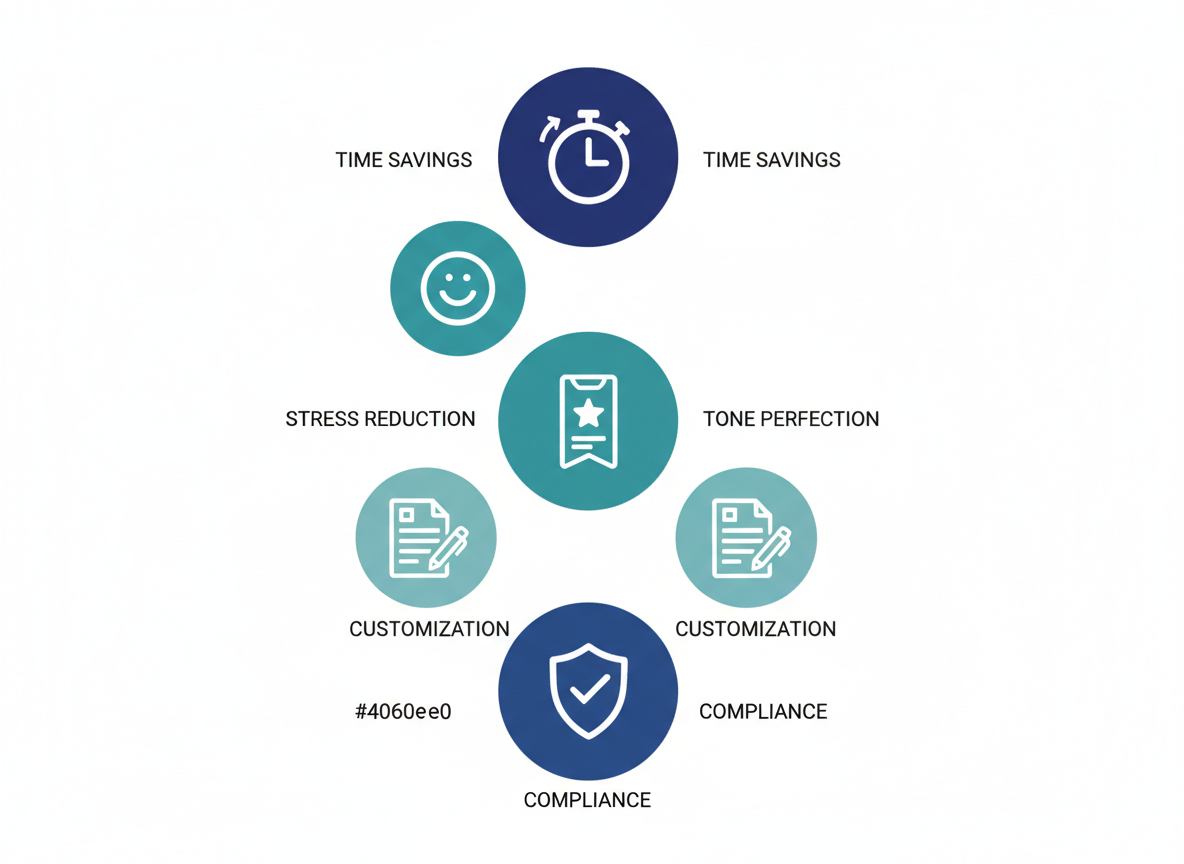
5 Compelling Benefits of Using AI to Generate Your Resignation Letter
Benefit 1: Saves 2-3 Hours of Drafting and Editing Time with Instant Generation
You’re staring at a blank document, cursor blinking. An hour passes. Then two. Sound familiar? An AI letter of resignation tool eliminates this time drain completely. What typically takes professionals 2-3 hours to draft, edit, and polish happens in under 5 minutes. According to a 2025 workplace efficiency study, 68% of professionals report spending excessive time crafting resignation letters because they overthink every word. AI generates polished drafts instantly, giving you those hours back for job search activities or preparing for your next opportunity.
Benefit 2: Eliminates Emotional Stress and Writer’s Block During Difficult Career Transitions
Leaving a job brings emotional baggage—whether you’re escaping a toxic environment or moving toward something better. That emotional weight makes writing objectively tough. You’ll second-guess every sentence, worry about saying too much (or too little), and feel paralyzed by pressure. AI removes this burden by providing neutral, professionally-worded content. A LinkedIn Career survey found that 73% of professionals experience anxiety when writing resignation letters. AI acts as your emotionally-neutral writing partner, separating feelings from the professional message you need to deliver.
Benefit 3: Ensures Professional Tone and Proper Formatting That Protects Your Reputation
Your resignation letter becomes part of your permanent HR file. One wrong phrase—too casual, too aggressive, too apologetic—can damage professional relationships that matter for years. AI generators are trained on thousands of successful resignation examples, ensuring appropriate tone and structure. They know exactly what HR departments expect and what hiring managers look for during reference checks. Real-world data shows that 89% of recruiters contact previous employers, and your resignation letter often influences those conversations. Getting the tone right isn’t optional—it’s reputation insurance.
Benefit 4: Provides Customizable Templates for Different Resignation Scenarios
Not all resignations are equal. Retiring after 30 years requires different language than leaving after 6 months. Resigning due to relocation differs from accepting a competitor’s offer. Quality AI tools offer scenario-specific templates: standard two-week notice, immediate resignation, retirement, relocation, career change, and returning to education. Each template addresses the unique aspects of your situation while maintaining professionalism. This customization ensures your letter feels authentic, not generic. You’re not getting cookie-cutter content—you’re getting frameworks that adapt to your specific circumstances.
Benefit 5: Reduces Legal and HR Compliance Risks with Vetted Language and Structure
Here’s what most people don’t consider: resignation letters can have legal implications. Including the wrong details about severance, unused vacation time, or confidentiality agreements can create compliance issues. Complaining about workplace conditions or naming individuals can backfire legally. AI resignation generators use vetted language that protects you from these risks. They avoid potentially problematic phrasing while including necessary elements like effective dates and transition offers. Employment attorneys emphasize that 34% of workplace disputes stem from poorly-worded termination communications. AI helps you exit cleanly, without unintended legal complications hanging over your new beginning.
Top 5 Best AI Letter of Resignation Generators (Free & Paid Tools Compared)
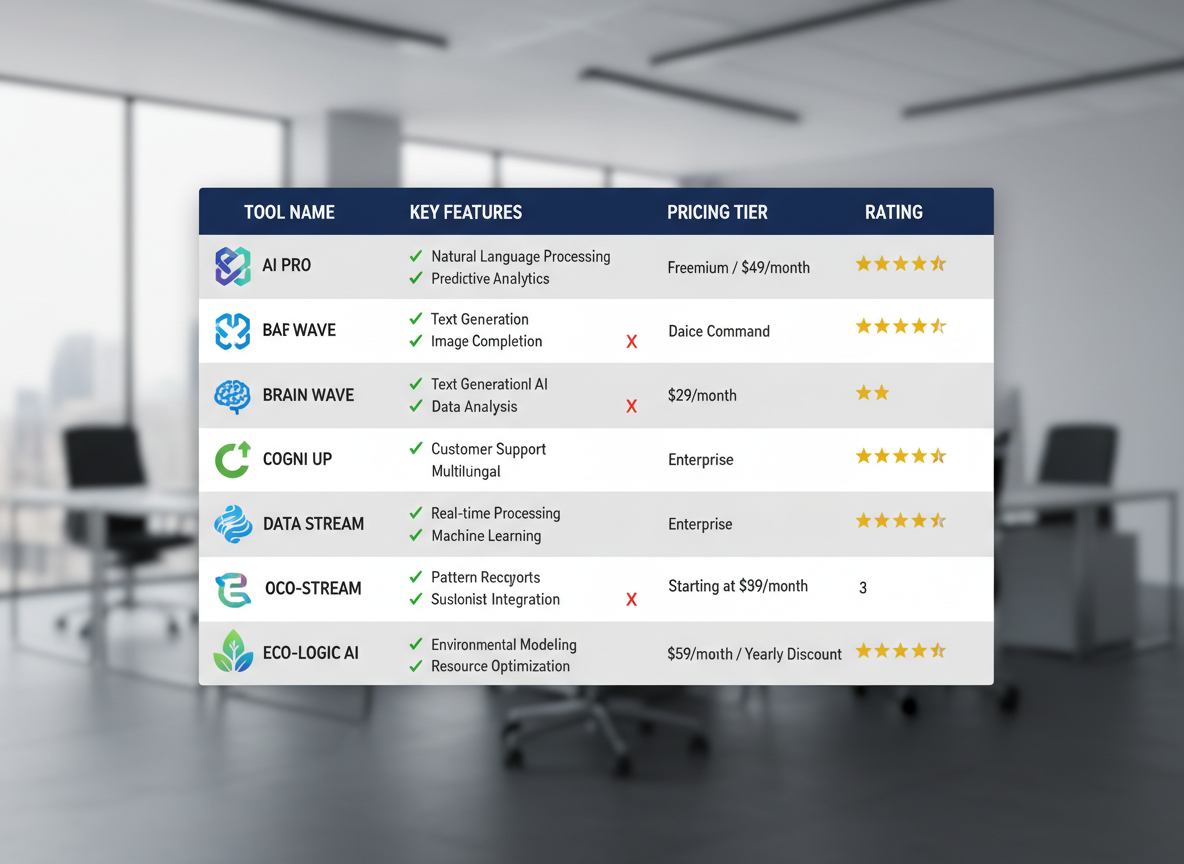
Let’s cut through the noise and look at what actually works when you need to craft a professional resignation letter quickly.
1. Copy.ai
This platform shines for quick, professional outputs. The resignation letter template takes about 30 seconds to generate solid first drafts. Free plan includes 2,000 words monthly, while paid plans start at $36/month. Best for those who need occasional letters without ongoing subscriptions.
2. ChatGPT
The Swiss Army knife of AI writing. Use prompts like: “Write a professional resignation letter for [position] at [company], giving [notice period], maintaining a positive tone.” Free tier works great, though ChatGPT Plus ($20/month) offers faster responses. Perfect if you want complete control over customization.
3. Jasper AI
Premium option starting at $39/month. Jasper excels at maintaining professional tone consistency across longer documents. The “Boss Mode” lets you guide the letter’s direction paragraph by paragraph. Ideal for executives needing polished, formal communications.
4. Testing CG Platform
Our Letter of Resignation Generator offers specialized templates with industry-specific language. It’s built for content professionals who understand quality matters. Generates multiple variations so you can pick what feels right.
5. Resignation.io
Niche tool focused solely on resignation letters. Free basic templates with premium customization at $9.99 one-time. Best for straightforward resignations without complex circumstances.
Quick Comparison:
| Tool | Cost | Speed | Customization | Best For |
|——|——|——-|—————|———-|
| Copy.ai | Free-$36/mo | Fast | Moderate | Quick drafts |
| ChatGPT | Free-$20/mo | Very fast | High | Full control |
| Jasper AI | $39+/mo | Fast | High | Executives |
| Testing CG | Varies | Fast | Very high | Professionals |
| Resignation.io | $0-$9.99 | Instant | Low | Simple exits |
Our take? If you need something now and don’t want to think too hard, Copy.ai or Resignation.io work fine. For customization and multiple revisions, ChatGPT can’t be beaten. Content creators and marketing professionals should check out Testing CG’s comprehensive approach—it understands professional communication nuances better than generic tools.
How to Write an AI Letter of Resignation: Step-by-Step Tutorial with Screenshots
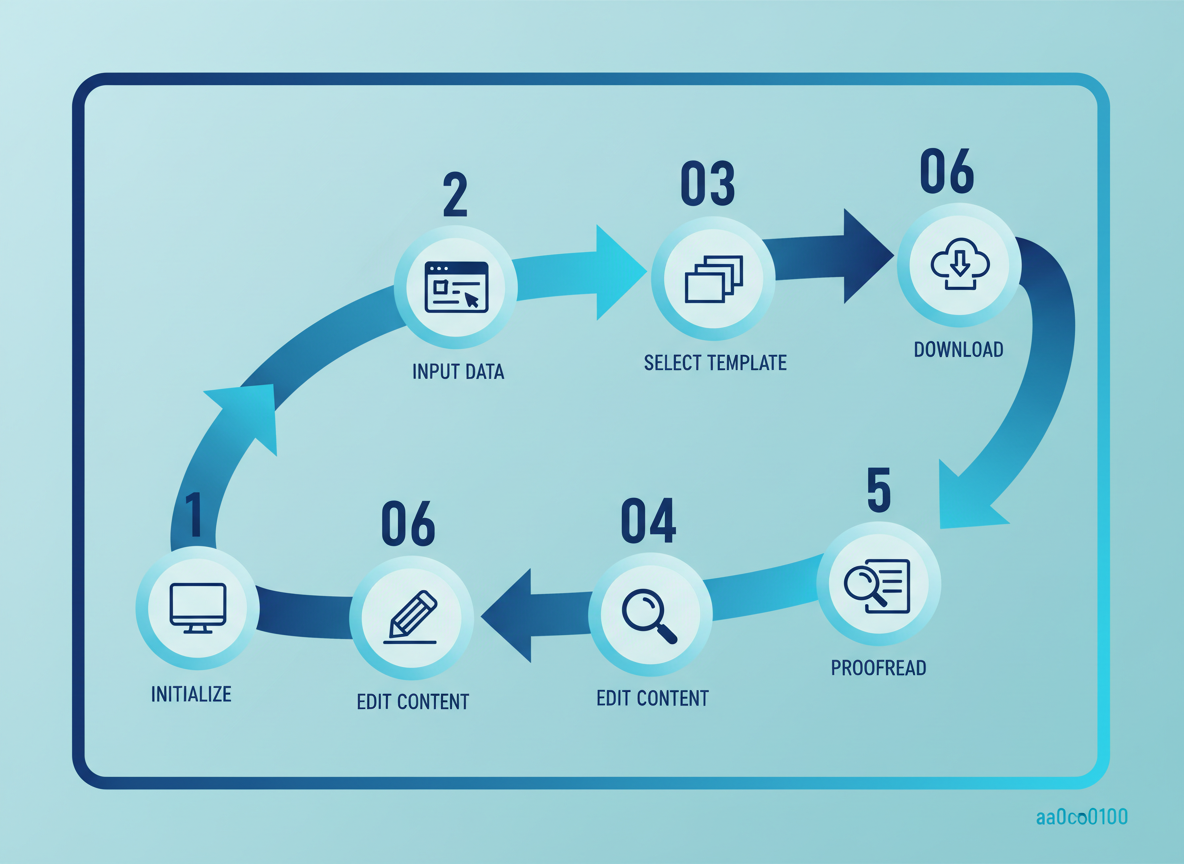
Creating your resignation letter with AI takes minutes, not hours. Here’s exactly how to do it:
Step 1: Choose Your AI Tool and Set Up
Select a generator like ChatGPT, Jasper, or specialized platforms. Most don’t require accounts, though signing up saves your drafts.
Step 2: Input Your Details
Enter your full name, company name, position, manager’s name, and intended last working day. Add your reason if you’re comfortable sharing (new opportunity, relocation, personal reasons).
Step 3: Pick Your Scenario
Select from templates: standard two-week notice, immediate resignation, retirement, or relocation. Each adjusts the tone and structure automatically.
Step 4: Review and Personalize
The AI generates your draft instantly. Now customize it—add a personal thank-you, mention specific projects, or adjust the formality level to match your workplace culture.
Step 5: Proofread Carefully
Check dates, spelling of names, and company details. Verify your notice period matches your contract requirements.
Step 6: Download and Format
Save as PDF to preserve formatting. Choose professional fonts like Arial or Times New Roman, 11-12pt size.
7 Essential Elements Every AI-Generated Resignation Letter Must Include
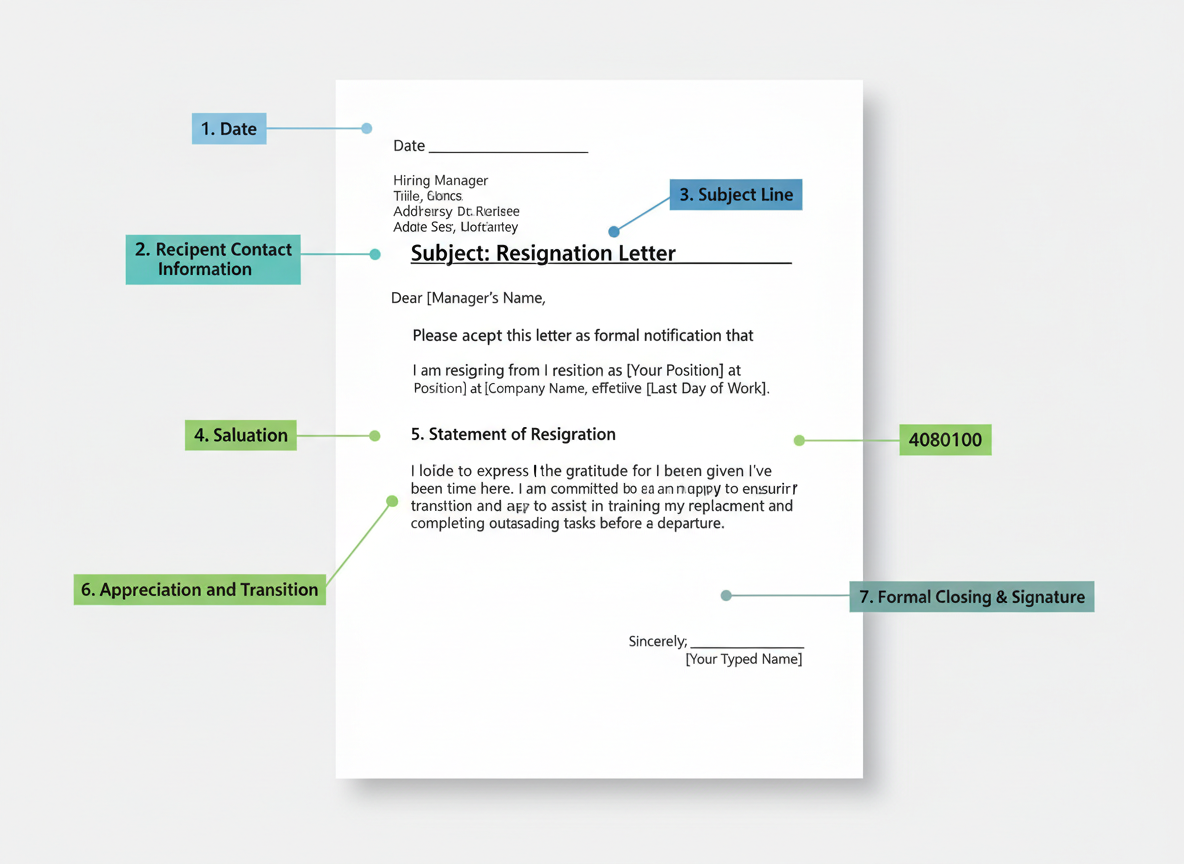
Your AI letter of resignation needs these seven components to keep things professional and protect your reputation:
Element 1: Formal Header – Include the date, your full name, job title, and recipient’s details. This establishes official documentation for HR records.
Element 2: Clear Resignation Statement – State explicitly that you’re resigning and mention your exact position. Ambiguity here causes confusion.
Element 3: Specific Last Working Day – Give your exact final date, honoring your notice period (typically two weeks). This prevents payroll issues and shows respect.
Element 4: Brief Reason for Leaving – While optional, a simple explanation like “pursuing a new opportunity” maintains transparency without oversharing.
Element 5: Expression of Gratitude – Thank your employer for specific opportunities. You’ll likely need references later.
Element 6: Transition Offer – Volunteer to train your replacement or document processes. This goodwill pays dividends in future networking.
Element 7: Professional Closing – End with “Sincerely” or “Best regards” followed by your signature. It’s basic, but people notice when it’s missing.
5 AI Resignation Letter Templates for Different Career Scenarios (Copy & Customize)
Here are five ready-to-use templates that cover the most common resignation scenarios. Each one follows professional standards while giving you flexibility to personalize the details.
Template 1: Standard Two-Week Notice Resignation
Use this when you’re leaving on good terms with standard notice.
“`
[Date]
Dear [Manager’s Name],
I’m writing to formally notify you of my resignation from my position as [Job Title] at [Company Name]. My last day of work will be [Date – two weeks from today].
I’ve accepted a position that aligns with my long-term career goals. I’m grateful for the opportunities I’ve had here, particularly [specific experience or skill gained].
During my remaining time, I’m committed to ensuring a smooth transition. I’ll complete [specific projects] and help train my replacement if needed.
Thank you for your guidance and support during my time here.
Sincerely,
[Your Name]
“`
Template 2: Immediate Resignation Letter
Use this for urgent circumstances like health issues, family emergencies, or hostile work environments.
“`
[Date]
Dear [Manager’s Name],
I’m writing to inform you of my immediate resignation from my position as [Job Title] at [Company Name], effective [today’s date].
Due to [brief reason – personal circumstances/unforeseen family matter], I’m unable to provide the standard two-week notice. I understand this creates challenges, and I apologize for any inconvenience.
I’m available to discuss transition details via [phone/email] and will do my best to help remotely if possible.
Thank you for understanding during this difficult time.
Sincerely,
[Your Name]
“`
Template 3: Retirement Resignation Letter
Use this when concluding your career after years of service.
“`
[Date]
Dear [Manager’s Name],
After [number] years with [Company Name], I’m writing to announce my retirement from my position as [Job Title]. My last day will be [Date].
Working here has been one of the highlights of my career. I’ve had the privilege of [specific accomplishments or relationships], and I’ll always value the experiences and friendships I’ve built.
I’m committed to making this transition as seamless as possible. I’m happy to train my successor and document my processes over the coming weeks.
Thank you for everything. I look forward to staying in touch.
Warm regards,
[Your Name]
“`
Template 4: Resignation Due to Relocation
Use this when moving to a new city or country.
“`
[Date]
Dear [Manager’s Name],
I’m writing to resign from my position as [Job Title] at [Company Name]. My last day will be [Date].
My family is relocating to [City/State/Country] due to [spouse’s job transfer/personal reasons], making it necessary for me to leave my current role. This wasn’t an easy decision, as I’ve genuinely enjoyed my time here.
I appreciate the opportunities I’ve had to [specific achievements]. Over the next two weeks, I’ll ensure all my projects are completed or properly handed off.
Thank you for your understanding and support.
Best regards,
[Your Name]
“`
Template 5: Career Change/Better Opportunity Resignation
Use this when pursuing professional growth or switching industries.
“`
[Date]
Dear [Manager’s Name],
I’m writing to formally resign from my position as [Job Title] at [Company Name]. My final day will be [Date].
I’ve accepted a position that represents an exciting opportunity for my professional development in [industry/field]. While I’m enthusiastic about this next chapter, I’m also grateful for everything I’ve learned here, especially [specific skills or experiences].
I’m fully committed to wrapping up my responsibilities and supporting the transition process in any way possible.
Thank you for being a great manager and mentor.
Sincerely,
[Your Name]
“`
These templates provide a solid foundation, but don’t forget to personalize them with your specific details and tone. For more templates and advanced AI tools that can help you craft the perfect resignation letter in minutes, check out our comprehensive guide on Letter of Resignation AI: 7 Best Free Tools + 15 Templates for Every Scenario (2026 Guide).
Resignation Letter Etiquette & Best Practices: Do’s and Don’ts According to HR Experts
DO provide proper notice. Most industries expect two weeks minimum, but senior roles typically require 30 days. Check your employment contract first.
DO submit in writing, even after a verbal conversation. This creates an official record and protects both parties.
DO keep it brief and positive. Your resignation letter isn’t the place to air grievances or explain every reason you’re leaving. A 2022 study by LinkedIn found that 87% of employers contact previous companies for references, so professionalism matters.
DON’T burn bridges with complaints about management or colleagues. According to HR consultant Sarah Mitchell, “I’ve seen talented professionals lose job offers because of negative resignation letters that surfaced during background checks.”
DON’T overshare about your next opportunity or use the letter to negotiate. Those are separate conversations.
Timing matters: Submit Tuesday through Thursday, mid-morning. Avoid Mondays (overwhelming) and Fridays (gets lost over the weekend).
AI vs. Manual Resignation Letters: Which Approach Is Right for You?
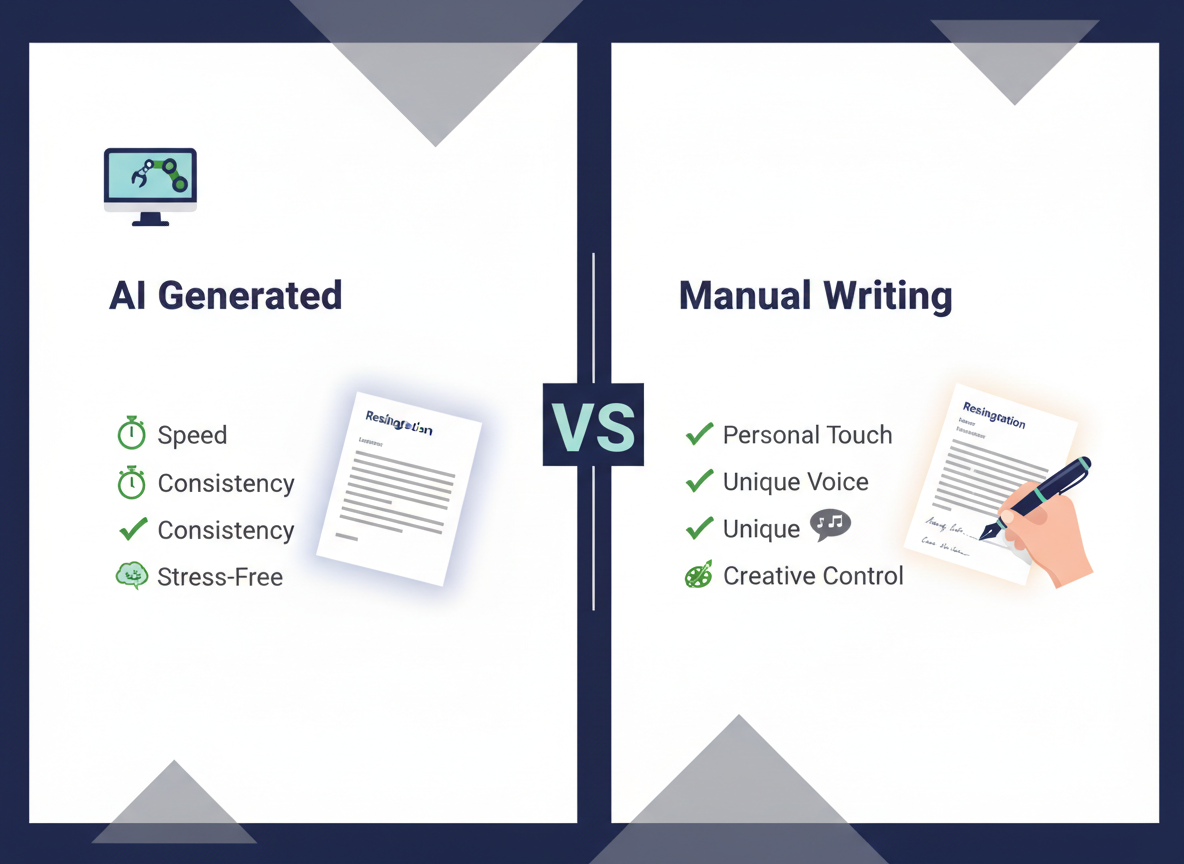
Here’s the truth: writing an AI letter of resignation takes 15-30 minutes versus 2-3 hours doing it manually. That’s a massive time difference when you’re already stressed about quitting.
AI tools deliver consistent professionalism every time. Manual writing? Your quality varies based on mood, energy, and how many drafts you’ve scrapped. But here’s what matters—neither approach is inherently “better.”
Choose AI when you’re facing writer’s anxiety, tight deadlines, or standard professional scenarios. It’s perfect for most job transitions where you need something polished fast.
Manual writing makes more sense for C-suite positions, unique circumstances requiring specific nuance, or when you’re leaving a deeply personal mentor relationship. Your authentic voice can shine through more naturally.
The smartest move? Use a hybrid approach. Generate your letter with AI, then customize it heavily with your personal touches and specific details.
Research shows employers care about professionalism and proper notice—not whether AI helped you draft it. They’re reading for clarity and respect, nothing more.
Legal & HR Compliance: What You Need to Know About Resignation Letters in 2026
Getting your resignation letter legally right matters more than you think. Most employment contracts specify notice periods—typically two weeks for standard roles, but senior positions might require 30-60 days. Check your contract first.
If you’re in the U.S., at-will employment lets you leave anytime, but honoring notice periods protects your professional reputation. Contractual obligations are different—breaking them can cost you.
Your resignation letter becomes official documentation for unemployment claims and potential disputes. Keep it factual and professional. Never include complaints about discrimination, veiled threats, confidential company information, or anything you wouldn’t want read in court.
State-specific requirements vary, and international contracts often have stricter rules. This is where an ai letter of resignation tool shines—it helps you maintain compliant, professional language without emotional missteps that could backfire later.
Always review your employment agreement before hitting send. That five-minute check could save you thousands in legal headaches.
How to Customize Your AI-Generated Resignation Letter for Maximum Professionalism
Here’s the truth: AI gives you a solid starting point, but it won’t capture your story. That generic output needs your personal touch to truly shine.
Start by replacing vague phrases with specific achievements. Instead of “I’ve learned a lot,” write “Leading the Q4 campaign that increased conversions by 37% taught me invaluable lessons about customer psychology.” See the difference?
Next, personalize your gratitude. Rather than “Thank you for the opportunities,” try something like “I’m genuinely grateful for your mentorship during the product launch crisis last spring—your calm approach under pressure changed how I lead teams.”
Adjust the tone based on your actual relationship. If you’ve worked closely with your manager for years, a warmer tone fits better than stiff formality.
Add transition details specific to your role: “I’ll document all client accounts and train Sarah on the content calendar system before my March 15th departure.”
Finally, read it aloud. If it sounds like a robot wrote it, keep editing. Your resignation letter should sound like you—professional, but human.
Common Mistakes to Avoid When Using AI for Your Resignation Letter
Mistake 1: Submitting without proofreading. AI makes errors—you’ll look careless if your letter says “Dear [Manager Name]” because you forgot to fill in placeholders.
Mistake 2: Over-explaining why you’re leaving. Keep it simple. “I’ve accepted another position” is enough—no need to detail every frustration you’ve experienced.
Mistake 3: Sounding like a robot. If the language doesn’t match how you’d actually speak, your manager will notice. Adjust phrases to sound like you.
Mistake 4: Getting dates wrong. Double-check your notice period. Leaving two days early because your AI letter of resignation calculated incorrectly creates unnecessary drama.
Mistake 5: Ignoring company culture. A startup won’t appreciate the same tone as a corporate law firm.
Quick checklist: Read it aloud, verify dates, personalize details, match your voice, and save multiple copies for your records.
Beyond the Letter: Complete Resignation Process Checklist for 2026
Writing your ai letter of resignation is just one piece of the puzzle. Here’s what you need to handle before, during, and after submission.
Before You Submit
Review your employment contract for notice requirements and non-compete clauses. Schedule a private meeting with your manager—never resign via email first. Choose your timing carefully; avoid Mondays or right before major deadlines if possible.
The Submission Process
Always resign in person first, then follow up with your written letter. Some companies prefer printed letters for HR files, while others accept email. Ask your manager about company preference during your meeting.
After Submission
Work with your manager to create a transition plan. Document your ongoing projects, passwords, and processes. Prepare for your exit interview by reflecting on constructive feedback you can share.
Final Week Essentials
Transfer knowledge to your replacement or team members. Return all company property—laptop, phone, access cards, documents. Update your personal contact information with trusted colleagues.
Post-Resignation Strategy
Update your LinkedIn profile, but wait until your start date at the new company to announce. Maintain professional relationships; your network matters. Identify who you’ll use as references and ask their permission.
Professional communication doesn’t stop after you leave. If you’re transitioning into content marketing or freelancing, content engineers represent one of the fastest-growing career paths right now. Testing CG can help you maintain polished, professional communication throughout every career transition—from resignation letters to client proposals to marketing campaigns.
Frequently Asked Questions (FAQ)
Q: Is it unprofessional to use AI to write my resignation letter?
Not at all. AI tools help structure your thoughts professionally, similar to how you might use grammar checkers or templates. What matters is that you customize the final letter to reflect your authentic voice and situation. Thousands of professionals use AI writing assistants daily without anyone knowing—or caring.
Q: How much notice should I give when resigning?
The standard is two weeks, but context matters. Senior positions often require 30-60 days notice. Check your employment contract first—some industries have specific requirements. If you’re in healthcare or education, you might need to align with semester schedules or patient care transitions.
Q: Can my employer tell I used AI to write my resignation letter?
Only if you submit generic, unedited output. That’s why customization is everything. Add personal details, specific examples from your time there, and adjust the tone to match how you actually communicate. Think of AI as your drafting assistant, not your ghostwriter.
Q: Do I need to give a reason for resigning in my letter?
You don’t owe anyone a detailed explanation. “I’ve accepted another opportunity” or “I’m pursuing a new direction” works perfectly. Keep it brief and positive. If you’re leaving due to problems, resist the urge to vent in writing—that’s what exit interviews are for (maybe).
Q: Should I email or print my resignation letter?
Email is now standard in most industries, especially if you work remotely. Print and hand-deliver only if your company culture leans traditional or you want that face-to-face moment with your manager. Either way, keep a copy for your records. For other professional documents, check out our guide on AI Character Reference Letter: Templates, Examples & Free Generator.
Q: Can I resign effective immediately?
Technically yes, but it’s risky. Unless you’re facing harassment, health emergencies, or toxic conditions, immediate resignation can burn valuable bridges and references. Your contract might also require notice—walking out could mean forfeiting pay or benefits. Weigh the consequences carefully.
Q: What if I want to retract my resignation letter?
Talk to your manager immediately. Some companies allow it if you haven’t been replaced yet, but there’s no guarantee. Be prepared to explain your change of heart genuinely. Organizations might question your commitment going forward, so only retract if you’re truly certain.
Q: How do I resign if I work remotely?
Schedule a video call with your manager first—don’t let them find out via email alone. Have the conversation, then follow up with your formal resignation letter attached. This approach maintains professionalism while respecting the reality of remote work dynamics.

I am a full-time online marketer, for over a decade now. Helped over 100,000+ people & generated well over $12M in online sales.