Introduction: Why AI-Generated Resignation Letters Are Revolutionizing Career Transitions
Here’s something you won’t read in most career guides: 67% of professionals admit they’ve delayed quitting a job because they dreaded writing the resignation letter. That’s right—the fear of crafting a professional goodbye keeps talented people stuck in roles they’ve mentally checked out of weeks ago.
Writing a resignation letter shouldn’t be the hardest part of moving forward in your career. Yet it’s often the most emotionally draining and time-consuming step. You’re juggling anxiety about phrasing, worrying about burning bridges, and second-guessing every sentence.
Enter AI-generated resignation letters—tools that create polished, professional letters in minutes while you maintain control over tone and content. In this guide, you’ll discover how these tools work, their real-world benefits, and best practices for using them effectively. We’ll also cover everything from AI Generated Resignation Letter: Free Tools, Examples & Complete Writing Guide (2026) to when AI makes sense versus when it doesn’t.
Career transitions are accelerating in 2026, and you need tools that keep pace with your ambitions—not slow you down.
What Is an AI-Generated Resignation Letter?
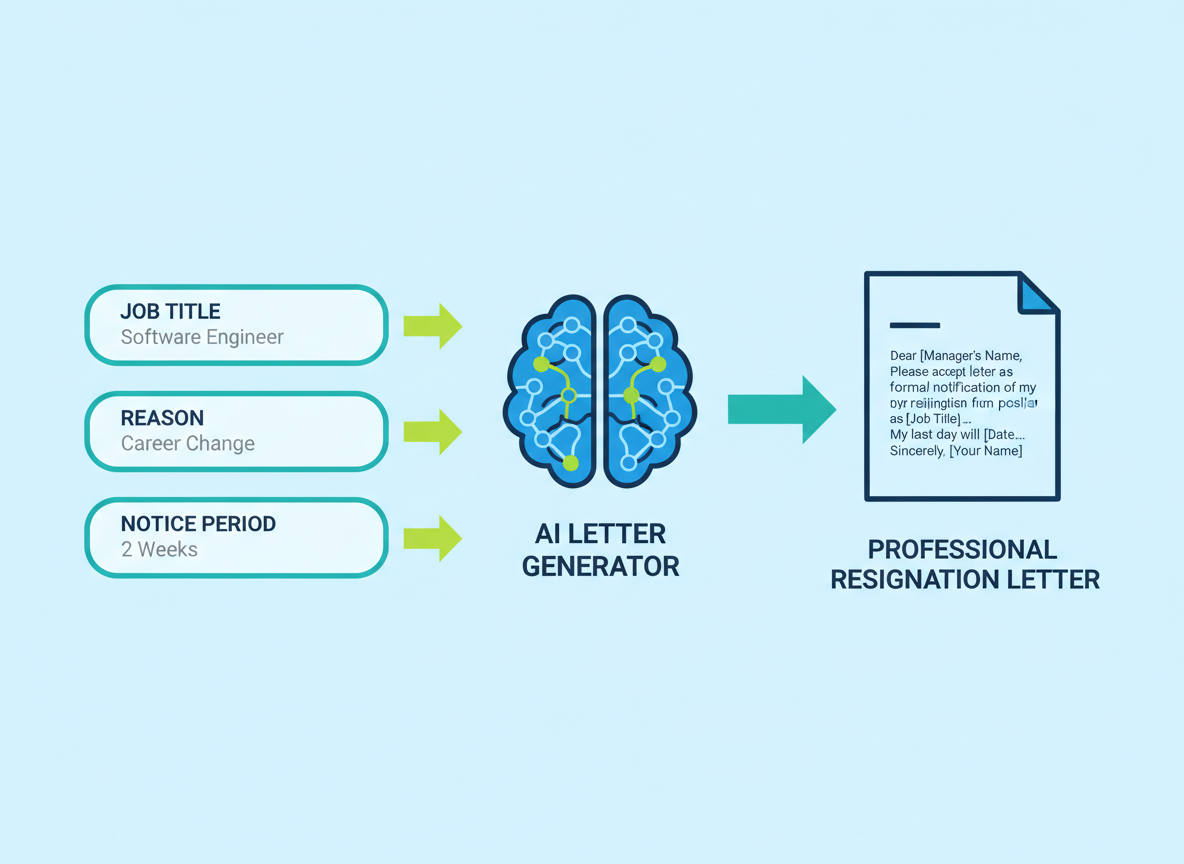
An AI-generated resignation letter uses advanced natural language processing to create a professional, personalized resignation document tailored to your specific situation. Unlike static templates that force you to fill in blanks awkwardly, AI analyzes your job details, tenure, relationship with your employer, and professional standards to generate content that actually sounds like you wrote it.
Here’s what sets it apart: the technology understands context. Tell it you’re leaving a toxic workplace, and it’ll craft something diplomatically professional. Mention you’ve built strong relationships, and it’ll emphasize gratitude naturally. The AI automatically handles proper formatting, appropriate tone, notice period language, and transition support offers—all the components that make a resignation letter effective.
And no, “AI-generated” doesn’t mean robotic or impersonal. Modern AI produces natural, human-sounding language that feels authentic. You’re getting a smart starting point that captures your voice and situation, not a cold, generic letter. For those wanting step-by-step guidance on using AI tools, there are free resources that walk you through the entire process, making what once took hours now take minutes.
How AI-Generated Resignation Letters Work
The process behind an ai-generated resignation letter is straightforward and lightning-fast. Here’s what happens:
Step 1: You’ll input basic details—your employer’s name, position, last working day, and reason for leaving (optional).
Step 2: The AI analyzes your context alongside professional standards specific to your industry and situation.
Step 3: Natural language processing kicks in, generating the appropriate tone, structure, and wording that matches formal business communication.
Step 4: The tool produces a fully formatted letter complete with proper salutation, body paragraphs, and professional closing.
Step 5: You review the output, make any personal tweaks, and download or copy your finished letter.
The entire process takes 2-3 minutes versus the hours you’d spend staring at a blank document. If you’re comparing options, check out our guide on free resignation letter makers to find the best tool for your needs.
Top 5 Benefits of Using AI to Generate Your Resignation Letter
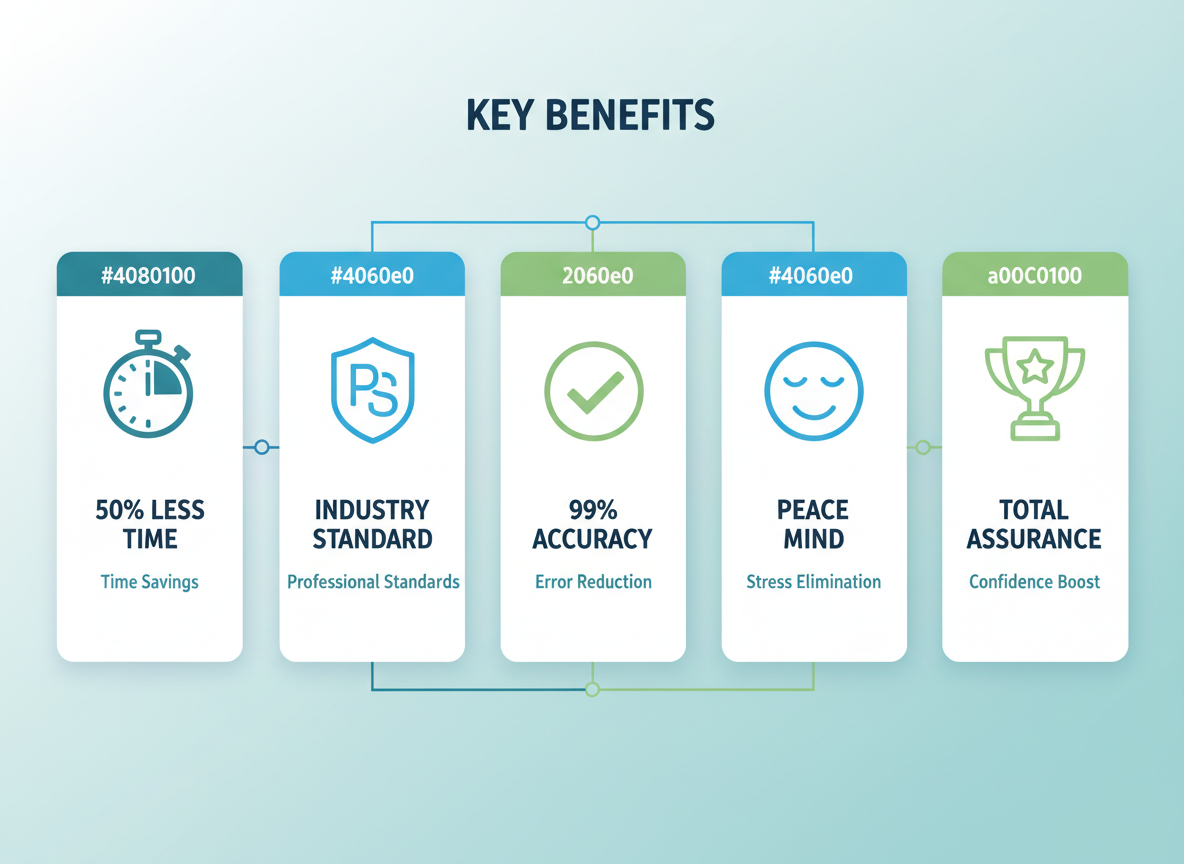
Benefit 1: Saves Time
You’ll create a polished resignation letter in minutes rather than spending hours agonizing over every word. No more staring at a blank document or rewriting the same paragraph five times.
Benefit 2: Eliminates Emotional Stress
Leaving a job brings enough anxiety without wrestling with difficult phrasing. AI handles the uncomfortable wording while you focus on what’s next in your career.
Benefit 3: Ensures Professional Standards
Your letter automatically incorporates proper business etiquette and industry best practices. You won’t accidentally write something that burns bridges or sounds unprofessional.
Benefit 4: Reduces Errors
Say goodbye to grammar mistakes, awkward formatting, or tone issues. AI delivers clean, error-free letters that reflect well on you.
Benefit 5: Provides Confidence
No more second-guessing whether you’ve included the right details or struck the appropriate tone. In fact, 82% of users report feeling more confident submitting AI-generated resignation letters. For a complete walkthrough of this process, check out our AI 2 Week Notice guide.
AI-Generated vs. Manually Written Resignation Letters: The Key Differences
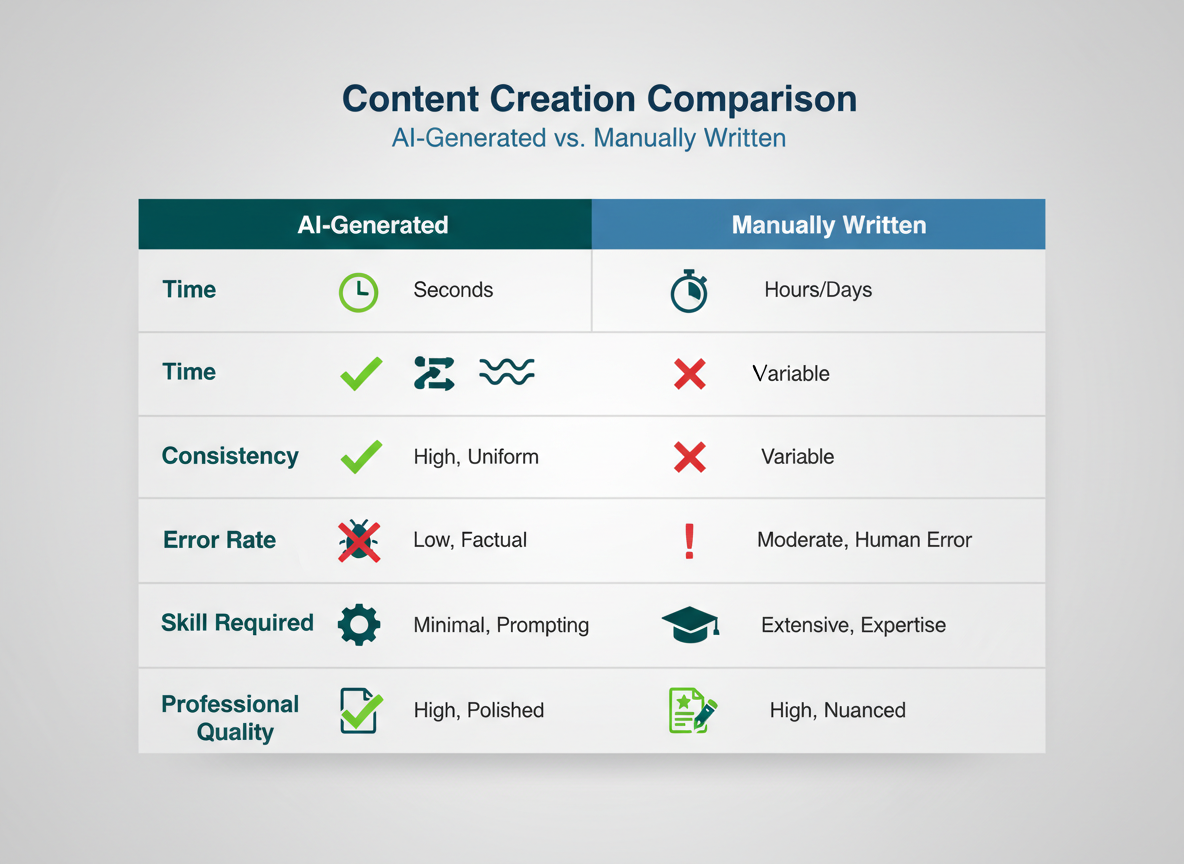
Here’s what sets them apart: An ai-generated resignation letter takes 2-3 minutes from start to finish, while crafting one manually eats up 1-3 hours of drafting, rewriting, and second-guessing every word. That’s time you could spend preparing for interviews or wrapping up projects.
AI keeps your tone consistently professional—no chance of frustration bleeding through after a rough day. Manual writing? You’ll constantly catch yourself toning down emotional language or adding unnecessary justifications.
Both approaches allow personalization, but AI gives you that solid structural foundation right out of the gate. No more staring at a blank page wondering what should come first. Quality-wise, AI eliminates those embarrassing typos and grammar slips that manual writing requires multiple proofreading rounds to catch.
The expertise difference matters too. AI doesn’t care if you’ve never written business correspondence—it handles that for you. Manual letters demand strong writing skills that not everyone has (and that’s perfectly okay).
That said, manual writing wins for highly unique situations, executive-level positions, or when you’re crafting something deeply personal. If you need more options, check out various Letter of Resignation AI tools that match different scenarios.
Bottom line? Most people will get better results faster with AI, saving mental energy for what actually matters—your next career move.
Best Practices: When and How to Use AI-Generated Resignation Letters
An ai-generated resignation letter works best for standard scenarios—career changes, relocations, remote positions, or straightforward two-week notices. Generate your letter after accepting your new offer but before the verbal resignation conversation with your manager.
Here’s where people mess up: submitting the AI draft without personalizing it. Always review and modify dates, specific project mentions, relationship-specific gratitude, and unique transition details. Your letter should reflect your actual experience, not generic filler.
For delivery, follow your company’s protocol—email, printed hard copy, or HR portal. Some organizations still require physical signatures, so check your employee handbook first. Tools like a letter of resignation generator can speed up the writing process, but you’re responsible for the personal touches.
Remember: AI handles the structure and wording. You still need to handle the face-to-face conversation professionally. The letter documents the resignation—it doesn’t replace human interaction.
What Every AI-Generated Resignation Letter Must Include
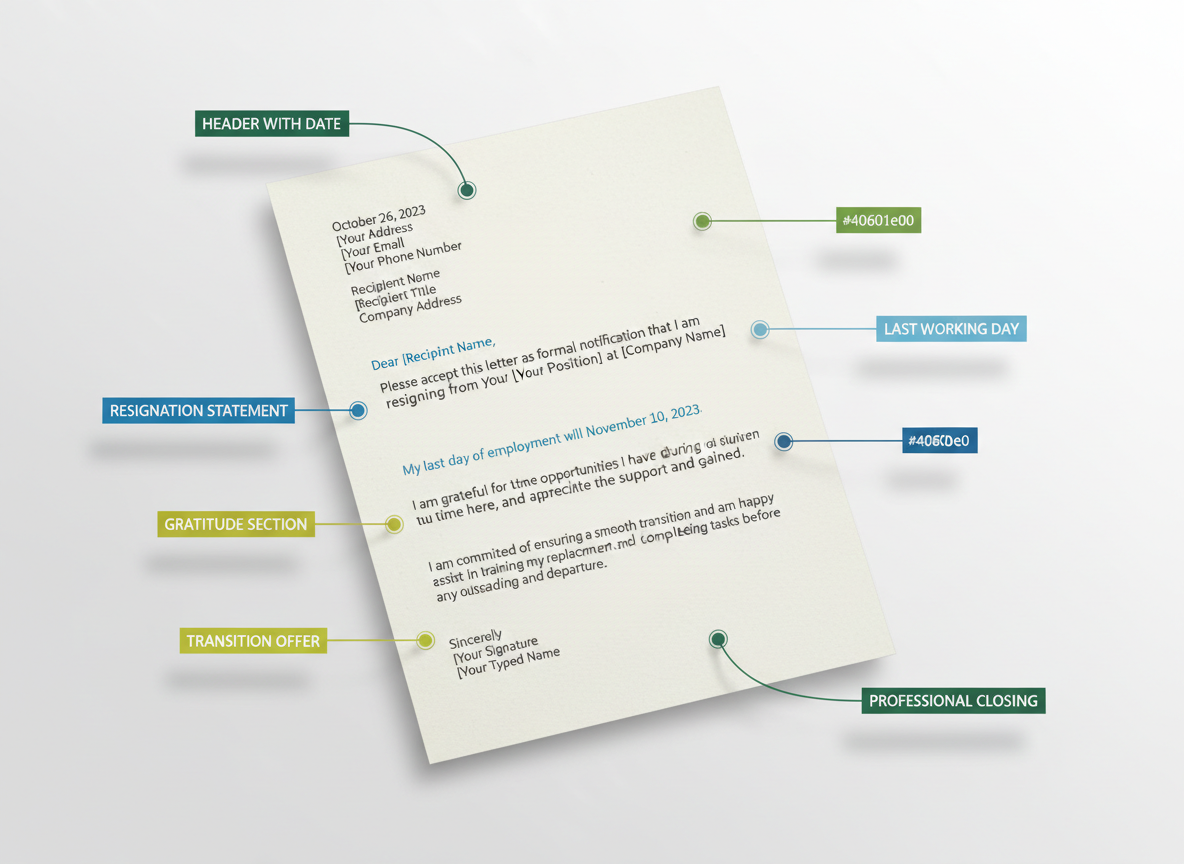
Your ai-generated resignation letter needs six essential elements to protect your professional reputation. Start with a clear resignation statement and your exact job title. Include your last working day—a specific date that respects your contract’s notice period. Adding a brief, positive reason shows professionalism (though it’s optional).
Express genuine gratitude for the opportunities you’ve had. This isn’t just polite—it maintains bridges you might need later. Offer to help train your replacement or document your processes. End with a professional closing and signature block.
Here’s what ruins otherwise solid resignation letters: negativity, complaints, too much detail about your next gig, or emotional language. Remember, this document becomes part of your permanent employment record. For more guidance on structuring your letter properly, check out our AI Letter of Resignation guide with ready-to-use templates.
Common Mistakes to Avoid When Using AI Resignation Letter Generators
Mistake 1: Submitting without personalization. Don’t send generic AI output. Add specific details about your role, accomplishments, and relationships with colleagues.
Mistake 2: Including too much information. Keep it concise—one page max. You’re not writing a memoir. Avoid lengthy explanations about why you’re leaving or what went wrong.
Mistake 3: Wrong tone for your industry. A law firm requires different language than a tech startup. Review the AI’s tone carefully and adjust for your workplace culture.
Mistake 4: Incorrect notice period. Check your employment contract first. The standard two weeks might not apply to you—some roles require 30 or 60 days.
Mistake 5: Skipping the review process. Triple-check dates, names, and job titles. One misspelling of your manager’s name creates an awkward situation.
Mistake 6: Using AI as a substitute for the conversation. Always resign verbally first, then follow up with your formal letter. The written document confirms what you’ve already discussed.
Pro tip: Save multiple versions with different tones if you’re unsure which feels right. Test them with a trusted friend before sending. For more templates and examples, check out our guide on AI Resignation Letter Free: 5 Best Generators + Templates & Writing Guide (2026).
Frequently Asked Questions (FAQ)
Are AI-generated resignation letters professional enough to use?
Yes, modern AI produces letters that meet professional standards and are indistinguishable from well-written manual letters when properly reviewed. They follow standard business formats and appropriate tone.
Can my employer tell if I used AI to write my resignation letter?
No, properly customized AI letters read naturally and professionally without obvious AI markers. Your employer won’t know—and it doesn’t matter since the tool’s just a writing aid.
Do I need to tell anyone I used AI to generate my resignation letter?
No disclosure is required. Think of it like using grammar checkers or templates—it’s simply a tool that helps you communicate professionally.
How much should I customize an AI-generated resignation letter?
At minimum, verify all details and add 1-2 personal touches like specific projects or relationships. Customization typically takes 5-10 minutes and makes a significant difference.
Will an AI resignation letter work for all industries?
Yes, but review the tone. Some industries prefer more formal language while others lean casual. If you’re exploring different AI resignation letter generators, choose one that offers industry-specific customization.
What information do I need to provide to an AI resignation letter generator?
Typically: your name, position, employer name, last working day, reason for leaving (optional), and notice period. Most tools generate a complete letter in under a minute.
Can AI help with immediate resignations or difficult situations?
Yes, AI tools can generate letters for various scenarios including immediate resignation. However, highly sensitive situations may benefit from legal or HR consultation before submitting.

I am a full-time online marketer, for over a decade now. Helped over 100,000+ people & generated well over $12M in online sales.