Why You Need a Free Resignation Letter Maker in 2026
You’ve decided to move on. The job offer came through, or maybe you’re finally launching that side hustle full-time. But now you’re staring at a blank screen, wondering how to put “I quit” into words that won’t torch your professional reputation.
You’re not alone. With job turnover hitting 43% in 2026 (up from 38% in 2023), millions of professionals face this exact moment every month. Here’s what keeps them up at night: saying the wrong thing, forgetting crucial details, or accidentally creating legal headaches.
A sloppy resignation can haunt you. References get checked. Industries are smaller than you think. Former managers become clients or colleagues again.
That’s where a free resignation letter maker changes everything. These AI-powered tools generate polished, professional letters in seconds—no awkward phrasing, no legal missteps, no formatting nightmares. Just copy, customize slightly, and send.
This guide walks you through the best AI resignation letter generators available right now, shows you what makes each one worth using, and helps you quit with confidence. Whether you’re leaving on good terms or escaping a toxic situation, you’ll know exactly what to write.
What Is a Free Resignation Letter Maker?

A resignation letter maker is an online tool that generates professional quit letters in minutes. Unlike static templates you’d find in Word docs, AI-powered generators ask targeted questions about your situation, then craft personalized content that sounds genuinely human.
Here’s the difference: traditional templates give you fill-in-the-blank documents that still need heavy editing. AI tools actually write the letter for you, adjusting tone, length, and formality based on your relationship with your employer.
The best ones offer instant customization, multiple format options (PDF, DOCX), and immediate downloads. First-time job leavers love them because there’s no guesswork. Busy professionals appreciate the polish without the hassle. Studies show these tools save an average of 45-60 minutes compared to writing from scratch—time you’d otherwise spend staring at a blank screen.
Whether you’re leaving on great terms or navigating a tricky exit, AI resignation letter tools handle the awkward wording so you don’t have to. They’re particularly useful when you’re emotionally drained from job searching and just need something professional, fast.
Top 5 Free Resignation Letter Makers You Can Use Today
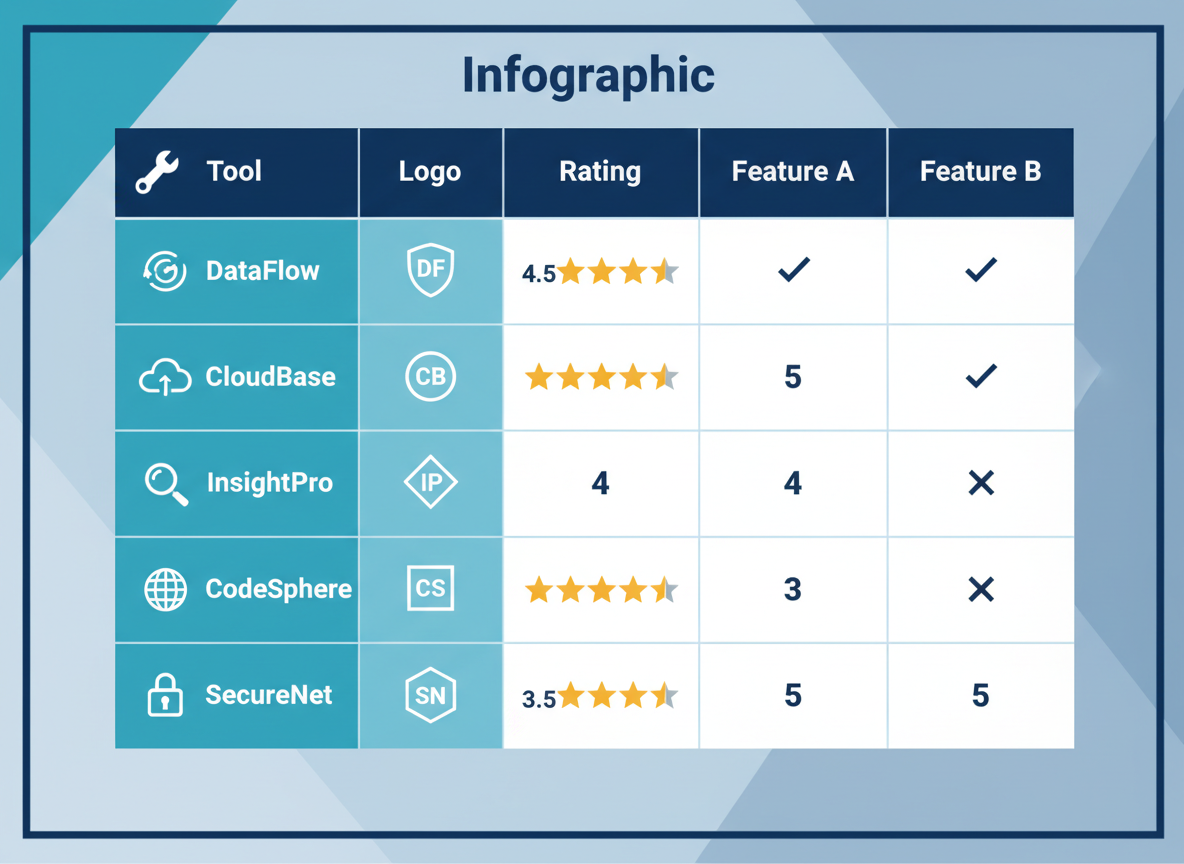
You’ve got plenty of solid options when it comes to free resignation letter makers. Let’s break down five tools that’ll help you quit professionally without spending a dime.
1. Zety Resignation Letter Builder
This one stands out for its step-by-step guided process. Best for people who’ve never written a resignation letter before. You’ll answer a few questions, and it generates a polished letter instantly. The catch? You can’t download without creating an account, but it’s still free.
2. ResumeGenius Letter Builder
Known for its professional templates and clean formatting. Perfect if you’re in a corporate environment where presentation matters. Downloads as a Word doc or PDF. The limitation is fewer customization options compared to others.
3. Canva Resume & Letter Templates
If visual appeal matters to you, Canva’s your go-to. Great for creative professionals who want something that looks distinctive while staying professional. You’ll need to adapt their templates manually, which takes a bit more time.
4. Testing CG’s AI Content Generator
Here’s where automation gets interesting. Testing CG doesn’t just create resignation letters—it uses AI to generate personalized content based on your specific situation and industry. Best for entrepreneurs and marketers who appreciate efficiency and want multiple variations quickly. The AI understands context and tone, so you’re not stuck with cookie-cutter templates. You can generate, refine, and export in minutes.
5. Microsoft Word Templates
Sometimes the simplest solution wins. If you’ve already got Office, you have access to built-in resignation letter templates. Best for people who prefer working with familiar tools. Limited guidance, but maximum control over your content.
What Sets Them Apart?
Customization levels vary dramatically. Tools like Testing CG and Canva offer more flexibility, while Zety and ResumeGenius keep you within structured frameworks. For download formats, most provide PDF and Word options—standard across the board.
Ease of use? That depends on your comfort level. If you want guided assistance, go with Zety or ResumeGenius. If you’re comfortable with AI and want speed, Testing CG handles the heavy lifting for you.
Here’s the empowering part: you’re not stuck with one approach. You can test multiple tools until you find what clicks. Need templates for different scenarios? Check out our comprehensive guide on letter of resignation AI tools and templates for even more options.
The right tool matches your situation, timeline, and comfort level. Whether you’re leaving on good terms or navigating something trickier, there’s a free option that fits.
What Makes a Professional Resignation Letter (Essential Elements)
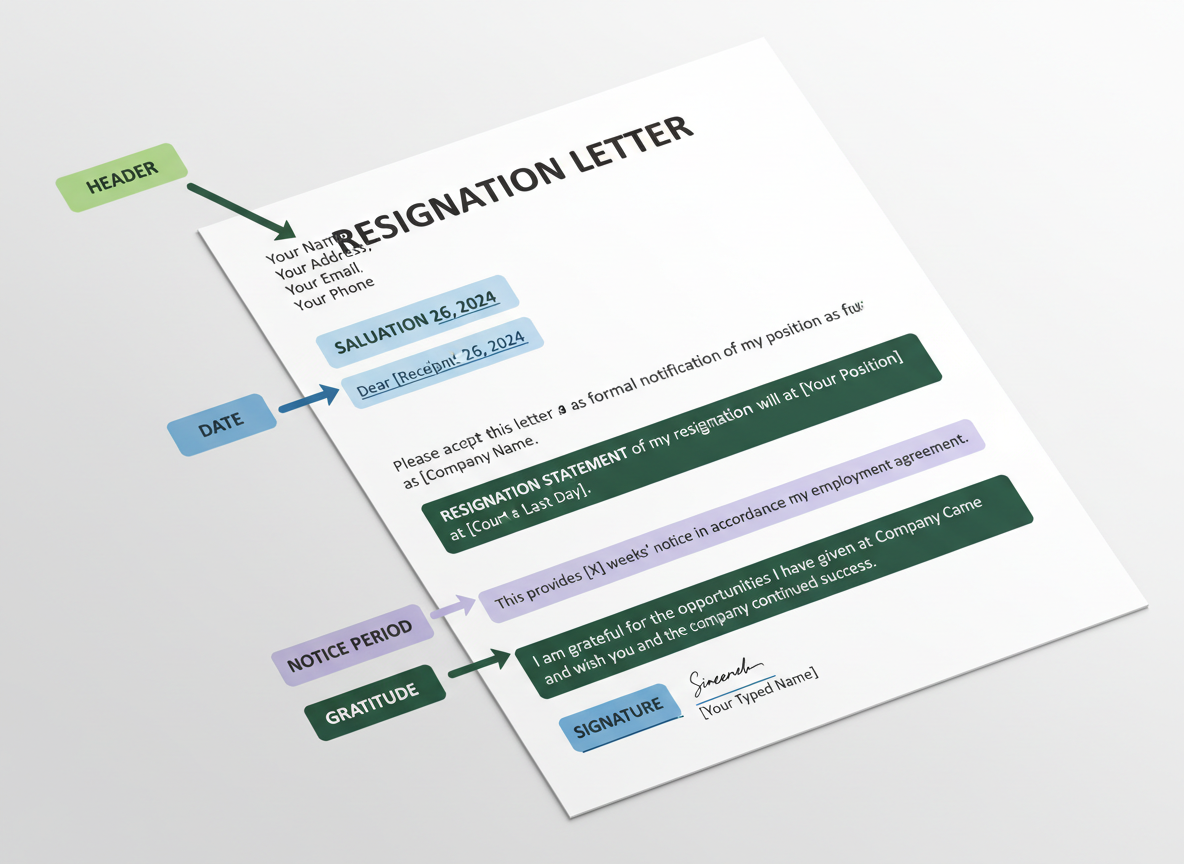
Your resignation letter needs five core components to protect your professional reputation. Start with your contact information, the date, and your manager’s details at the top. Next, state clearly that you’re resigning and specify your last working day—vague dates create confusion. Thank your employer genuinely (future references depend on this). Offer to help with the handover, showing you’re not abandoning ship. Skip the grievances, salary gripes, and lengthy explanations entirely. Keep it cordial and brief—one page max. A Letter of Resignation Generator: Free AI Tools to Quit Your Job Professionally in 2026 can nail this balance automatically, giving you a clean exit without burning bridges.
How to Use a Free Resignation Letter Maker: Step-by-Step Tutorial
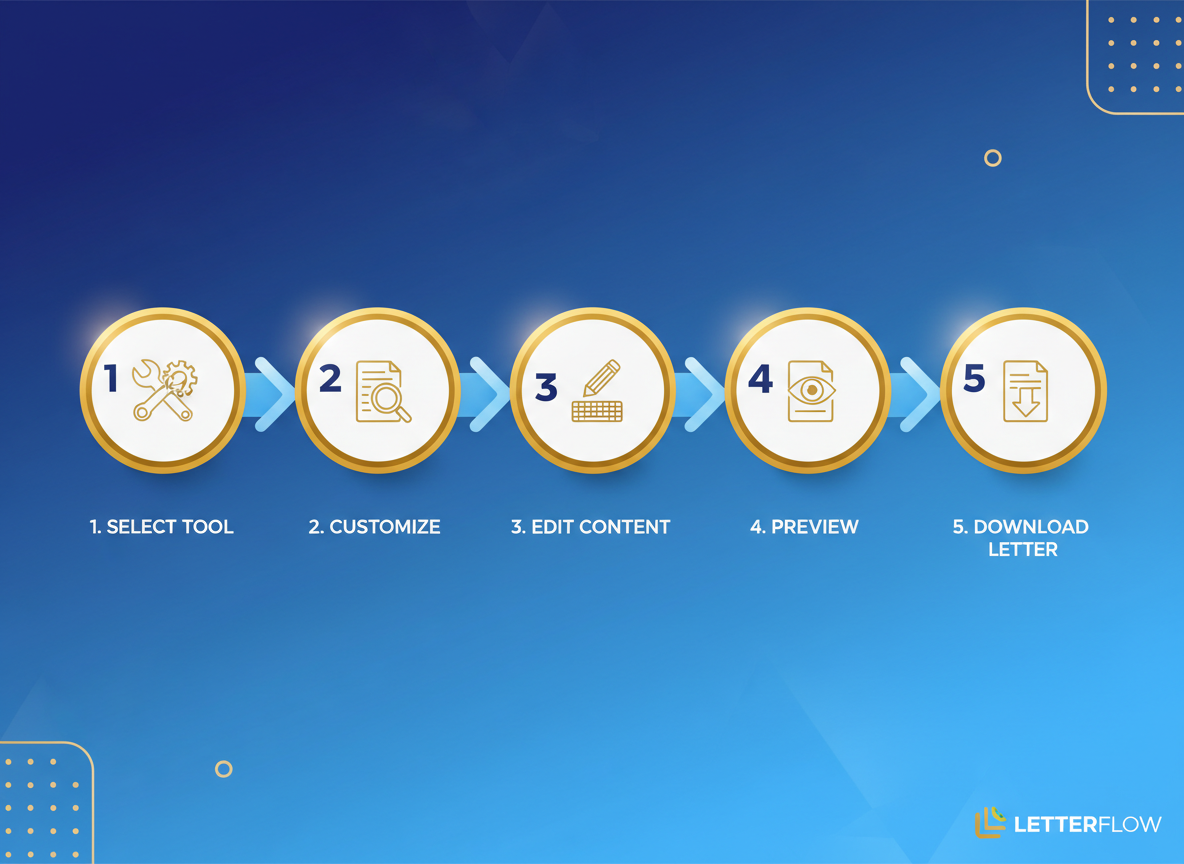
Using a free resignation letter maker takes just minutes. Here’s how to nail it:
Step 1: Choose your resignation scenario. Most tools offer templates for standard resignations, immediate departures, relocations, retirement, or career changes. Pick the one that matches your situation.
Step 2: Input your basic information. You’ll need your name, position, company name, manager’s name, and your last working day. Some generators also ask for your start date and reason for leaving.
Step 3: Select your tone and formality level. Consider your workplace culture. A startup might warrant a friendly, casual tone, while a corporate law firm requires traditional formality.
Step 4: Review and customize the generated content. This is where you add your personal touch. The AI gives you a solid foundation, but mentioning a specific project you enjoyed or a skill you developed makes it authentic. For more customization options, check out our guide on AI letter of resignation tools.
Step 5: Download in your preferred format. Most platforms let you export as PDF, Word, or plain text. PDF usually works best since it preserves formatting.
Pro tip: Always save a copy for your records and proofread carefully before hitting send. Typos in your resignation letter? Not the exit you want.
Common Resignation Letter Mistakes to Avoid
You’re ready to move on, but one wrong move in your resignation letter could haunt you for years. Let’s talk about the mistakes that’ve cost people references, severance packages, and even legal headaches.
Mistake 1: Letting Your Emotions Take Over
I get it—you might be leaving because your boss was terrible or the workplace was toxic. But here’s the thing: your resignation letter isn’t the place for a tell-all. Venting about how much you hated working there might feel satisfying in the moment, but it’ll burn bridges you might need later. That manager you can’t stand? They could end up at your dream company in two years. The corporate world’s smaller than you think.
Keep it professional, even if you’re mentally doing cartwheels on your way out the door.
Mistake 2: Playing Games with Your Notice Period
“I’m quitting effective immediately” sounds bold and empowering, right? Wrong. Unless you’re in an emergency situation, skipping proper notice can have real consequences. Many contracts require two weeks (or more), and not honoring that can mean forfeiting benefits, severance, or even facing legal action in some jurisdictions.
Check your employment agreement before you hit send. Those clauses aren’t just suggestions—they’re legally binding commitments you made when you started.
Mistake 3: Writing Your Life Story
Nobody needs a five-paragraph essay about why you’re leaving. Your boss doesn’t need to know about your existential crisis, your spouse’s job transfer, or how you’ve always dreamed of opening a pottery studio in Vermont.
Keep it simple: you’re resigning, here’s your last day, thank you for the opportunity. Done. The more you explain, the more ammunition you’re potentially giving someone to talk you out of leaving or to question your decision-making.
Mistake 4: Sending “hey im quitting lol” via Slack
This actually happens more than you’d think. Someone gets excited about their new opportunity and fires off a casual message to their manager. Bad idea.
Your resignation deserves a formal letter—even if your workplace is super casual. This document becomes part of your permanent employment record. Would you want “sent via text message at 11:47 PM” attached to yours? Professionalism matters, especially when you’re asking for references or negotiating your exit.
Mistake 5: Addressing It to the Wrong Person
Sounds basic, but people mess this up constantly. They address their letter to HR when it should go to their direct supervisor first. Or they spell their manager’s name wrong. Or they use “Dear Sir/Madam” when they’ve worked with Sarah for three years.
These details matter. They signal whether you care about doing things properly or if you’re just phoning it in on your way out.
Mistake 6: Forgetting to Save a Copy
You hit send, feel relieved, and move on with your life. Fast forward six months—there’s a dispute about your end date, your final paycheck, or what was agreed upon. And you’ve got… nothing.
Always keep a copy of your resignation letter. Email it to your personal account. Save it to the cloud. Print it out. This document proves exactly what you communicated and when. It’s your insurance policy if anything goes sideways later.
How Free Resignation Letter Makers Save You from These Pitfalls
Here’s where AI resignation letter generators become your safety net. They’re designed with professional standards baked in—you literally can’t accidentally write an emotional rant or forget essential details because the templates won’t let you.
A free resignation letter maker guides you through the proper structure: addressee, notice period, transition offers, and professional sign-off. It keeps your language neutral and constructive, even if you’re internally screaming. And because everything’s digital, you automatically have a record of what you created.
Think of it as guardrails for one of your career’s most sensitive moments. The AI won’t judge why you’re leaving—it’ll just make sure you leave the right way.
Resignation Letter Best Practices: Timing, Delivery & Follow-Up
Timing matters more than you think. Submit your resignation early in the week—Monday or Tuesday works best. Your manager gets time to process the news and start planning your replacement. Friday afternoons? That’s setting everyone up for a stressful weekend.
Always have the conversation in person first. Schedule a private meeting with your supervisor, share your decision respectfully, then follow up with your written letter as the official record. This shows maturity and gives your boss the courtesy they deserve.
Standard notice is two weeks minimum, but check your employment contract. Some industries expect 30 days. Senior roles might need even longer. If you’ve signed a contract with specific notice requirements, honor it—your professional reputation depends on it.
After you’ve delivered your letter, shift into transition mode. Document your processes, create handoff notes, and offer to train your replacement. These actions demonstrate professionalism and ensure you leave on good terms.
Treat exit interviews seriously. They’re your chance to provide constructive feedback while maintaining those bridges. You never know when you’ll need a reference or when your paths might cross again.
Email works for most situations today, especially in remote-first companies. However, printed letters feel more formal for traditional industries or senior positions. Match your delivery method to your company culture. Need help crafting other professional communications? Check out our guide on copywriting software for creating polished business content.
Frequently Asked Questions (FAQ)
Q: Are free resignation letter makers really free?
Most tools offer basic letter generation at no cost. You’ll get a professional template with standard formatting. Premium features—like multiple revisions, advanced customization, or access to legal consultation—typically require payment. For a straightforward resignation, the free version works perfectly fine.
Q: Can I use a resignation letter generator for immediate resignation?
Yes, but proceed carefully. While these tools can create immediate resignation letters, remember that most employment contracts require notice periods (usually two weeks). Breaking this agreement might cost you references or final paychecks. If you’re in a toxic situation, prioritize your wellbeing—just understand the potential consequences.
Q: What format should I download my resignation letter in?
PDF is your best bet for formal submission since it preserves formatting across all devices and can’t be accidentally edited. Keep a Word or Google Docs version for yourself in case you need to make last-minute changes. Similar to using a free outline generator for content planning, having both formats gives you flexibility.
Q: Do I need to give a reason for resigning?
Absolutely not. A simple “I’m resigning from my position effective [date]” is sufficient. You can include something brief like “pursuing other opportunities” if you want, but elaborate explanations aren’t necessary. Keep it professional and concise—you don’t owe anyone your life story.
Q: How much notice should I give?
Two weeks is standard in most industries, but check your contract first. Executive positions often require 30-60 days. Some sectors like healthcare or education may have different expectations. If you’re in good standing and want to maintain the relationship, matching or exceeding contractual requirements shows professionalism.
Q: Can my employer reject my resignation?
In most at-will employment situations, no. Your resignation is a notification, not a request. They can’t force you to stay. However, they might negotiate your end date, especially if you’re mid-project. They could also enforce non-compete clauses or withhold certain benefits if you don’t honor your notice period.
Q: Should I send my resignation letter via email or print?
Email first, then follow up with a printed copy if company policy requires it. Email creates a timestamp and paper trail—crucial for documentation. Schedule a face-to-face meeting with your manager before or immediately after sending the email. Never blindside your boss with an email resignation without a conversation.
Q: Will using a template look unprofessional?
Not at all. Professional formatting actually enhances your credibility. HR departments see hundreds of resignation letters—they care about clarity and completeness, not creative writing. Templates ensure you include all necessary information while maintaining appropriate tone. Think of them as professional shortcuts that save time without sacrificing quality.

I am a full-time online marketer, for over a decade now. Helped over 100,000+ people & generated well over $12M in online sales.