
Introduction
You’ve probably seen them everywhere—those real estate agent ads that somehow grab your attention while scrolling through Facebook or browsing local websites. Some make you stop and think, “I should call them.” Others? They’re instantly forgettable.
Here’s the thing: the real estate market’s more competitive than ever, and agents who master their advertising stand out like beacons in a sea of “Just Listed!” posts. Whether you’re a seasoned marketer crafting campaigns for real estate clients or an entrepreneur building content in the property niche, understanding what makes these ads work matters for your bottom line.
In this article, we’ll break down actual sample real estate agent ads that convert—the ones that generate leads, build trust, and turn browsers into buyers. You’ll see what separates winning ads from wasteful spending, discover proven frameworks you can adapt for your own campaigns, and learn how to craft messages that resonate with today’s home buyers and sellers. Let’s get straight to what works.
Main Content
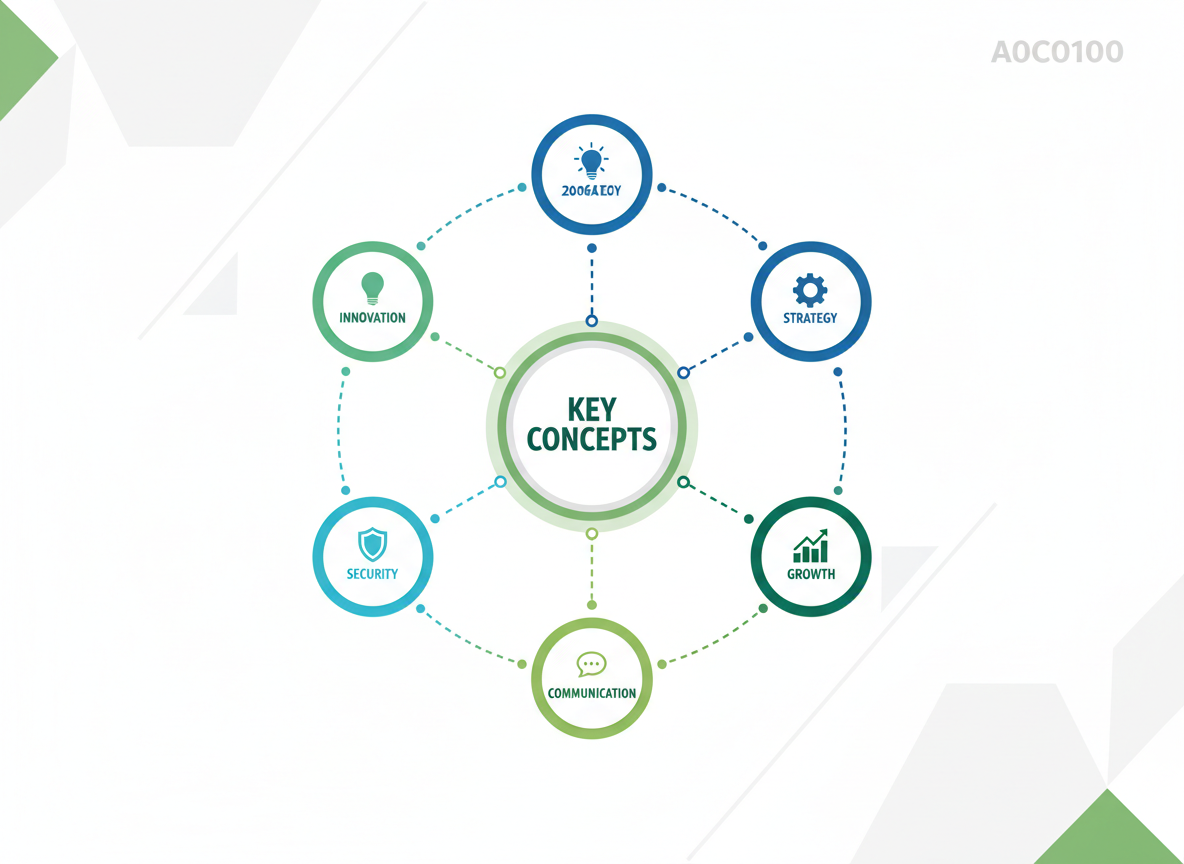
Real estate agents face intense competition, and your ads need to cut through the noise fast. Let’s break down what actually works when you’re creating sample real estate agent ads that convert browsers into buyers.
The Anatomy of High-Converting Real Estate Ads
The best performing ads share three elements: attention-grabbing visuals, compelling copy that speaks to pain points, and a crystal-clear call to action. You’ve got maybe three seconds before someone scrolls past your ad, so make them count.
Start with your headline. “Beautiful Home for Sale” won’t cut it anymore. Instead, try something like “This 3BR Colonial Won’t Last—Open House This Weekend Only” or “First-Time Buyers: Lock In Today’s Rates on This Starter Home.” You’re creating urgency while speaking directly to your target buyer’s situation.
Real-World Examples That Actually Work
Here’s what successful agents are doing right now:
The Neighborhood Expert Approach: Showcase your local knowledge. An ad might feature a photo of you at a local landmark with copy like, “Selling homes in Riverside for 12 years. I know which streets flood, which schools perform best, and where property values are climbing.” This builds instant credibility.
The Problem-Solver Ad: Address specific frustrations. “Can’t compete with cash buyers? I’ve helped 47 families beat all-cash offers using these three strategies.” You’re acknowledging the pain point and positioning yourself as the solution.
The Social Proof Blitz: Numbers speak louder than claims. “Sold 23 homes in 30 days—average of just 18 days on market while the area average is 47.” Back it up with client testimonials and you’ve got a winner.
Actionable Steps You Can Take Today
First, stop trying to please everyone. Your ad should speak to one specific type of buyer or seller. A first-time homebuyer has completely different concerns than someone downsizing after retirement.
Second, test different formats. Video ads showing property walkthroughs typically outperform static images by 300%, but carousel ads work brilliantly for showcasing neighborhood amenities alongside the property itself.
Third, match your ad copy to your landing page. If your ad promises a free home valuation guide, that’s the first thing visitors should see when they click through. Inconsistency kills conversions faster than anything else.
For those looking to streamline their entire content creation process, check out our detailed guide on subtopic at Testing CG—it’ll save you hours every week while maintaining that personal touch buyers expect.
The Follow-Up Formula
Here’s where most agents drop the ball: they create one ad and call it done. The money’s in the sequence. Your first ad grabs attention, your second nurtures interest, and your third creates urgency. Someone who engaged with your listing tour video? Hit them with client testimonials next. Someone who watched those? Now’s when you introduce that limited-time buyer incentive.
Remember, you’re not just advertising a property—you’re advertising yourself as the agent who understands what buyers and sellers actually need. Make every word count, back up your claims with data, and always give people a clear next step.
I am a full-time online marketer, for over a decade now. Helped over 100,000+ people & generated well over $12M in online sales.