What Is a Creative Copywriter? (Definition & Role in 2026)
A creative copywriter crafts persuasive words that sell products, build brands, and convert casual browsers into paying customers. Unlike content writers who focus on informing or educating, creative copywriters zero in on one thing: getting people to take action.
Here’s the distinction that matters. Content writers might explain how a product works. SEO copywriters optimize text so Google notices it. But creative copywriters? They tap into human psychology, emotions, and desires to make you want something. They write the headlines that stop your scroll, the emails you actually open, and the landing pages that turn clicks into cash.
In 2026, the role’s expanded beyond traditional ads. Creative copywriters now shape entire brand personalities across social media, video scripts, chatbot conversations, and even AI-generated content that needs a human touch. Similar to how content engineers bridge the gap between technology and storytelling, creative copywriters blend artistry with strategy.
The numbers tell the story: businesses are doubling down on creative copywriting because conversion-focused content directly impacts revenue. A single well-written sales page can generate millions. One compelling email sequence can revive dead leads. That’s why skilled creative copywriters command $75,000 to $150,000+ annually, with freelancers often charging $500 to $5,000 per project.
Your words become the voice customers hear when they’re deciding whether to buy. You’re not just writing—you’re engineering desire, building trust, and creating the invisible force that moves people from “maybe” to “yes.” That’s the power (and paycheck) waiting for those who master this craft.
Creative Copywriter vs Content Writer vs SEO Copywriter: Key Differences Explained
Here’s the truth most people miss: these three roles aren’t interchangeable, even though they all involve writing for businesses.
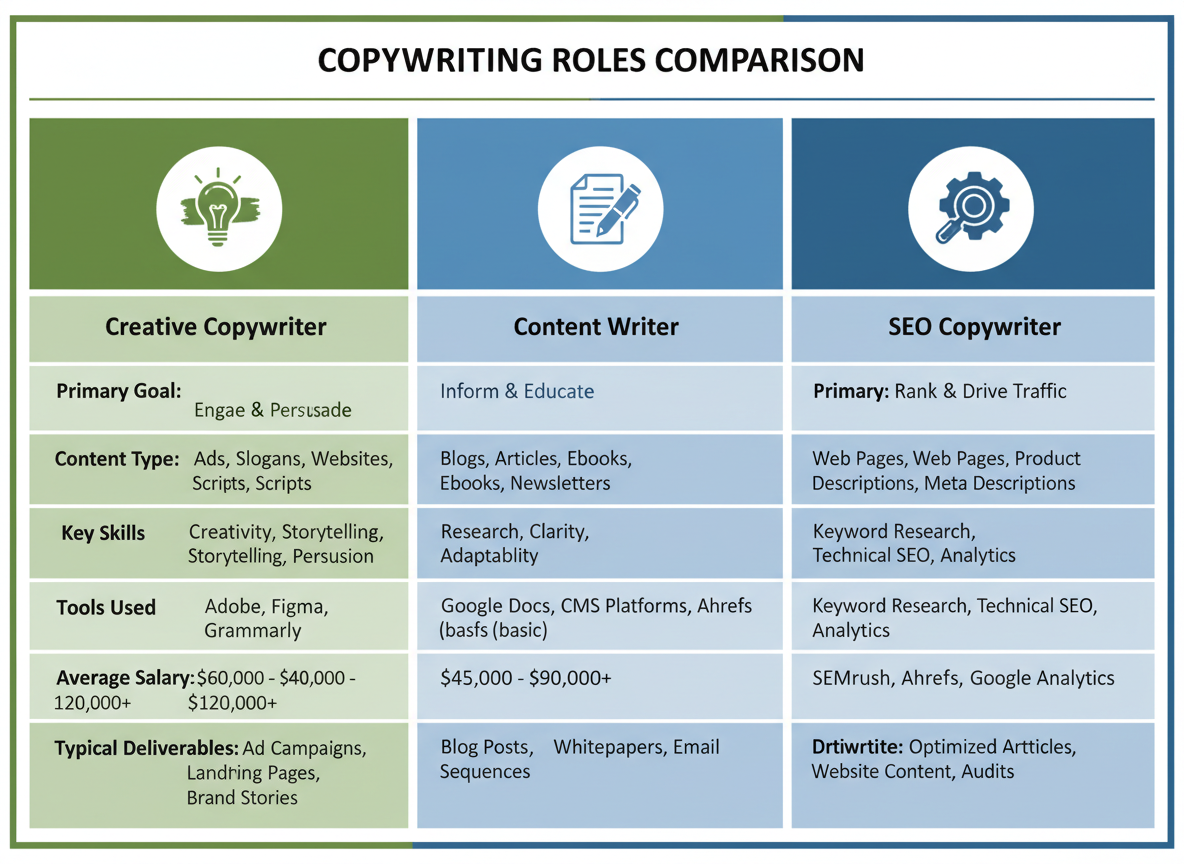
A creative copywriter crafts short-form content designed to trigger emotions and drive immediate action. Think punchy product descriptions, attention-grabbing ad campaigns, compelling landing pages, and email sequences that convert browsers into buyers. They’re obsessed with psychology, understanding what makes people click “buy now” or sign up. The focus? Persuasion and conversion rates above all else.
Content writers, on the other hand, play the long game. They create educational blog posts, in-depth guides, whitepapers, and resources that build trust over time. Their mission is delivering value and establishing authority. While they want readers to engage, they’re less concerned with immediate conversions and more focused on nurturing relationships through helpful information.
Then there’s the SEO copywriter—a hybrid specialist who balances keyword optimization with readability. They understand search algorithms, meta descriptions, header structures, and how to rank content on Google. Technical knowledge meets strategic writing. Many use copywriting software with AI capabilities to streamline their keyword research and content optimization.
When should you hire each one? Need to launch a product or run ads? Hire a creative copywriter. Building brand authority through educational content? Go with a content writer. Want your website to dominate search results? You’ll need an SEO copywriter.
In reality, these roles often overlap. The best writers can flex between styles, but specialists command higher rates in their niche.
Salary differences in 2026 are significant. Creative copywriters with proven conversion skills earn $75K-$150K+ annually, especially in high-stakes industries like finance or tech. Content writers typically range from $55K-$90K, while SEO copywriters sit between $65K-$120K depending on technical expertise. Freelance rates vary even more wildly based on portfolio strength and client budgets.
Smart businesses? They hire all three or find versatile writers who understand when to switch gears.
Essential Skills Every Creative Copywriter Needs to Master
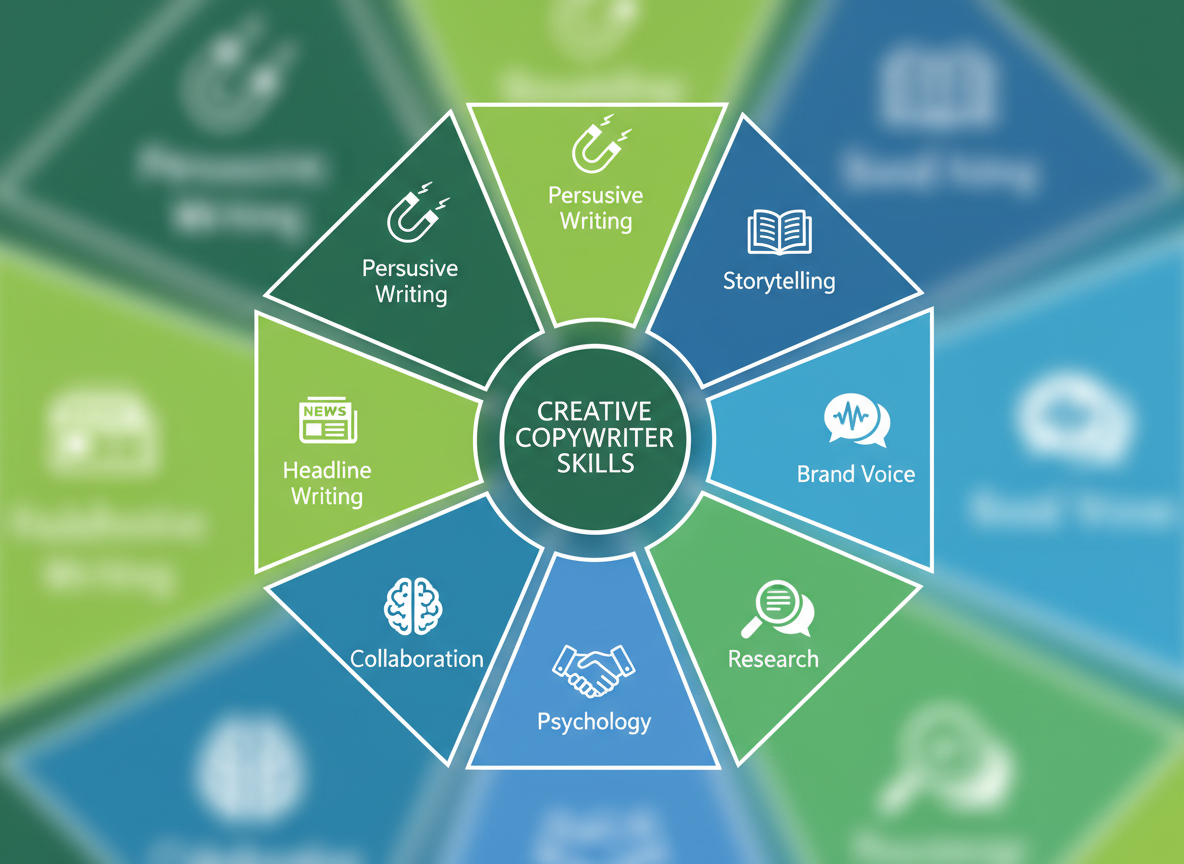
Becoming a successful creative copywriter means building a toolkit that goes way beyond clever wordplay. You’ll need a blend of psychological insight, marketing savvy, and technical skills that work together seamlessly.
Persuasive Writing and Psychological Triggers
The best copywriters understand what makes people click, buy, and share. You’ll need to master psychological principles like scarcity, social proof, and reciprocity. These aren’t manipulation tactics—they’re ways to connect with genuine human motivations and guide readers toward decisions that benefit them.
Storytelling and Emotional Intelligence
Facts tell, but stories sell. You’ve got to weave narratives that resonate emotionally while maintaining authenticity. This means understanding your audience’s pain points, aspirations, and the journey they’re on.
Brand Voice Adaptation
A creative copywriter doesn’t have just one style. You’ll switch between corporate professionalism for B2B clients and playful energy for consumer brands. Consistency matters—whether you’re writing a landing page, email sequence, or social media post, the brand’s personality should shine through.
Headline and Hook Writing Mastery
Your first sentence determines whether someone reads your second. You’ll need to craft headlines that stop scrollers mid-swipe and opening lines that create irresistible curiosity.
Marketing Funnels and Customer Psychology
Understanding where your copy fits in the buyer’s journey changes everything. Top-of-funnel content requires different approaches than bottom-of-funnel conversion copy. Speaking of strategy, mastering content brief creation ensures you’re aligned with marketing objectives from the start.
Research and Collaboration
You’ll dig deep into audience data, competitor analysis, and industry trends. Plus, you’ll work alongside designers, strategists, and marketing teams—translating creative briefs into compelling copy that actually converts.
The reality? Adaptability across formats, strong time management, and continuous learning separate amateur writers from well-paid professionals.
Creative Copywriter Salary & Job Market Outlook (2026 Data)
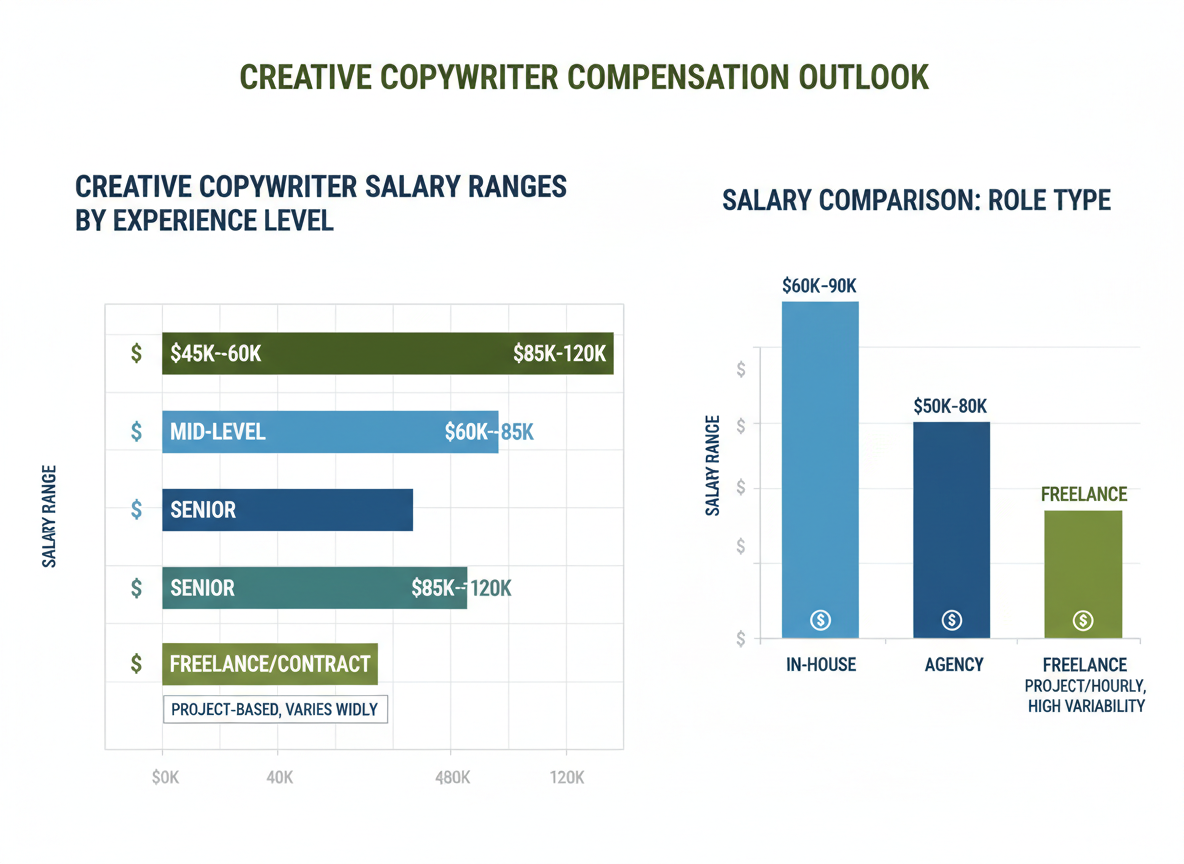
Let’s talk money. Entry-level creative copywriters typically earn between $42,000 and $58,000 annually, while mid-level pros pull in $60,000 to $85,000. Senior copywriters with 7+ years of experience? You’re looking at $90,000 to $140,000, depending on your specialty and portfolio strength.
Geography matters more than you’d think. San Francisco and New York creative copywriters command 30-40% higher salaries than national averages, with experienced writers earning upwards of $150,000. Austin, Seattle, and Los Angeles fall somewhere in the middle, while remote positions offer competitive rates without the cost-of-living premium.
Here’s where it gets interesting: freelance versus in-house compensation splits dramatically. Staff copywriters enjoy stability, benefits, and predictable paychecks. Freelancers, however, can charge $75-$250 per hour (or more) once they’ve built a reputation. The catch? You’ll handle your own taxes, insurance, and client acquisition.
Industry selection impacts your earning potential significantly. Tech companies and SaaS businesses pay 15-25% above average, while agency life offers variety but often lower base salaries. Ecommerce brands fall in the middle, and B2B copywriters specializing in complex products command premium rates due to the expertise required. Similar to Account Directors, creative copywriters who manage strategic initiatives earn substantially more.
The job market outlook through 2028 remains strong, with projected growth of 8-12% for content-focused roles. AI tools haven’t reduced demand—they’ve shifted it. Companies need copywriters who can direct AI, refine outputs, and inject authentic personality that automation can’t replicate. Writers who master AI collaboration tools are commanding 20-30% higher rates than peers who resist the technology.
How to Become a Creative Copywriter: Step-by-Step Career Path
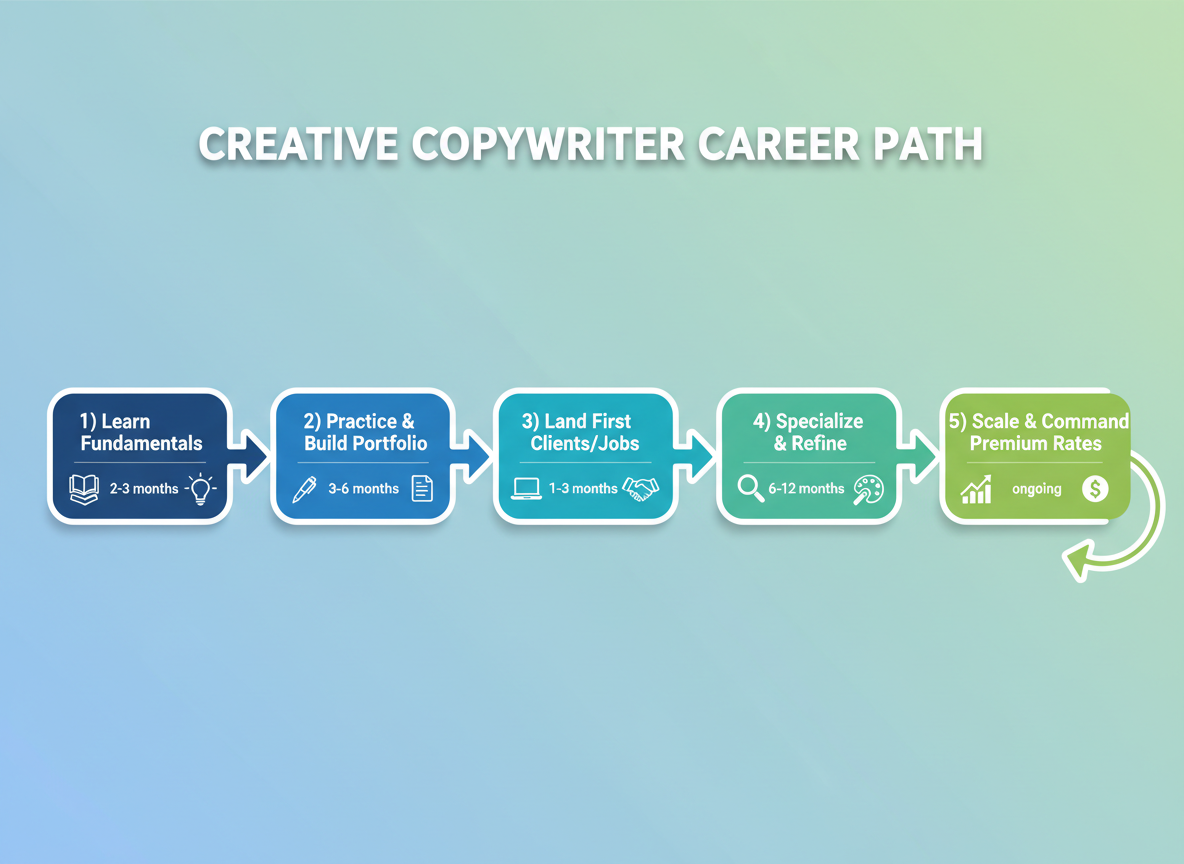
There’s no single “right” way to become a creative copywriter—and that’s actually good news for you.
Traditional education includes marketing or communications degrees, but honestly? Most successful copywriters I know didn’t major in advertising. English, journalism, psychology, or even unrelated fields can work just fine. What matters more is your ability to understand human behavior and craft compelling messages.
The self-taught route has become increasingly viable. Platforms like Coursera, Udemy, and Copyblogger offer affordable courses. Books like “Breakthrough Advertising” by Eugene Schwartz and “The Adweek Copywriting Handbook” by Joseph Sugarman remain industry standards. You’ll also want to study marketing fundamentals—conversion psychology, customer journey mapping, and persuasion frameworks.
Getting your first experience often means creating spec work (writing samples for fictional or real brands without compensation) or landing internships. Don’t skip this step. You need portfolio pieces that demonstrate real results, not just pretty words. Consider freelancing on smaller projects through Upwork or local businesses while building your skills.
Specializing early can accelerate your career. Whether it’s SaaS, e-commerce, health and wellness, or financial services, niche expertise commands higher rates. You’ll also need solid planning skills—tools like a free outline generator can help structure your campaigns more effectively.
Networking isn’t optional. Join communities like Superpath, Copyblogger’s forums, or LinkedIn groups where creative copywriters share opportunities and feedback.
Timeline reality check: Expect 6-12 months to build a decent portfolio, another 6-12 months to land consistent work, and 2-3 years before you’re commanding premium rates. Transitioning from content writing? You’ve got a head start—just shift your focus from informing to persuading.
10 Proven Creative Copywriting Techniques That Drive Conversions
1. Deep Audience Research and Persona Development
Before typing a single word, successful creative copywriters spend hours understanding their audience’s pain points, desires, and language patterns. Review customer reviews, join Facebook groups, and conduct surveys to discover the exact words your prospects use.
2. Irresistible Headlines and Hooks
Your headline determines whether someone reads further. Use proven formulas like “How to [Desired Outcome] Without [Common Obstacle]” or “[Number] Ways to [Solve Problem] in [Timeframe].” The first sentence must hook readers immediately—pose a question, share a surprising stat, or acknowledge their struggle.
3. Story-Driven Emotional Connection
Facts tell, but stories sell. Share customer transformation stories, personal experiences, or relatable scenarios that mirror your reader’s situation. Stories bypass logical resistance and create emotional investment in your message.
4. Strategic Social Proof Integration
Testimonials, case studies, and user numbers build instant credibility. Place specific results near your claims: “2,847 marketers increased their conversion rates by 34% using this framework.”
5. Benefit-Focused Conversational Language
Write like you’re talking to a friend over coffee. Replace features with benefits—instead of “AI-powered content generator,” say “create a month’s worth of social posts in 30 minutes.” For more insights on balancing conversational tone with persuasive copy, check out our guide on ads with body copy that convert.
6. Ethical Urgency and Scarcity
Limited-time offers work, but don’t manufacture false scarcity. Use real deadlines, limited spots, or seasonal opportunities to motivate action without eroding trust.
7. Proactive Objection Handling
Address concerns before prospects raise them. If price is an issue, explain the ROI. If time commitment matters, clarify how quickly they’ll see results.
8. Design-Copy Synergy
Work closely with designers to ensure visual hierarchy supports your message. Headlines need breathing room, and CTAs require contrasting colors.
9. CTA Optimization
Replace generic “Submit” buttons with action-oriented copy: “Get My Free Template” or “Start Creating Today.” Test placement, color, and wording relentlessly.
10. Data-Driven Iteration
Track performance metrics, run A/B tests, and refine based on real user behavior. What works for one audience might flop for another—let data guide your decisions.
Essential Copywriting Formulas Every Creative Copywriter Should Know
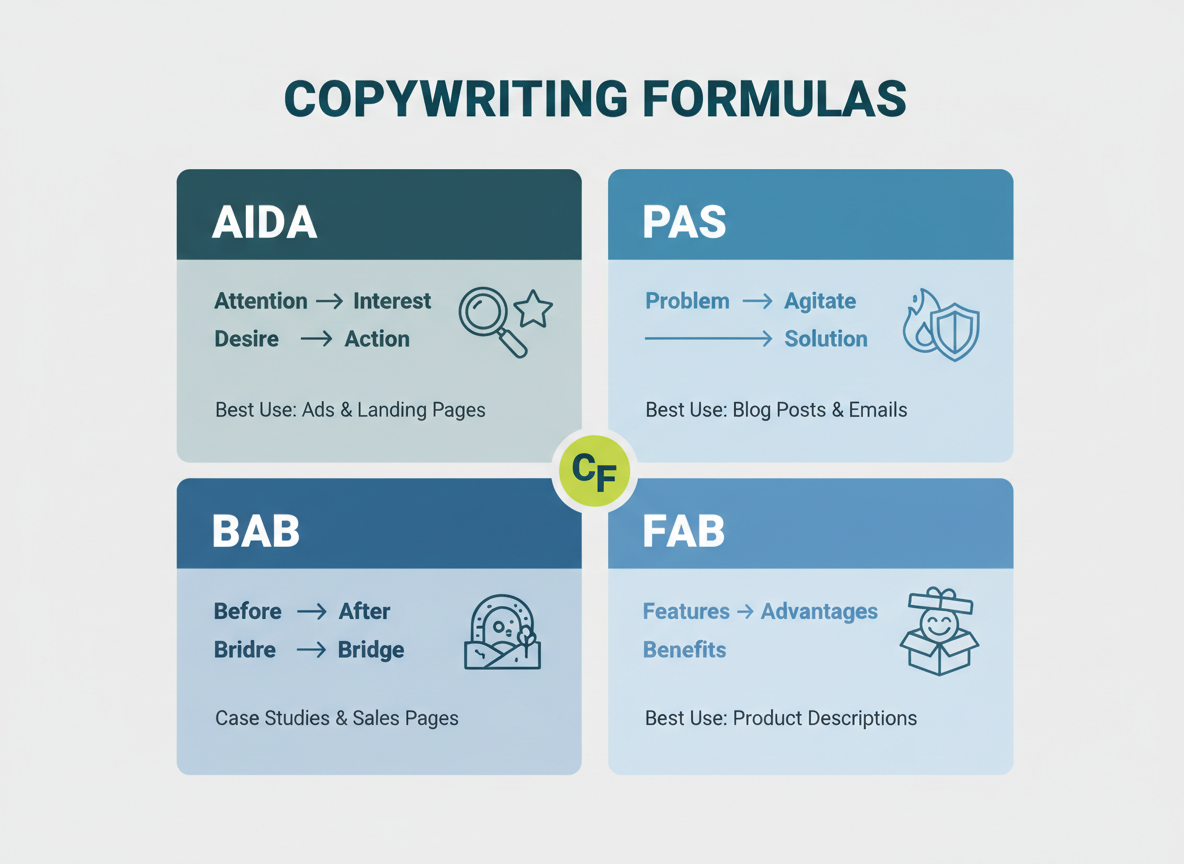
Think of copywriting formulas as your secret recipe book. They’re not meant to make your writing robotic—they’re frameworks that help you structure persuasive messages quickly and effectively.
AIDA (Attention, Interest, Desire, Action) is your go-to for most marketing scenarios. Start with a punchy headline that stops the scroll, build interest with relevant facts, create desire by showing transformation, then tell readers exactly what to do. An email subject line like “Your competitors are using this tool” grabs attention, while the body builds toward a clear CTA.
PAS (Problem, Agitate, Solution) works brilliantly for pain-point marketing. Identify what’s keeping your audience up at night (struggling to create content consistently), twist the knife a bit (meanwhile, competitors are publishing daily and stealing your traffic), then present your solution. This formula resonates deeply with audiences who need validation before they’re ready to buy.
BAB (Before, After, Bridge) tells a transformation story. Paint the “before” picture of your reader’s current struggle, show them the “after” where their problem’s solved, then bridge the gap with your product or service. It’s perfect for landing pages and case studies.
FAB (Features, Advantages, Benefits) translates product specs into reasons people care. Your software has AI-powered scheduling (feature), which saves 10 hours weekly (advantage), so you can finally take Fridays off (benefit). Always end with the emotional payoff.
4 Ps (Picture, Promise, Prove, Push) combines storytelling with social proof. Paint a vivid scenario, make a bold promise, back it up with data or testimonials, then push for action.
The real magic happens when you blend these formulas naturally. Using copywriting software can help you test different approaches across industries—from SaaS companies using AIDA in ad campaigns to fitness coaches leveraging BAB for transformation posts.
Channel-Specific Creative Copywriting: Mastering Different Formats
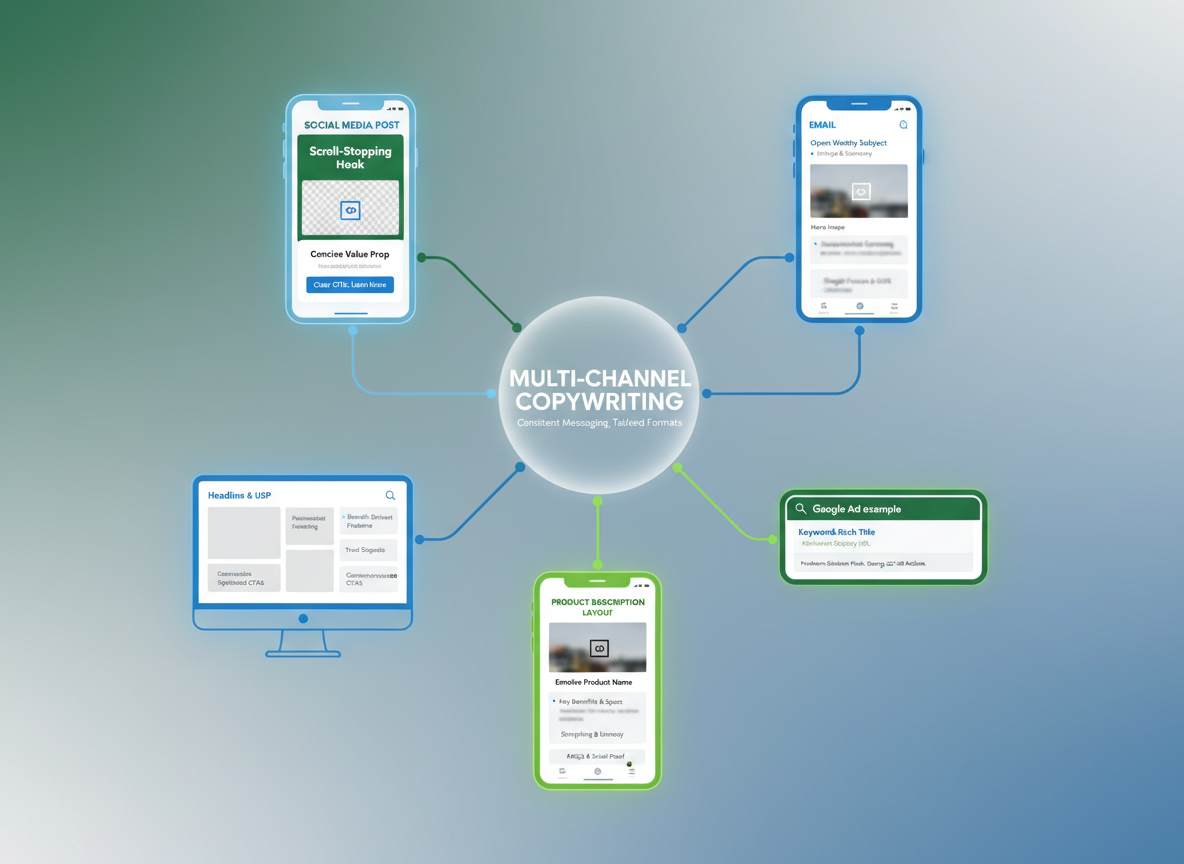
Each platform demands its own copywriting approach. What works on LinkedIn will fall flat on Instagram, and email subscribers expect something different than homepage visitors.
Social Media Copywriting
Facebook rewards storytelling and emotional connection. Start with a hook that stops the scroll, then build curiosity. LinkedIn prefers professional insights with a personal angle—think industry observations wrapped in your authentic voice. Instagram needs punchy, visual-first copy with strategic line breaks. X (formerly Twitter) demands brevity and wit, where every character counts.
The key? Understand each platform’s culture before writing a single word.
Email Copywriting
Your subject line gets three seconds to convince someone you’re worth opening. Preview text backs up that promise. The body delivers on both while guiding readers toward one clear action. Structure matters here—short paragraphs, scannable content, and a conversational flow that feels like you’re writing to one person, not thousands.
Landing Page Copy
Above-the-fold content answers one question: “What’s in it for me?” Your headline does the heavy lifting, supported by a subheadline that adds specificity. Benefit sections translate features into tangible outcomes. Conversion optimization happens when you remove friction and amplify desire simultaneously.
Ad Copywriting
Google Ads give you 30 characters for headlines and 90 for descriptions—every word needs to earn its place. Facebook Ads allow more breathing room, but attention spans don’t. For deeper strategies on crafting ads with body copy that converts, consider testing long-form approaches that build trust before asking for the click.
Video Scripts & Product Descriptions
Video scripts balance entertainment with information. You’ve got 5-7 seconds to hook viewers before they swipe away. Product descriptions sell transformation, not specifications. Nobody cares about “200-thread-count cotton”—they care about sleeping better.
Website Copy
Your homepage isn’t about you—it’s about solving visitor problems. About pages, surprisingly, rank among the most-visited pages. They’re where trust gets built or broken.
Building a Winning Creative Copywriter Portfolio (With Examples)
Your portfolio isn’t just a collection of writing samples—it’s your best sales tool. Here’s what separates amateur portfolios from ones that land high-paying clients.
What Actually Belongs in Your Portfolio
Start with 6-10 pieces that showcase different formats: landing pages, email campaigns, social media ads, blog posts, and video scripts. Don’t just dump text on a page. Include screenshots of the actual published work, performance metrics (click-through rates, conversion increases, engagement stats), and brief context about the project goals.
Structuring Portfolio Pieces for Maximum Impact
Frame each sample as a mini case study. Start with the challenge, explain your strategic approach, show the copy, then reveal the results. For instance: “This email sequence increased open rates by 47% and generated $23,000 in revenue within two weeks.” Numbers talk.
The Spec Work Dilemma
Don’t have client projects yet? Create spec work for brands you’d love to work with. Write a killer Facebook ad campaign for your favorite productivity app or redesign a mediocre landing page. Just be honest—label it as spec work.
Showcasing Your Range
Demonstrate you’re not a one-trick pony. Include work across different industries (SaaS, e-commerce, coaching), tones (professional, playful, urgent), and formats. This versatility matters, especially when you’re applying content brief mastery skills across varied client needs.
Platform Choices
Use Contently, Journo Portfolio, or a simple custom website. Make navigation effortless. If you’re under NDA, anonymize client details or create similar examples that capture your approach without violating agreements.
Working With Creative Briefs: How to Interpret Client Requirements
A creative brief is your roadmap, but many briefs you’ll receive are frustratingly vague. Here’s how to turn incomplete information into compelling copy.
Start by scanning for three essentials: objectives, audience, and constraints. What does success look like? Who are you talking to? What can’t you say or do? If any of these are missing, you’re flying blind.
Before writing a single word, ask clients these questions:
- “What should readers think, feel, or do after reading this?”
- “What makes your audience choose competitors over you?”
- “Are there any words, phrases, or claims you absolutely need included—or avoided?”
Pay close attention to brand voice guidelines. “Professional but approachable” means something different to a fintech startup than a yoga studio. Request examples of past copy they loved (and hated).
When it comes to KPIs, push for specifics. “Increase engagement” isn’t helpful. “Generate 50 qualified leads” or “improve click-through rate by 15%” gives you something measurable. For more on creating detailed project parameters, check out our guide on content brief mastery.
Red flags? Watch for briefs with five different objectives, no deadline, or “we’ll know it when we see it” feedback criteria. Address these upfront by proposing limited revisions (typically 2-3 rounds) and defining approval processes.
Always clarify who has final sign-off authority. Nothing kills momentum faster than rewriting copy because someone new entered the conversation on round four.
7 Common Creative Copywriting Mistakes (And How to Avoid Them)
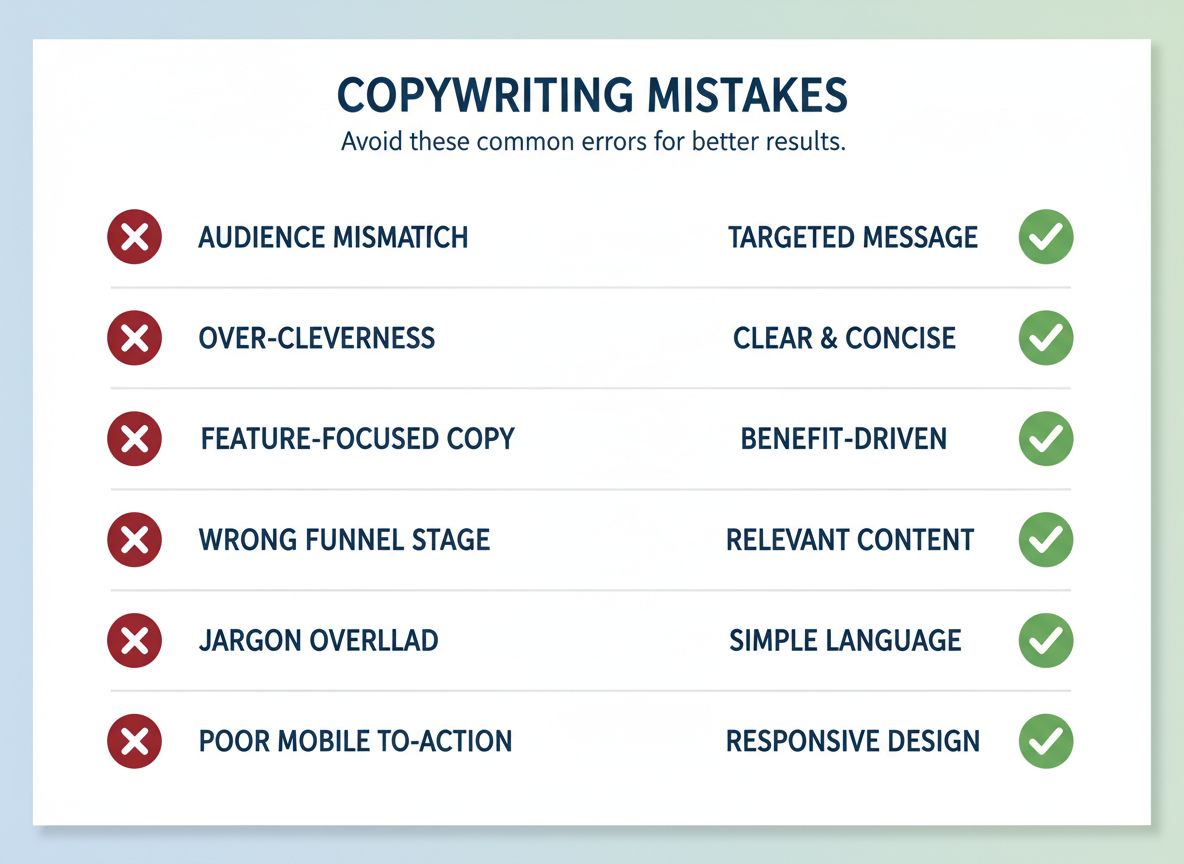
Even talented creative copywriters fall into these traps. Here’s what to watch for.
Writing for yourself instead of your audience is mistake number one. Your personal preferences don’t matter—what resonates with your target customer does. Before writing anything, ask: “What keeps my audience awake at 3 AM?”
Being too clever at the expense of clarity might win creative awards, but it won’t convert. That witty pun you’re proud of? If readers need to pause and decipher it, you’ve lost them. Clarity always beats cleverness.
Focusing on features instead of benefits is copywriting 101, yet it’s everywhere. Nobody cares that your software has “advanced AI algorithms.” They care that it saves them five hours weekly. Translate every feature into a tangible benefit.
Ignoring the customer journey stage means treating cold prospects like warm leads. Someone just discovering your brand needs different messaging than someone ready to buy. Match your copy to where they are.
Overusing jargon or buzzwords makes you sound like everyone else. “Synergy,” “disruptive,” and “innovative” have lost all meaning. Use specific language that actually describes what you offer.
Weak or confusing calls-to-action leave readers wondering what to do next. “Learn more” is vague. “Get your free 7-day trial” tells them exactly what happens when they click.
Neglecting mobile readability is costly when 60% of web traffic comes from phones. Short paragraphs, bullet points, and clear formatting aren’t optional anymore.
Experienced copywriters avoid these pitfalls by planning content strategically—tools like a free outline generator help structure messaging before writing begins. They test everything, prioritize clarity, and always put the audience first.
How AI Tools Are Transforming Creative Copywriting in 2026
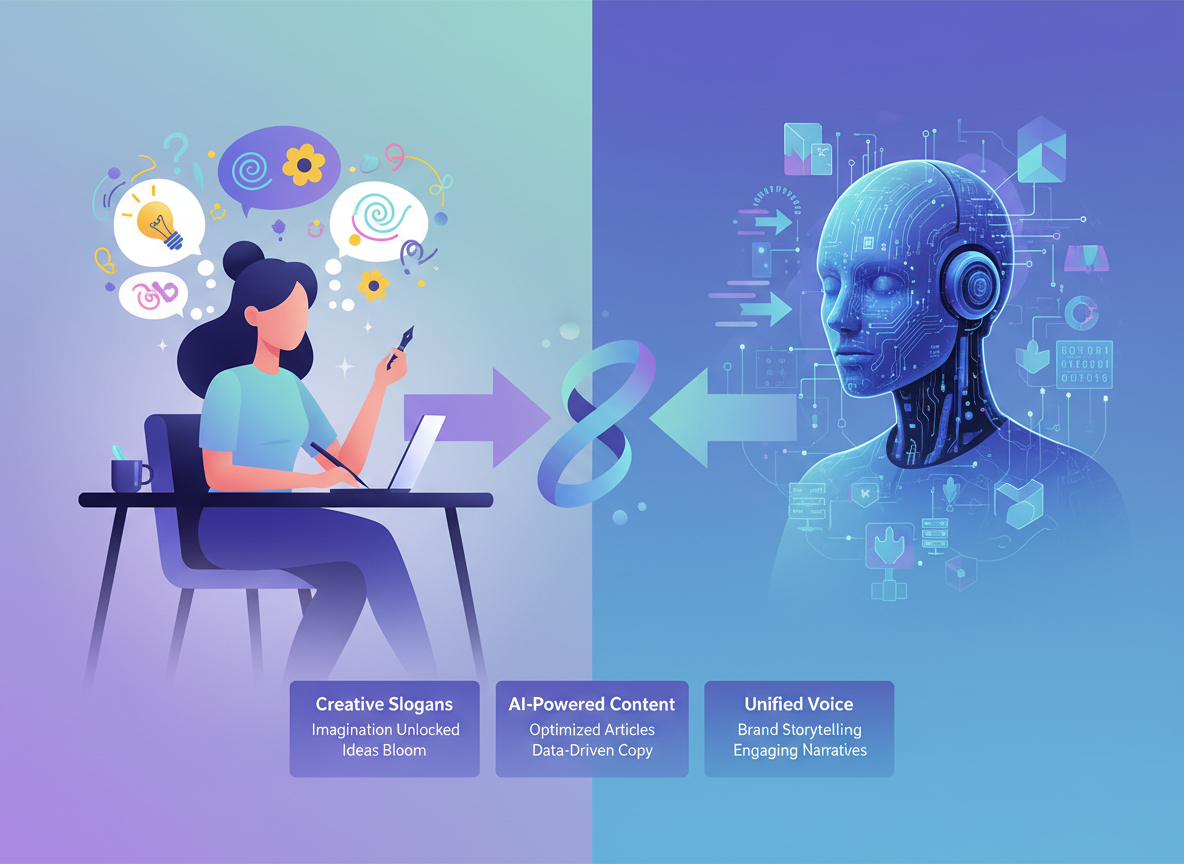
AI hasn’t replaced creative copywriters—it’s amplified what we can accomplish. The smartest copywriters in 2026 aren’t fighting the technology; they’re using it strategically to multiply their output without sacrificing quality.
Here’s what that actually looks like in practice. AI tools now handle the grunt work: generating headline variations, researching audience pain points, and creating first-draft frameworks. ChatGPT excels at conversational copy and brainstorming angles you might’ve missed. Jasper specializes in marketing frameworks with built-in templates for ads, emails, and landing pages. Copy.ai shines for social media content and quick variations. If you’re curious about which tool best fits your workflow, our detailed comparison of Jasper.ai vs ChatGPT breaks down the strengths of each platform.
But—and this matters—AI can’t replicate what makes copy truly compelling. It doesn’t understand the subtle emotional triggers that make someone stop scrolling. It can’t capture your brand’s unique personality or adapt messaging based on years of market intuition. That’s where you come in.
The winning approach? Use AI for ideation and research. Let it generate 20 headline options in seconds. Have it compile competitor analysis or audience insights. Then you step in to inject strategy, emotion, and authenticity.
Testing CG exemplifies this hybrid model—automating content creation while maintaining the quality standards that drive real engagement. The platform handles production efficiency, but human oversight ensures every piece resonates.
The ethical consideration here is transparency. Your audience deserves authentic communication, not robotic templates dressed up as personal insights. Future-proof your career by mastering both: AI efficiency for speed and scale, combined with irreplaceable human creativity that actually converts.
Creative Copywriting Practice Exercises to Sharpen Your Skills
Becoming a great creative copywriter requires deliberate practice, not just passive learning. Here are proven exercises that’ll transform your writing from mediocre to magnetic.
The 50 Headlines Challenge: Set a timer for 30 minutes and write 50 different headlines for the same product. Your first ten will be obvious. Headlines 20-40 will push your creativity. The last ten? That’s where magic happens.
Product Description Makeover: Take boring e-commerce descriptions and rewrite them with emotion and benefit-driven language. Transform “Blue cotton shirt, medium size” into “Your new confidence boost arrives in soft, breathable cotton that moves with you.”
Email Subject Line A/B Testing: Write 10 variations for a single email campaign. Mix urgency (“Last chance”), curiosity (“You won’t believe this”), and personalization. Track what your audience clicks.
Landing Page Simulation: Choose a random product and write complete landing page copy with a clear conversion goal. Include headlines, subheads, bullet points, and CTAs. Time yourself—you’ve got 45 minutes.
Brand Voice Chameleon: Take one message and rewrite it in five different tones—playful, sophisticated, urgent, educational, and irreverent. This builds versatility.
Features-to-Stories Translation: Practice turning technical specs into emotional narratives. Don’t say “noise-canceling headphones”—say “Finally, your commute becomes your sanctuary.”
Need structure for your practice sessions? A free outline generator can help organize your copywriting exercises effectively.
Find Your Tribe: Join communities like Copywriting Course forums, Superpath, or LinkedIn groups where creative copywriters share feedback. Fresh eyes catch what you’ll miss.
Industry-Specific Creative Copywriting Approaches
Every industry speaks its own language. What works for a SaaS platform crashes and burns in healthcare marketing.
SaaS and tech copywriting demands you translate complexity into clarity. Instead of “our API endpoints facilitate seamless data integration,” try “connect your favorite tools in two clicks.” Features matter less than outcomes. Show how the software saves time or money, not how impressive the architecture is. Teams like Content Engineers excel at bridging technical details with user-friendly messaging.
Ecommerce and retail thrive on emotion and urgency. Product descriptions become mini-stories: “This jacket survived three Himalayan treks before we perfected the zipper.” Add scarcity (“Only 7 left”) and social proof (“12,000+ 5-star reviews”).
B2B copywriting requires patience and proof. Decision-makers want ROI calculations, case studies, and white papers. Your tone shifts from playful to authoritative. Sales cycles stretch over months, so nurture with valuable content at every stage.
Healthcare and wellness needs empathy first. You’re dealing with people’s fears and vulnerabilities. Build trust through transparency, cite medical sources, and navigate compliance carefully. “FDA-approved” carries weight, but warm, understanding language converts better than clinical jargon.
Financial services demands absolute clarity. Regulatory requirements limit creativity, but you can still craft compelling copy within guardrails. Focus on security, simplicity, and peace of mind.
Adapting quickly? Study three competitor websites, read industry publications for a week, interview a client or subject matter expert, and mirror the tone you discover. You’ll sound like an insider within days.
Resources for Continuous Learning: Books, Courses & Communities
Every creative copywriter needs a learning system that keeps their skills sharp. Start with the classics: David Ogilvy’s “Ogilvy on Advertising,” Gary Halbert’s “The Boron Letters,” Robert Bly’s “The Copywriter’s Handbook,” and Joseph Sugarman’s “The Adweek Copywriting Handbook.” These aren’t just theory—they’re battle-tested frameworks that still work today.
For structured learning in 2026, platforms like Copyhackers, Kopywriting Kourse, and AWAI offer certifications that employers actually recognize. You’ll invest anywhere from $500 to $5,000, but the ROI shows up fast when you land better clients.
Stay current by subscribing to newsletters like Swipe Files, Copy Chief, and Marketing Examples. Follow communities on Reddit’s r/copywriting and LinkedIn groups where working copywriters share wins, critiques, and job leads. The feedback loop’s invaluable.
Podcasts like “Everyone Hates Marketers” and YouTube channels from Alex Cattoni and Dan Kennedy’s archives offer free masterclasses during your commute.
Build your swipe file using tools like Swiped.co and really.good.emails—you’re studying what converts, not plagiarizing. Attend Copy Con or Traffic & Conversion Summit annually for networking that turns into partnerships.
Here’s the reality: you can’t scale without systems. While you’re mastering strategy and learning new frameworks, Testing CG handles the content production grind—generating blog posts, social content, and variations so you focus on the high-level creative work that actually requires your expertise. The market’s shifting fast, much like how Jasper’s $1.5B valuation transformed the AI content landscape. Smart copywriters adapt by leveraging tools that amplify their output without replacing their creativity.
Frequently Asked Questions About Creative Copywriters
What does a creative copywriter do on a daily basis?
They brainstorm campaign concepts, write headlines and body copy, collaborate with designers and marketing teams, research target audiences, revise drafts based on feedback, and occasionally present ideas to clients or stakeholders. It’s equal parts writing and strategic thinking.
How much do creative copywriters make?
Entry-level creative copywriters typically earn $40,000–$55,000 annually, while mid-level pros make $60,000–$85,000. Senior creative copywriters at agencies or major brands can pull in $90,000–$130,000+. Freelancers’ earnings vary wildly based on client roster and specialization.
Do you need a degree to become a creative copywriter?
Not necessarily. While many agencies prefer a degree in marketing, communications, or English, a strong portfolio trumps formal education. Self-taught copywriters with proven results land great jobs all the time.
What’s the difference between a copywriter and a creative copywriter?
A copywriter might focus on straightforward product descriptions or web copy. A creative copywriter develops big ideas, campaigns, and emotionally-driven content that stands out. Think clever taglines versus functional bullet points.
How long does it take to become a good creative copywriter?
Most people need 1–2 years of consistent practice and real-world projects to develop solid skills. Mastery? That’s more like 5–10 years of experience across various industries and formats.
Can AI replace creative copywriters?
AI can assist with research, drafts, and routine tasks, but it can’t replace human creativity, emotional intelligence, or strategic thinking. The best creative copywriters actually use AI-powered copywriting software to enhance their work, not replace it.
What industries pay creative copywriters the most?
Tech companies, financial services, healthcare, and luxury brands typically offer the highest salaries. Ad agencies serving these sectors also pay premium rates.
How do I get my first creative copywriting job?
Build a portfolio with spec work or pro bono projects, network on LinkedIn, apply to junior positions or internships, and consider freelancing to gain experience quickly.
What software do creative copywriters use?
Google Docs, Microsoft Word, Grammarly, Hemingway Editor, project management tools like Asana or Trello, and increasingly, AI writing assistants for brainstorming and optimization.
Is freelance or in-house better for creative copywriters?
Freelance offers flexibility and higher earning potential; in-house provides stability, benefits, and collaborative learning. Many start in-house to build skills, then transition to freelance.
I am a full-time online marketer, for over a decade now. Helped over 100,000+ people & generated well over $12M in online sales.