
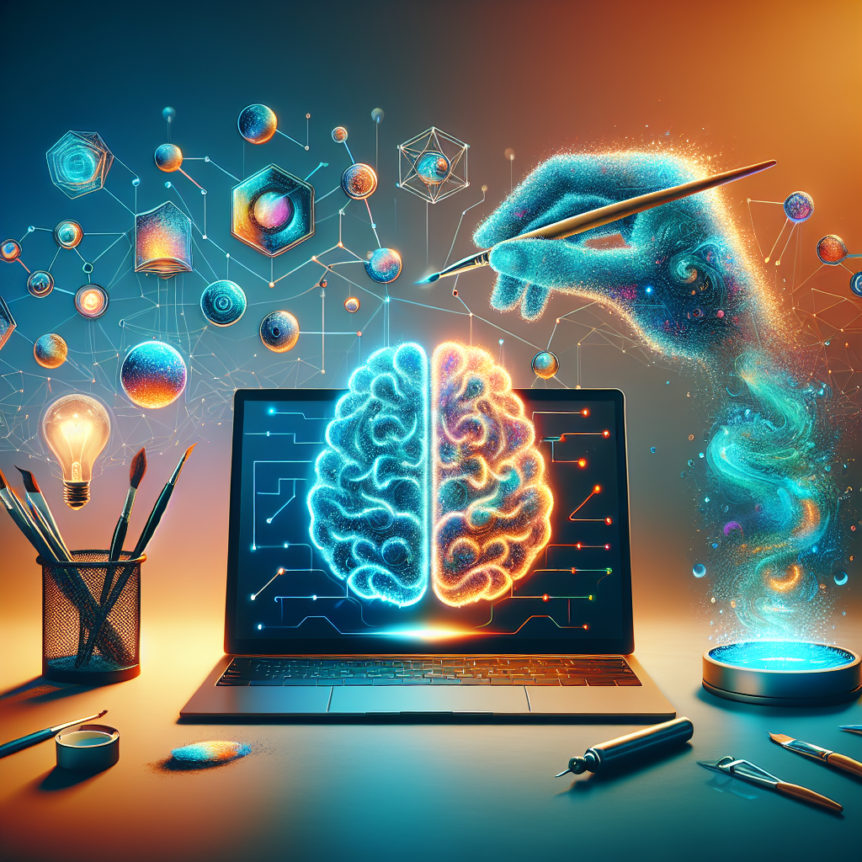
Generative AI for Content Creation: Benefits and Challenges
In the rapidly evolving digital landscape, generative AI has emerged as a groundbreaking tool for content creation. From crafting engaging blog posts to generating dynamic marketing copy, AI is reshaping how we approach content. But like any technological advancement, it comes with its own set of benefits and challenges. In this blog post, we will delve into the world of generative AI, exploring its advantages and the hurdles it presents.
Table of Contents
1. Introduction to Generative AI
2. Benefits of Using Generative AI for Content Creation
3. Challenges of Generative AI in Content Creation
4. How to Effectively Integrate AI into Your Content Strategy
5. Conclusion
6. FAQs

Introduction to Generative AI
Generative AI refers to artificial intelligence systems that can create content such as text, images, music, and more. These systems utilize deep learning algorithms to produce human-like outputs, often indistinguishable from those crafted by humans. As businesses and content creators strive to meet the ever-increasing demands for fresh content, generative AI offers a promising solution.
Benefits of Using Generative AI for Content Creation
1. Increased Efficiency
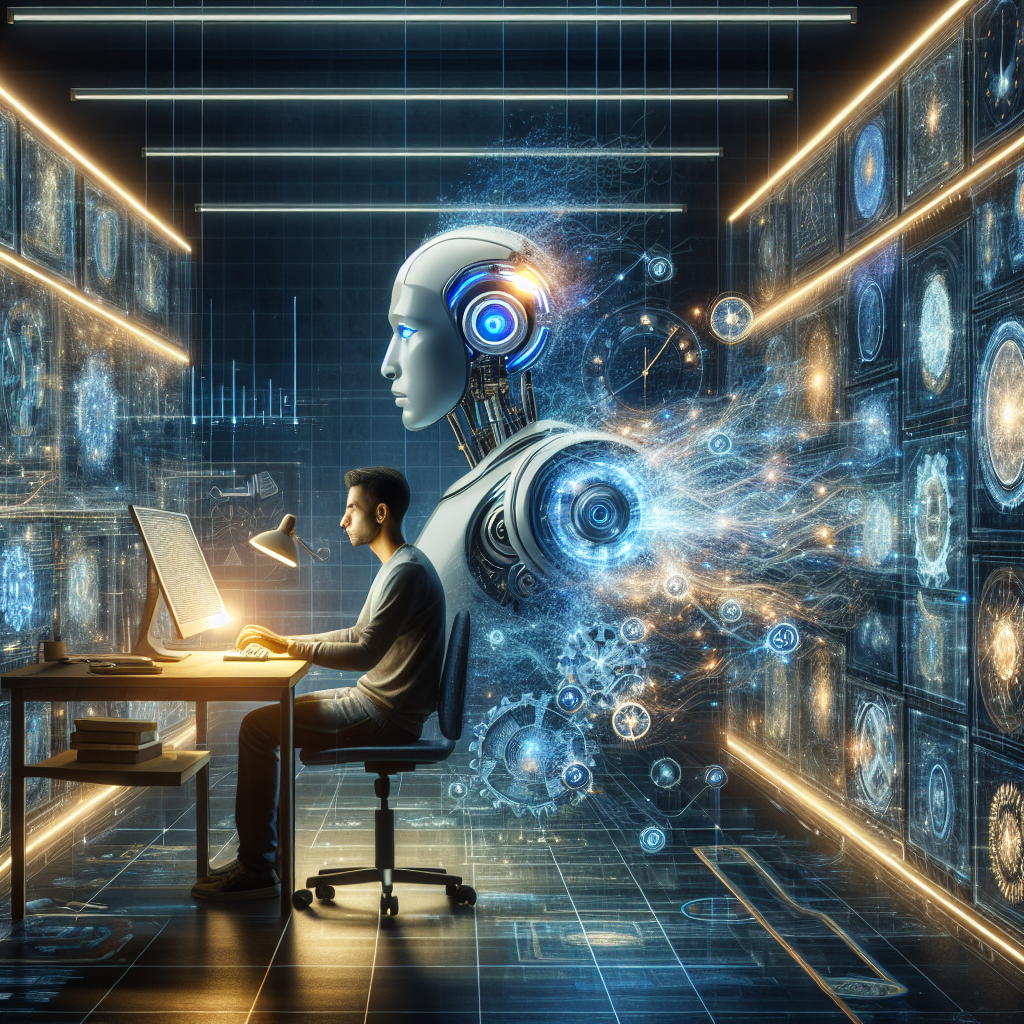
One of the most compelling benefits of generative AI is its ability to expedite the content creation process. Unlike humans, AI can work around the clock, generating content at a pace that is impossible for human writers to match. This increased efficiency allows businesses to scale their content efforts and maintain a consistent online presence.
2. Cost-Effectiveness
Hiring a team of writers and editors can be costly, especially for startups and small businesses. Generative AI provides a cost-effective alternative, reducing the need for large teams while still producing high-quality content. By leveraging AI, companies can allocate resources more strategically, investing in other areas of growth.
3. Personalization
With the ability to analyze vast amounts of data, generative AI can personalize content to suit different audience segments. Whether it’s tailoring marketing messages or customizing blog posts, AI ensures that content resonates with its intended audience, enhancing engagement and conversion rates.
4. Innovation and Creativity
Generative AI can push the boundaries of creativity, offering new perspectives and ideas that may not be immediately apparent to human creators. By providing unique angles and diverse content options, AI can enhance the creative process and inspire new directions.
Challenges of Generative AI in Content Creation
1. Quality Control
While AI excels at generating content quickly, maintaining quality remains a challenge. AI systems may produce content that lacks depth, coherence, or the nuanced understanding that human writers bring. As a result, human oversight is often necessary to ensure the content meets standards.
2. Ethical Concerns
The use of AI in content creation raises ethical questions, particularly around issues of authorship and originality. There is a risk of AI-generated content being misused, leading to misinformation or plagiarism. It’s crucial to establish ethical guidelines and transparency around AI-generated content.
3. Dependency on Data
Generative AI relies heavily on data to function effectively. Without high-quality, diverse data sets, AI systems may produce content that is biased or unrepresentative. Ensuring access to comprehensive data is essential for accurate and fair content generation.
4. Lack of Human Touch
Despite its capabilities, AI cannot replicate the emotional depth and empathy that human writers infuse into their work. The absence of a human touch can make AI-generated content feel impersonal, potentially impacting reader engagement.
How to Effectively Integrate AI into Your Content Strategy
Successfully integrating generative AI into your content strategy involves a balanced approach. Start by identifying areas where AI can add the most value, such as automating routine tasks or generating data-driven insights. Pair AI with human creativity to enhance content quality and ensure that there is always a human element involved in editing and finalizing the content. Regularly review and update your AI strategies to adapt to technological advancements and changing audience needs.
Conclusion
Generative AI presents exciting opportunities for content creation, offering benefits like increased efficiency, cost-effectiveness, and personalization. However, it also poses challenges such as quality control and ethical concerns. By understanding and addressing these challenges, businesses can harness the power of AI to create compelling, innovative content while maintaining a human touch.
FAQs
Q: Can generative AI replace human content creators?
A: While AI can significantly aid in content creation, it cannot fully replace the creativity, empathy, and nuanced understanding that human writers bring.
Q: How can businesses ensure quality in AI-generated content?
A: Implementing human oversight, regular quality checks, and refining AI algorithms can help maintain high standards in AI-generated content.
Q: Is AI-generated content ethical?
A: It can be, provided there is transparency about its use and it adheres to ethical guidelines, ensuring originality and accuracy.
Q: What types of content can AI generate?
A: AI can generate various types of content, including articles, social media posts, product descriptions, and even creative works like poetry and music.
Content Gorilla AI
Get started for as low as $1…
