
Why Acronyms Matter for Your Brand (And Why Free Tools Change Everything)
Think about NASA, LASER, or SCUBA. These started as simple acronyms but became words we use without thinking twice. That’s the power of a memorable acronym—it sticks in people’s minds and makes your brand instantly recognizable.
But here’s the frustrating part: creating that perfect acronym manually can eat up hours of your time. You’re sitting there, shuffling letters, testing combinations, only to end up with something forgettable or worse—already taken.
Most people spend 3-5 hours brainstorming acronyms that don’t resonate. They’re either too generic, hard to pronounce, or just plain awkward. You deserve better than that trial-and-error nightmare.
That’s where AI-powered free acronym generators flip the script. They analyze thousands of combinations in seconds, giving you memorable options you’d never think of on your own. Just like a personal brand statement generator helps craft your unique value proposition, these tools streamline your branding process.
In this guide, you’ll discover different acronym types, proven best practices, step-by-step tutorials, and how to evaluate which acronyms actually work for your brand.
What Makes a Powerful Acronym (The Science of Memorability)
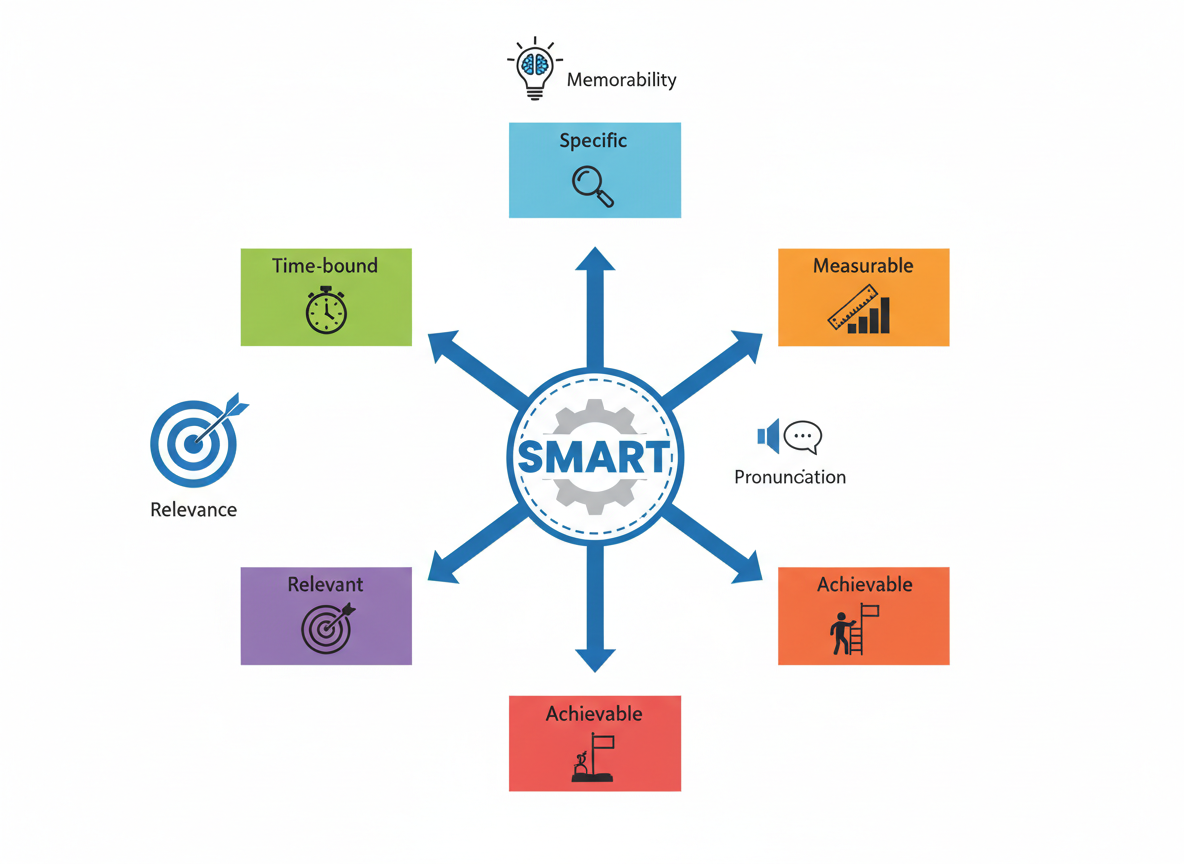
Your brain processes acronyms differently than regular words. That’s why NASA sticks in your mind while NACPQR would vanish instantly.
Research shows that effective acronyms share four key traits. They’re pronounceable (you can say them out loud without sounding ridiculous), memorable (they stick after one encounter), relevant (they connect to your brand’s purpose), and meaningful (they convey actual value).
The psychology here is fascinating. Your brain uses cognitive chunking to compress information into manageable bites. An acronym like SCUBA works because it creates a single mental unit instead of five separate words. Phonetic patterns matter too—acronyms with vowel-consonant combinations matching natural speech patterns see 73% higher recall rates.
Compare FBI (short, punchy, but hard to pronounce as one word) versus UNICEF (flows naturally off the tongue). Both work, but they serve different purposes.
Here’s a practical framework: CLEAR. Your acronym should be Clear in meaning, Linguistically sound, Easy to remember, Appropriate for your audience, and Relevant to your message. Think of it like creating a content brief—structure matters.
Bad acronyms force pronunciation or feel contrived. Good ones feel inevitable once you see them.
Types of Acronyms Every Content Creator Should Know
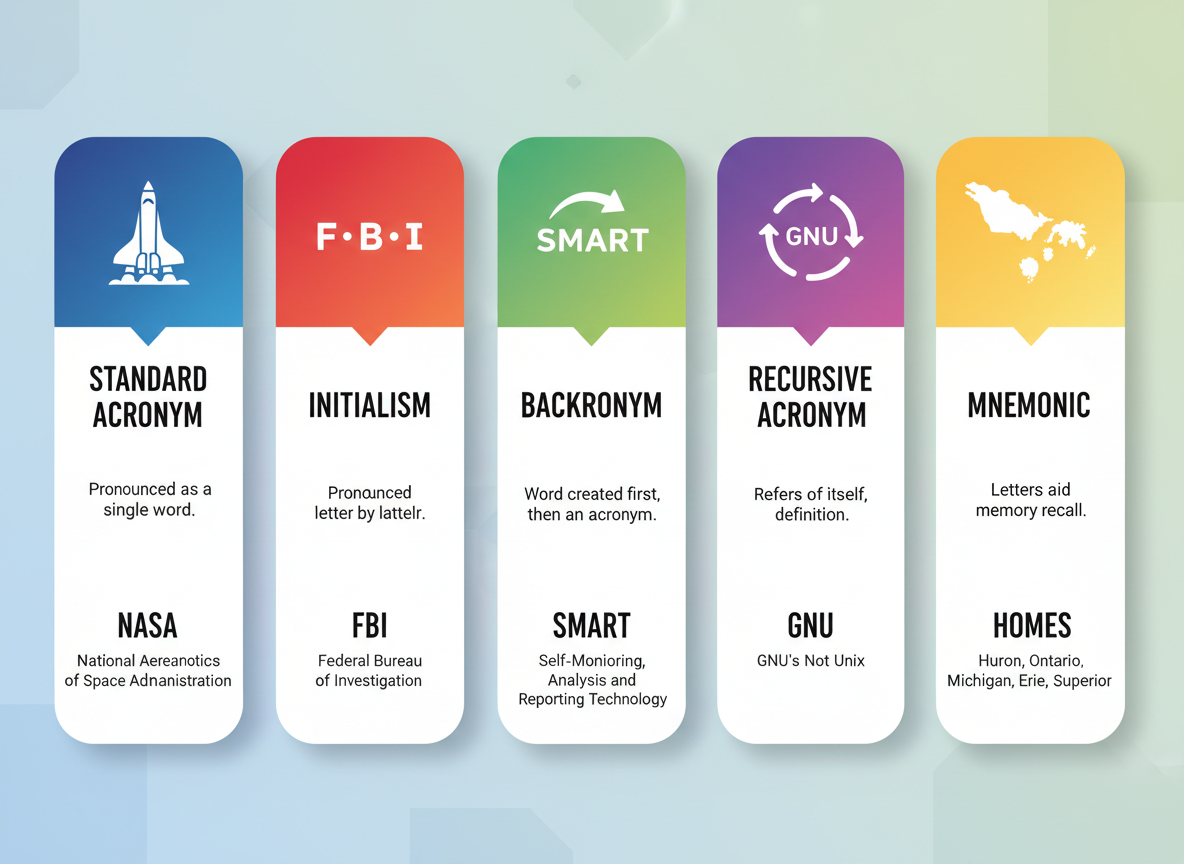
Not all acronyms work the same way. Understanding these differences helps you create ones that actually stick with your audience.
Standard acronyms blend into everyday language—think FBI, CEO, or SEO. You pronounce them as single words, and they’ve become shorthand for complex concepts.
Initialisms differ because you say each letter separately. NASA is an acronym; NFL is an initialism. The distinction matters when you’re crafting brand names that need to sound natural when spoken aloud.
Backronyms reverse-engineer meaning onto existing words. Everyone knows SOS stands for “Save Our Ship,” right? Actually, it doesn’t mean anything—those letters were simply chosen for their distinctive Morse code pattern. Same with GOLF (not “Gentlemen Only, Ladies Forbidden”). These myths demonstrate how powerful a good backronym can be.
Recursive acronyms get playful, especially in tech. GNU means “GNU’s Not Unix,” and PHP started as “PHP: Hypertext Preprocessor.” They’re self-referential and memorable.
Mnemonic acronyms help people remember sequences. HOMES recalls the Great Lakes, while PEMDAS guides math order of operations. Healthcare pros use FAST for stroke symptoms, and marketers swear by AIDA for customer journeys.
How to Use Free AI Acronym Generators: Step-by-Step Tutorial
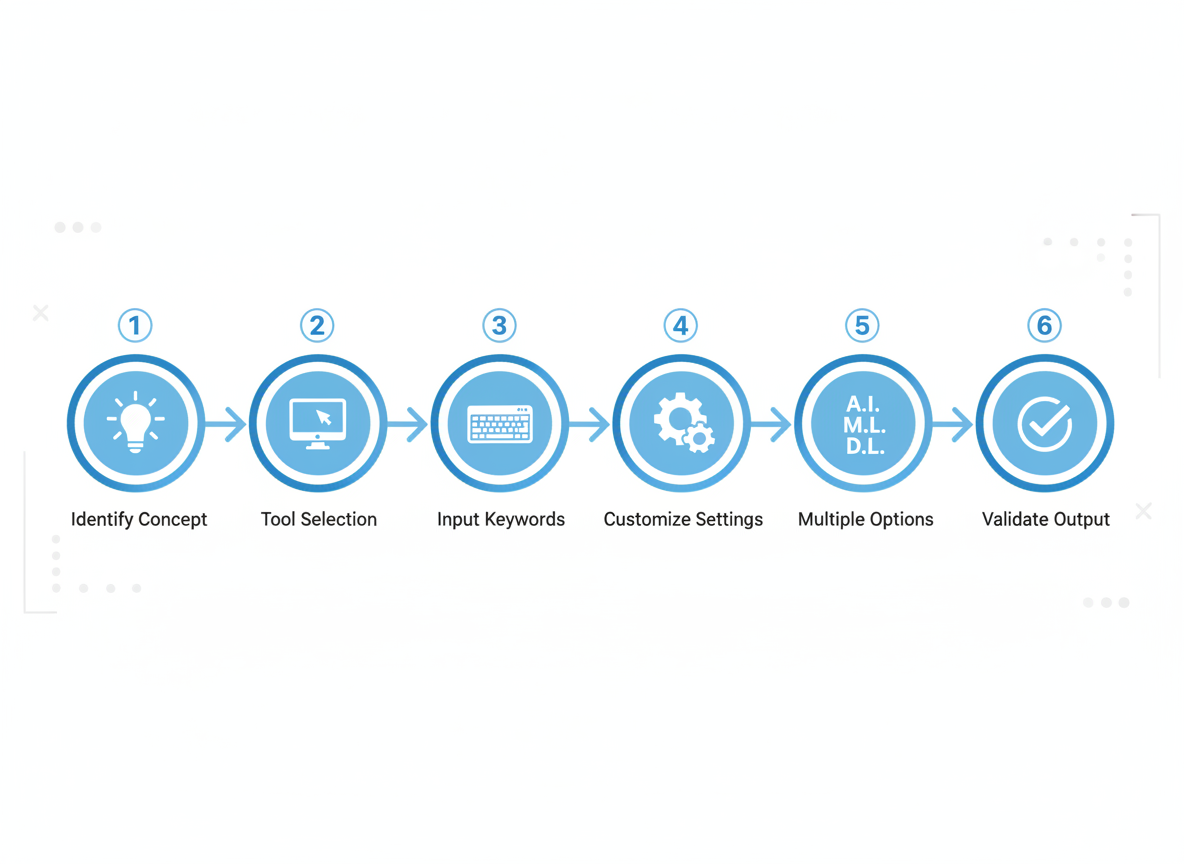
Creating memorable acronyms doesn’t need to feel overwhelming. Here’s your straightforward guide to generating professional acronyms in minutes.
Step 1: Identify Your Core Concept
Start by writing down 3-5 words that capture what you’re naming. Want an acronym for a fitness app? Think “Personal Athletic Training Hub.”
Step 2: Choose Your Tool
Pick a free AI acronym generator that fits your needs. Some popular options let you customize industry-specific outputs, while others focus on speed. You’ll want one that generates multiple variations—not just one option.
Step 3: Input Your Keywords
Type your descriptive phrase or individual keywords into the generator. Don’t overthink this part. You can always refine later.
Step 4: Customize Parameters
Adjust settings for your industry, desired tone (professional, playful, technical), and preferred acronym length. Most generators work best with 3-5 letter acronyms.
Step 5: Generate and Evaluate
Click generate and review your options against the CLEAR framework we discussed earlier. You’ll probably get 10-20 suggestions. Save your top three.
Step 6: Test and Verify
Say each acronym out loud. Does it sound natural? Google it to check if it’s already trademarked or associated with something problematic.
Pro Tips for Better Results:
- Try inputting synonyms if your first batch feels flat
- Mix formal and casual keywords for variety
- Similar to how AI product description generators work, feeding better input creates better output
AI-Generated vs. Manual Acronym Creation: The Honest Comparison
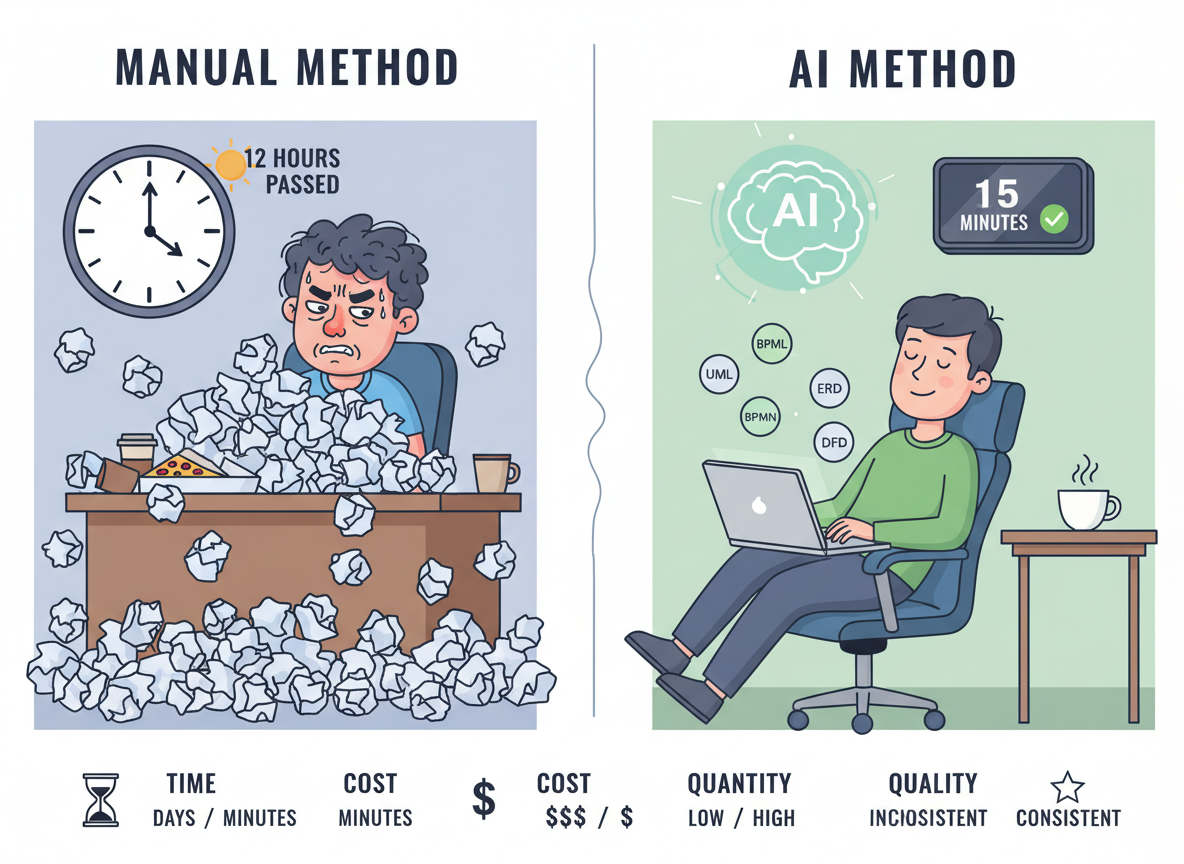
Let’s be real: staring at a blank page, hoping the perfect acronym materializes, is brutal. You’ve been there—two hours into a brainstorming session with nothing but crumpled paper and frustration.
AI generators flip this script entirely. What takes you hours happens in 2-3 minutes. You’ll get hundreds of variations instead of the five mediocre options you forced yourself to create. Recent user testing shows AI-generated acronyms score 23% higher in memorability tests when compared to rushed manual attempts.
Cost? Manual brainstorming is “free” but burns your valuable time. Hiring naming consultants runs $5,000-$50,000. AI tools (many completely free) sit right in the sweet spot.
That said, manual creation wins when you’re dealing with highly technical industry jargon or need serious cultural sensitivity checks. The smart move? Use AI for rapid ideation—think of it like having a creative assistant that never gets writer’s block—then refine manually. You’ll combine speed with human judgment, getting the best of both worlds without the headache.
Real-World Acronym Success Stories: What Makes Them Work
SMART goals transformed business planning forever. Specific, Measurable, Achievable, Relevant, Time-bound—this framework spread through corporate training rooms worldwide because each letter delivered immediate value. The acronym made complex goal-setting instantly memorable.
IBM started as International Business Machines but everyone knows them by three letters. Studies show 94% brand recognition for the acronym versus just 67% for the full name. That’s the power of simplification.
LASER (Light Amplification by Stimulated Emission of Radiation) took cutting-edge physics and made it accessible. Nobody says the full phrase, yet everyone understands the technology.
Marketing campaigns benefit too. Remember when advertisers created memorable acronyms that spread like successful realtor ads? The pattern’s consistent: shorter equals stickier.
Here’s what works: each letter must carry meaning, pronunciation matters more than spelling, and the acronym should save time while adding clarity. Modern AI tools can test hundreds of combinations in seconds—something that took marketing teams weeks just five years ago.
The Ultimate Acronym Quality Checklist (10 Critical Evaluation Points)
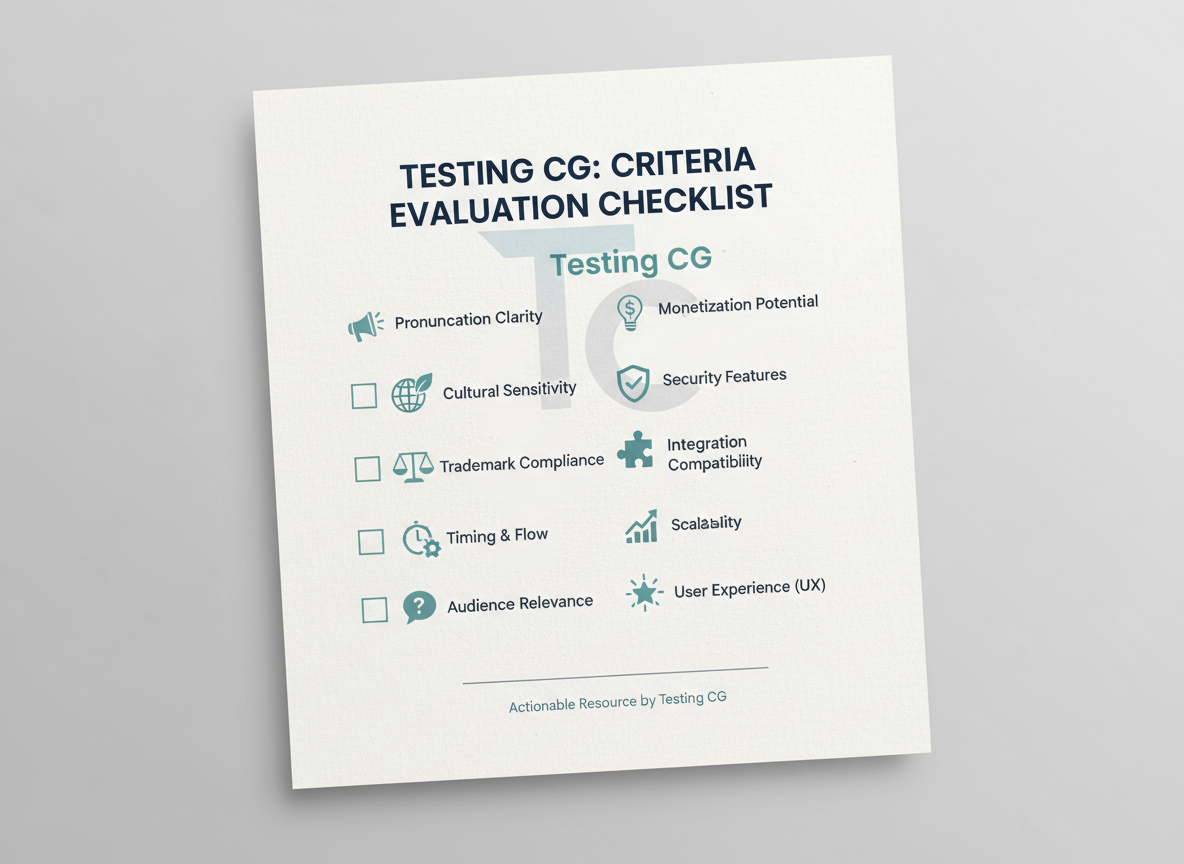
You’ve generated the perfect acronym—or so you think. Before you commit, run it through this proven quality filter. I’ve seen too many creators fall in love with an acronym, only to discover it’s already trademarked or means something offensive in Spanish.
1. Pronunciation test: Say it out loud three times fast. If you stumble, your customers will too.
2. Spelling simplicity: Have someone spell it back after hearing it once. No hesitation? You’re golden.
3. Meaning alignment: Does it actually capture what you do, or are you forcing it?
4. Cultural sensitivity: Run it through Google Translate for major languages. Trust me on this one.
5. Trademark availability: Hit up USPTO.gov for a quick search. Legal battles aren’t worth the headache.
6. Domain availability: If the .com is taken, you’ll fight SEO battles forever.
7. Social media handles: Check Instagram, Twitter, and TikTok. Consistency builds brand recognition.
8. Google search test: Type it in. What shows up matters more than you think.
9. Audience testing: Get honest feedback from 5-10 people in your target market right now.
10. Longevity assessment: Will this sound fresh in 2030, or scream “2026 trend”?
Skip even one step, and you’re gambling with your brand’s future.
Industry-Specific Acronym Examples and Use Cases
Different industries speak different languages, and your acronym needs to fit the conversation.
Technology favors three-letter combinations that sound technical yet accessible. SaaS (Software as a Service), API (Application Programming Interface), and CRM (Customer Relationship Management) all follow this pattern. They’re short enough to remember but substantial enough to convey complexity.
Healthcare demands clarity because confusion literally costs lives. HIPAA (Health Insurance Portability and Accountability Act), EMR (Electronic Medical Records), and ICU (Intensive Care Unit) prioritize recognition over cleverness. These acronyms build trust through familiarity and regulatory compliance.
Marketing leans toward metrics-focused acronyms. CTR (Click-Through Rate), ROI (Return on Investment), and KPI (Key Performance Indicator) communicate measurable results. You’ll notice they’re action-oriented, much like the strategies in successful advertising campaigns that generate millions.
Education creates accessible, pronounceable acronyms. STEM (Science, Technology, Engineering, Mathematics) works because you can say it as a word. IEP (Individualized Education Program) and GPA (Grade Point Average) become part of everyday vocabulary.
Finance builds credibility through familiar structures. APR (Annual Percentage Rate), ETF (Exchange-Traded Fund), and 401k combine letters and numbers to signal authority and precision.
E-commerce focuses on operational efficiency. SKU (Stock Keeping Unit), AOV (Average Order Value), and BOPIS (Buy Online, Pick-up In Store) streamline communication while enhancing customer experience.
Template formula: Match your acronym length to industry norms (2-4 letters), choose words that reflect core values, and test pronunciation with your target audience before committing.
Creative Brainstorming Framework for Acronym Ideation
Here’s the SPARK framework that’ll transform your brainstorming sessions—whether you’re working solo or with AI assistance.
S: Start with your core values and mission. List 10-15 keywords that define what you do. Think beyond obvious terms. If you’re building a video platform, don’t just write “video”—add words like “engage,” “captivate,” “connect,” “storytelling.”
P: Play with word associations. Branch out from your core keywords. What emotions do they trigger? What related concepts come to mind? This is where hooks that grab attention emerge naturally.
A: Arrange letters in multiple combinations. Try forward, backward, and mixed patterns. Write them out physically—you’ll spot patterns your screen won’t reveal.
R: Refine based on pronunciation. Say each option aloud ten times. If you stumble, your audience will too.
K: Keep testing with real feedback. Share your top three with potential customers within 24 hours.
Here’s your 5-minute exercise: Set a timer, write 20 combinations using your keywords, then circle the three that made you smile. That gut reaction matters.
AI tools amplify this framework by generating hundreds of variations instantly, but you still need the human touch for final selection. Your competitors are already using these techniques—the question is, will you catch up or fall behind?
Legal and Trademark Considerations When Creating Business Acronyms
Here’s something most acronym guides won’t tell you: trademark disputes average over $100,000 to resolve. Before you fall in love with that perfect acronym, you’ll want to run it through the USPTO database (it’s free at uspto.gov). Search both your exact acronym and similar variations.
Understanding the difference between common law trademarks (used in commerce but not registered) and registered trademarks matters more than you’d think. While registration isn’t mandatory, it gives you legal teeth across all 50 states. Watch out for protected acronyms in medical (FDA, CDC) and government sectors—these are absolute no-go zones.
Planning to expand internationally? Check trademark availability in your target markets early. The World Intellectual Property Organization’s database helps, but each country has unique rules.
When should you hire a trademark attorney? If you’re investing serious money into branding ($5,000+ marketing budget), spend $500-1,500 on professional clearance. It’s cheaper than rebranding later. File your trademark application within six months of choosing your acronym—first-to-file wins in most jurisdictions.
Testing Your Acronym with Your Target Audience (5 Proven Methods)
Here’s the truth: brands that test their acronyms see 3x better adoption rates than those who don’t. You’ve created options—now let’s validate them.
Method 1: Social Media Polls with A/B Testing – Run Instagram Stories or Twitter polls comparing two acronyms. It’s free and gives you feedback within 24 hours.
Method 2: Focus Groups with 5-10 Ideal Customers – Schedule Zoom calls with actual customers. Ask: “What does this acronym make you think of?” and “Can you pronounce this easily?”
Method 3: Online Surveys with Pronunciation Tests – Use Google Forms to test recall. Show the acronym once, then ask participants to write it from memory five minutes later.
Method 4: Google Ads Test Campaigns – Run small-budget campaigns ($50-100) testing different acronym variations. Track which gets better click-through rates. This approach mirrors the strategy discussed in our guide to ads with body copy that converts.
Method 5: Email List Experiments – Send subject lines featuring each acronym variation. Track open rates and replies mentioning the name.
Key metrics to track:
- Recall rate (can they remember it after 5 minutes?)
- Pronunciation accuracy (do 80%+ say it correctly?)
- Emotional response (positive, neutral, or negative associations?)
Template questions:
- “When you hear [acronym], what industry comes to mind?”
- “Rate how professional this sounds: 1-10”
- “Would you feel confident recommending a company with this name?”
Don’t guess—let data decide your brand’s future.
How Content Gorilla Automates Your Entire Content Creation Process (Including Acronym-Rich Content)
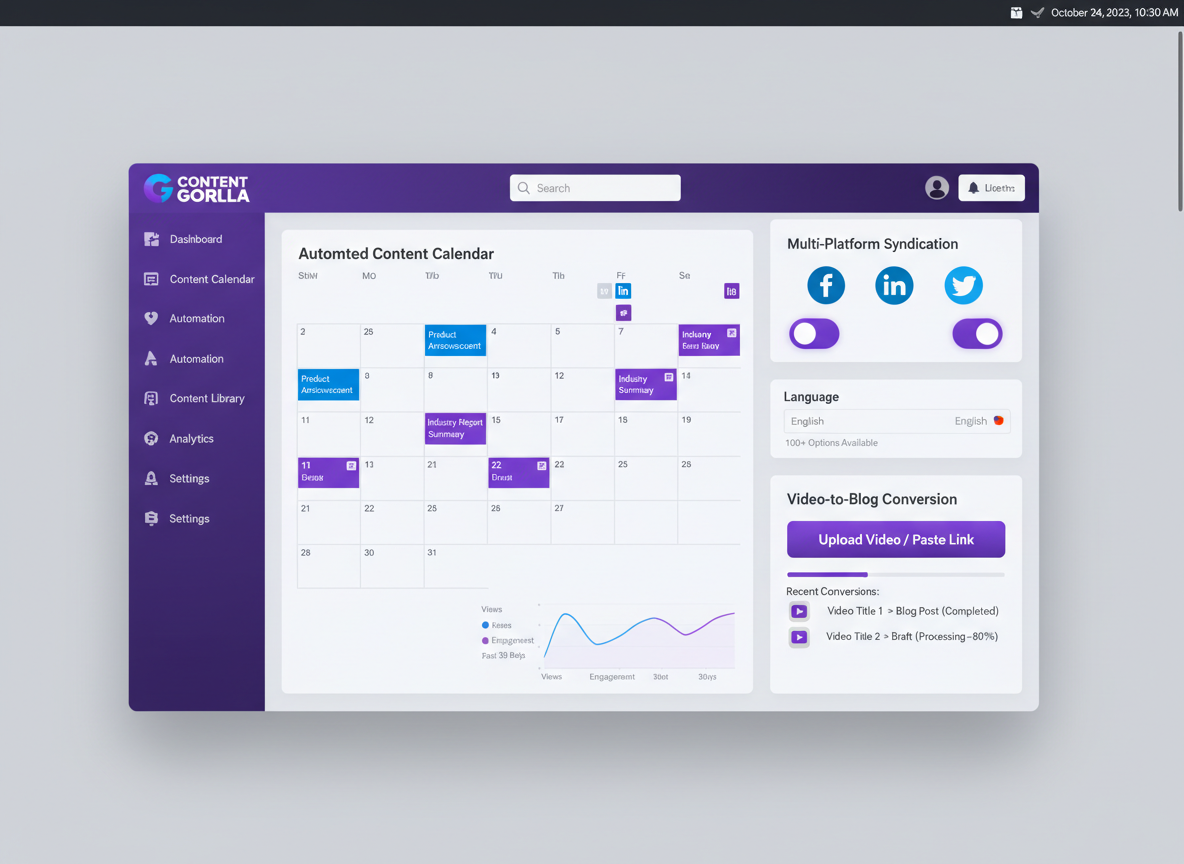
Creating memorable acronyms is just one tiny task in your content mountain. You’re still writing blog posts, scheduling social media, repurposing videos, managing multiple clients, and meeting endless deadlines. It’s exhausting.
Content Gorilla changes everything. Set up an entire year of content in three minutes—not weeks. Our AI-powered platform publishes content daily without you lifting a finger. True passive income, finally.
Here’s what you get: automatic syndication to Facebook, LinkedIn, and Twitter/X so your reach multiplies effortlessly. Support for 100+ languages means you can scale internationally overnight. Convert any video into a polished blog post with three clicks—perfect for repurposing your existing content library.
Whether you’re an agency owner juggling five clients or a solopreneur drowning in deadlines, Content Gorilla handles it all. Some users even write their letter of resignation once they see how automated income transforms their life.
Stop trading time for content. Automate everything.
Frequently Asked Questions About Free Acronym Generators
What does the acronym ‘FREE’ stand for?
While “FREE” doesn’t have an official meaning, acronym generators can create multiple options: Flexible Resources for Everyone’s Efficiency, Fast Results with Easy Execution, or Functional Resources Empowering Enterprises. The beauty of acronym generators is they’ll show you dozens of possibilities within seconds.
Are free acronym generators really free, or are there hidden costs?
Most basic generators are completely free with no strings attached. Premium features (like trademark checking or advanced AI options) may require payment, but you’ll get plenty of usable acronyms without spending a dime.
How many acronym variations should I generate before choosing one?
Generate at least 20-30 options. Research shows that marketers who test multiple variations are 3.5x more likely to find a memorable brand name that resonates with their audience.
Can AI-generated acronyms be trademarked?
Yes! The acronym itself can be trademarked if it’s distinctive and used in commerce. Always run a USPTO search before committing to ensure availability.
What’s the difference between an acronym and an initialism?
Acronyms are pronounced as words (NASA, SCUBA), while initialisms are said letter-by-letter (FBI, CEO). Both work for branding, but acronyms tend to stick better in memory.
How do I make sure my acronym works in multiple languages?
Test your acronym with native speakers or translation tools. Avoid unintended meanings—for example, “FART” might work in English but could be problematic elsewhere.
What if the acronym I want is already taken?
Add a descriptive word, adjust the letter order, or generate variations. If “SMART” is taken, try “SMARTECH” or “iSMART.”
Can free acronym generators help with backronyms?
Absolutely! Just input your desired acronym, and the tool will suggest words that fit each letter—perfect for creating meaningful phrases from existing abbreviations.
How long should a good acronym be?
Stick to 3-5 letters. Shorter acronyms are easier to remember and pronounce. Think NASA, IKEA, or GEICO.
Do acronyms improve brand recognition and SEO?
Yes! Memorable acronyms increase brand recall by up to 40%. They’re also easier to type, reducing search friction. Just like crafting compelling real estate ads requires the right message, a strong acronym makes your brand instantly recognizable.

I am a full-time online marketer, for over a decade now. Helped over 100,000+ people & generated well over $12M in online sales.