
AI Rewrite Content: Transforming Text with Technology
In the ever-evolving digital landscape, technology continues to redefine how we create and consume content. One of the most groundbreaking advancements in recent years is the use of artificial intelligence (AI) to rewrite and transform text. This blog post delves into how AI is revolutionizing content creation, its benefits, challenges, and future potential. Whether you’re a content creator, marketer, or tech enthusiast, understanding AI’s role in rewriting content is crucial for staying ahead in the digital age.
Table of Contents
1. Introduction
2. What is AI Rewrite Content?
3. Benefits of AI in Content Rewriting
4. Challenges and Limitations
5. The Future of AI in Content Creation
6. Conclusion
7. FAQs
What is AI Rewrite Content?
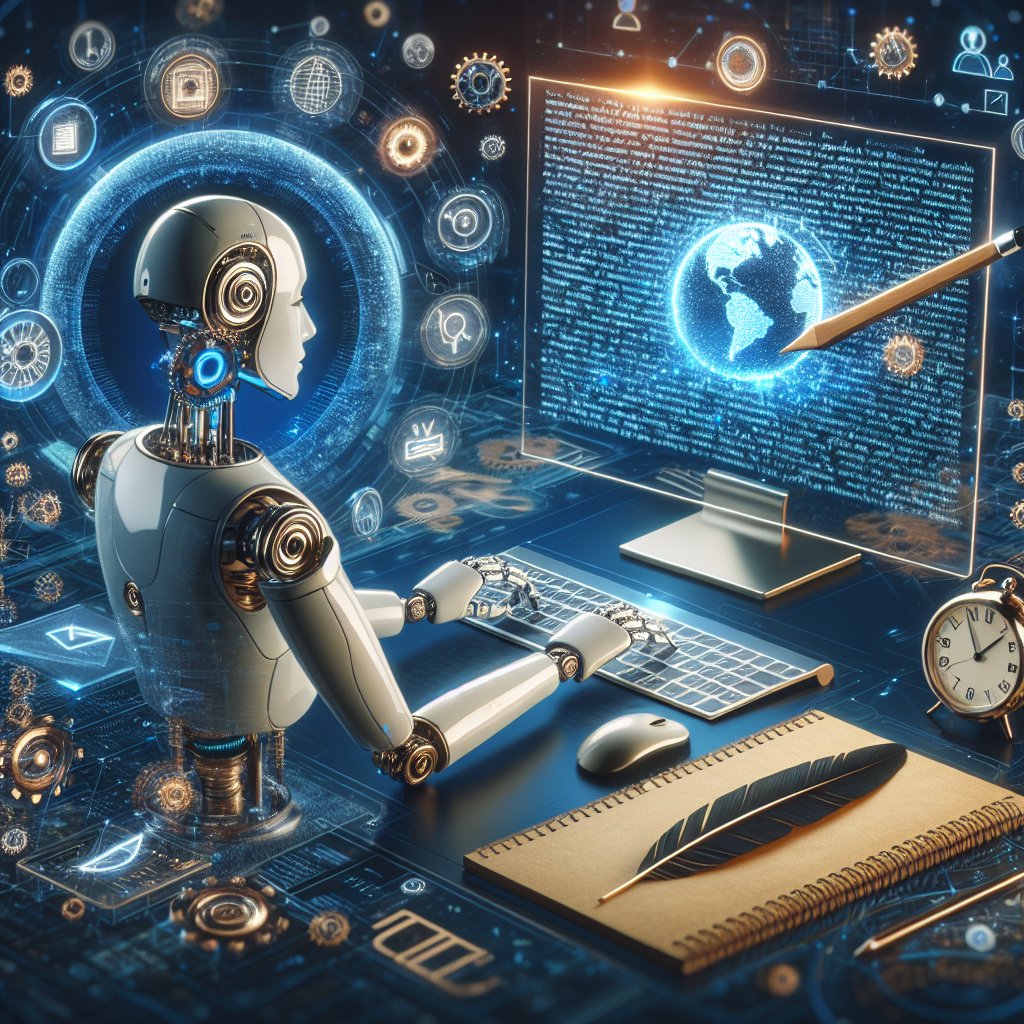
AI rewrite content involves using artificial intelligence algorithms to modify and improve existing text. This technology leverages natural language processing (NLP) and machine learning to understand and generate human-like text. By analyzing the structure, tone, and context of the original content, AI tools can produce rewritten versions that maintain the original meaning while enhancing readability and engagement.
AI content rewriting tools are designed to save time and resources for businesses and individuals. They can effortlessly transform a simple draft into polished copy, making them invaluable for tasks like updating outdated content, creating new articles from existing material, or even localizing content for different audiences.
Benefits of AI in Content Rewriting
AI’s impact on content rewriting is profound, offering numerous advantages:
Efficiency and Speed
AI tools can rapidly process large volumes of text, generating rewritten content in a fraction of the time it would take a human. This efficiency allows businesses to scale their content production efforts significantly.
Consistency and Quality
AI ensures consistent tone and style across all rewritten content. This uniformity is particularly beneficial for brands that need to maintain a specific voice across multiple platforms and channels.
Cost-Effective
By reducing the need for extensive human intervention, AI can lower content creation costs, making it accessible to smaller businesses or startups with limited budgets.
Accessibility
AI rewriting tools often come with features that enhance accessibility, such as generating content in multiple languages or formats, thus broadening the reach of your message.
Challenges and Limitations
While AI rewriting offers significant benefits, it is not without challenges:
Lack of Creativity
AI excels at processing and reorganizing information, but it lacks the human touch of creativity and emotional intelligence. This limitation can result in content that feels mechanical or lacks depth.
Contextual Understanding
Despite advancements, AI still struggles with understanding nuanced context, which can lead to misinterpretations or inappropriate rewrites, especially in sensitive or complex topics.
Dependency on Quality Input
The effectiveness of AI rewriting is heavily dependent on the quality of the original content. Poorly written input can lead to subpar rewritten outputs, necessitating careful oversight.
Ethical Considerations
There are ethical concerns regarding AI-generated content, particularly around issues of authorship and originality. Ensuring transparency in AI use is essential to maintain trust with audiences.
The Future of AI in Content Creation
The future of AI in content creation is bright, with continuous improvements in technology promising even more sophisticated tools. Here are some trends to watch:
Enhanced Personalization
AI will likely become more adept at personalizing content, tailoring it to individual preferences and behaviors, thus increasing engagement and conversion rates.
Integration with Other Technologies
As AI integrates with other emerging technologies like augmented reality (AR) and virtual reality (VR), we can expect more immersive and interactive content experiences.
Ethical AI Development
As awareness of the ethical implications of AI grows, developers will focus on creating tools that are transparent, fair, and accountable, ensuring AI serves as a positive force in content creation.
Conclusion
AI rewriting technology is transforming the way we approach content creation, offering unprecedented efficiency and versatility. While challenges remain, the potential of AI to reshape the digital content landscape is undeniable. By embracing these tools responsibly, businesses and creators can unlock new possibilities for engaging and impactful communication.
FAQs
Q: Can AI completely replace human writers?
A: While AI can assist in generating and rewriting content, it lacks the creative and emotional intelligence of a human writer. It is best used as a tool to complement human creativity.
Q: Is AI-rewritten content SEO-friendly?
A: Yes, AI tools are often designed to optimize content for search engines, ensuring that rewritten text includes relevant keywords and adheres to SEO best practices.
Q: How can I ensure the quality of AI-rewritten content?
A: To ensure quality, always review and edit AI-generated content. Providing high-quality input and setting clear parameters can also enhance the output.
Q: Are there free AI rewriting tools available?
A: Yes, there are several free AI rewriting tools available online, although paid versions usually offer more advanced features and better quality outputs.
Content Gorilla AI
Get started for as low as $1…
